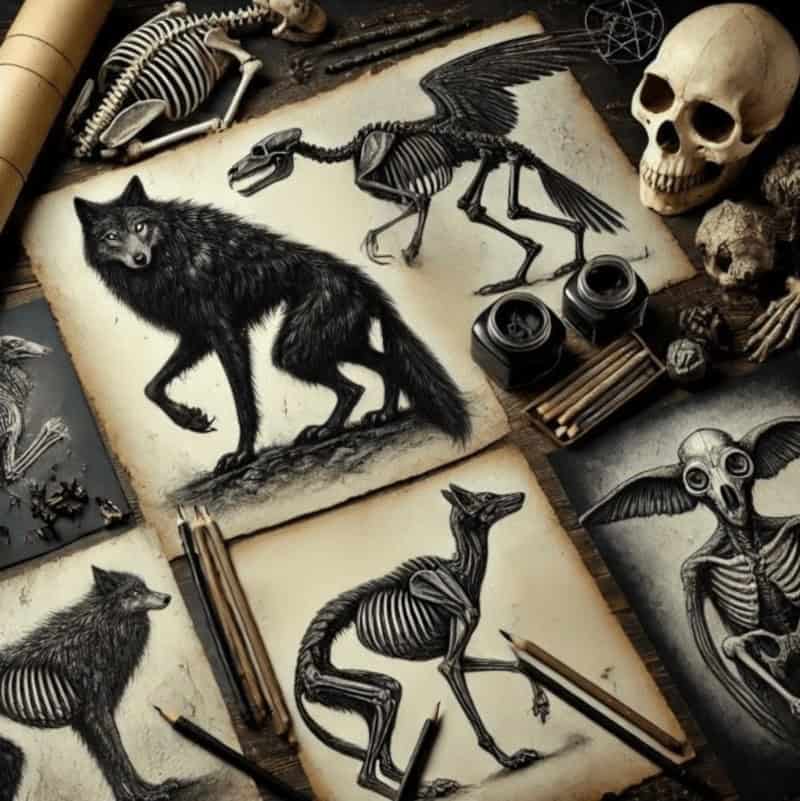
Understanding basic animal anatomy for drawing is crucial for creating creatures that are realistic, eerie, or full-on nightmare fuel. Whether you’re sketching ghostly wolves, twisted skeletal beasts, or abominations that should probably stay in the shadows, mastering proportions and skeletal structures will bring your creations to life (or un-life).
This guide will break down the essentials, covering everything from standard animal proportions to the skeletal frameworks that support them (or barely hold them together if you’re going for that unsettling, barely-functional horror look). If you ever wondered how to transform a fluffy bunny into something that lurks under the bed, you’ve come to the right place.
1. Animal proportions – Building a foundation
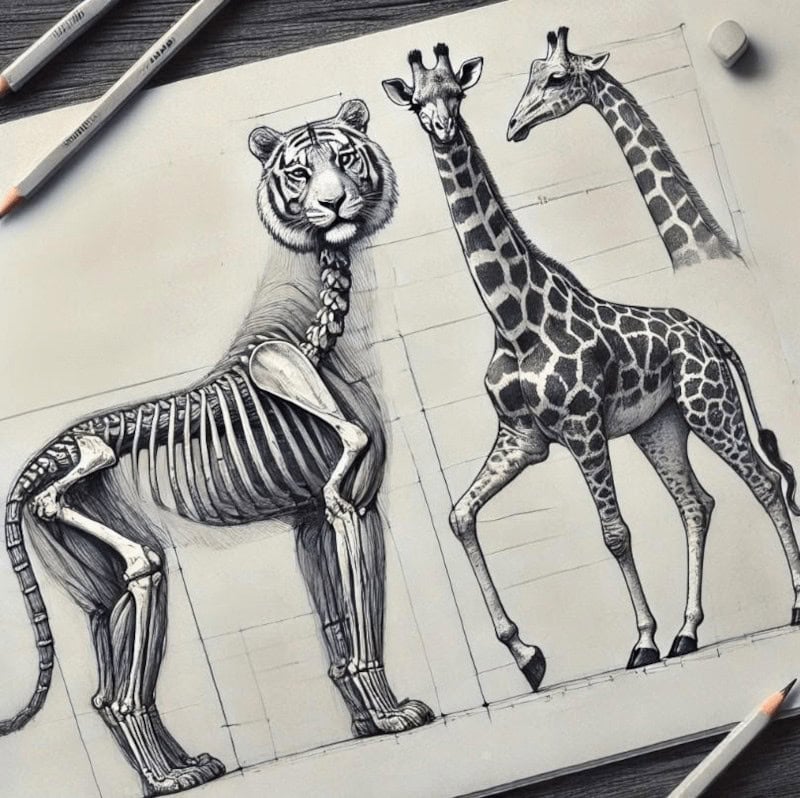
Every creature, no matter how monstrous, starts with structure.
- Learn the core shapes that form different animals – canines, felines, reptiles, birds, and whatever lurks under your bed.
- Proportional guidelines: how body parts relate to each other in common animal types – before you start breaking those rules for horror.
- How proportions change when designing horror creatures (elongated limbs, exaggerated skulls, or the ever-popular way too many legs aesthetic).
2. Skeletal Structures – creating a framework
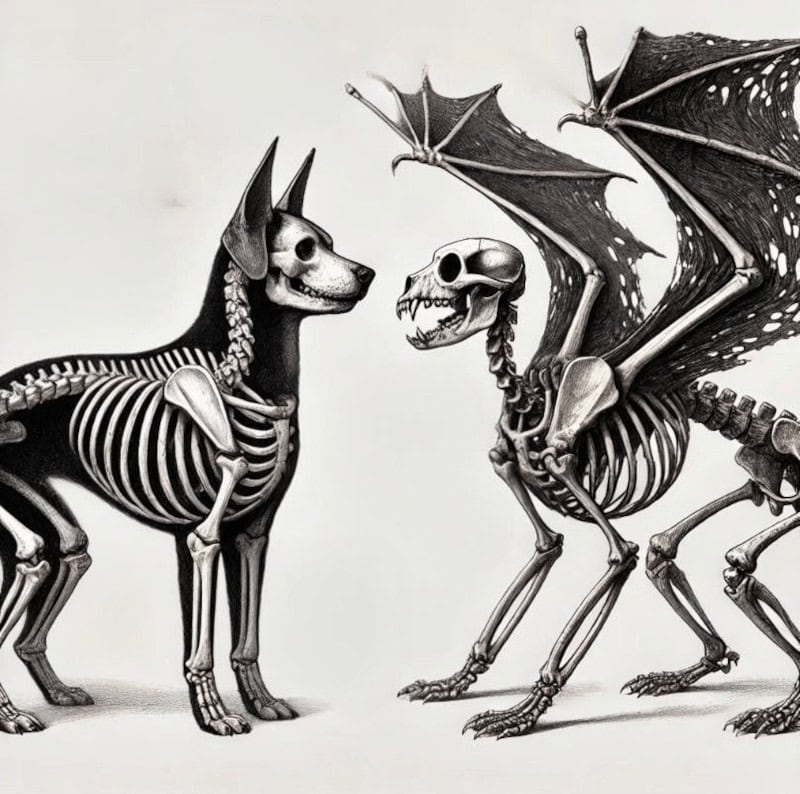
Because even the most horrifying creatures need some structural integrity.
- Get familiar with key bones: skull, spine, rib cage, limbs, and joints.
- Learn how to manipulate skeletons for horror: fuse bones, distort limbs, or add just enough unnatural bends to make your viewer uncomfortable.
3. Muscles & surface form – bringing structure to life
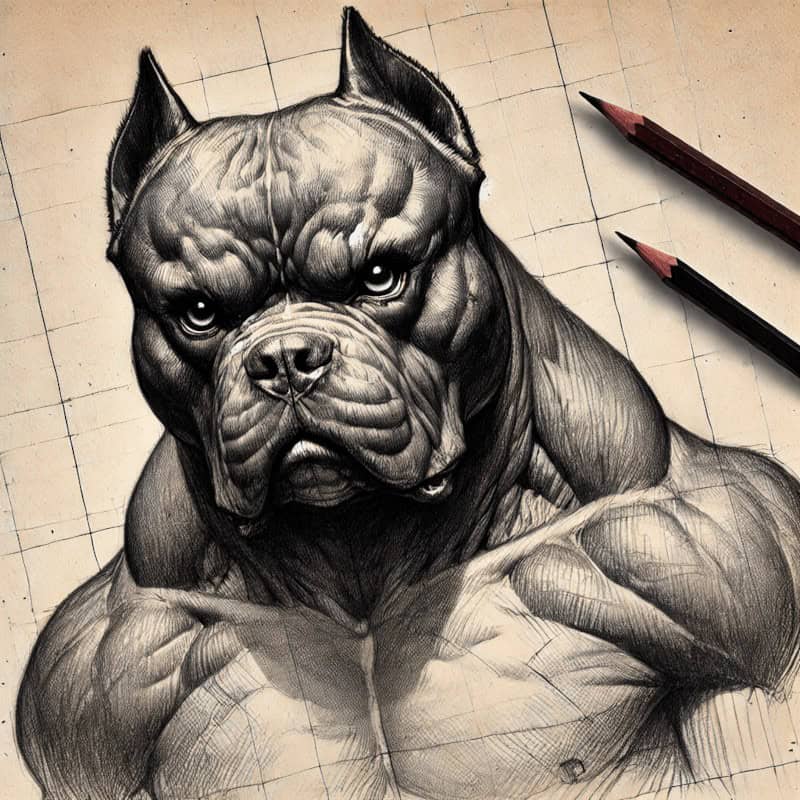
A creature that looks terrifying but moves like a broken marionette? It’s not quite the effect we want.
- Understand muscle groups and how they create motion, even when motion shouldn’t be possible.
- Explore how skin and fur stretch over muscles (or fail to, if you’re going for a skeletal horror look).
- Add movement tension – whether it’s a slow, creeping stalk or a full-blown something is coming for me sprint.
4. Simplifying animal anatomy for horror drawing
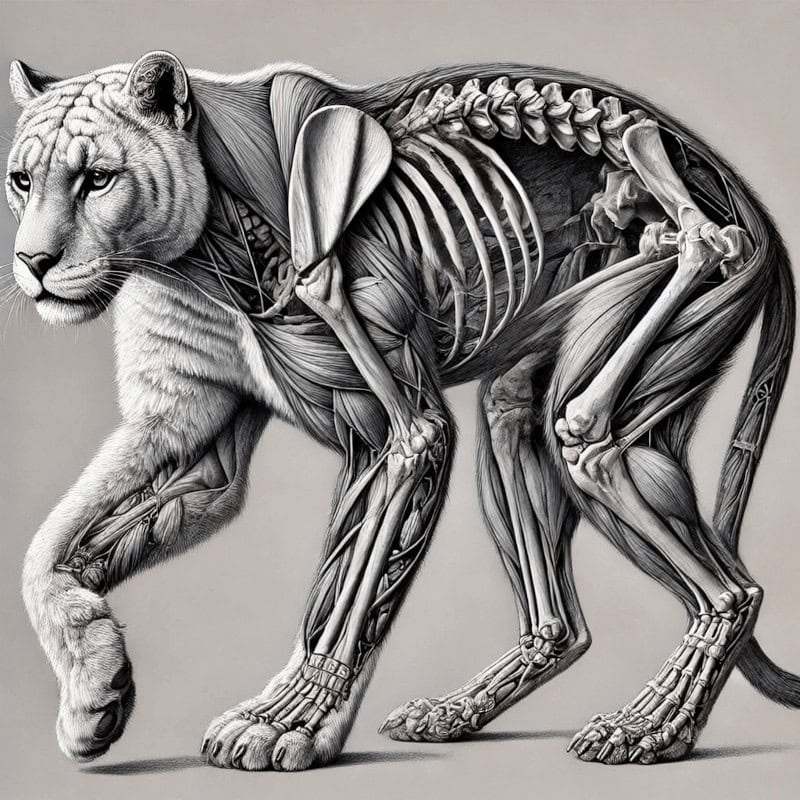
Breaking complex forms into digestible chunks before warping them into nightmare fuel.
- Reduce animals to basic geometric shapes to sketch a strong foundation.
- A step-by-step method to build an animal skeleton, then add muscle and details.
- Master the art of exaggeration – pushing proportions to make creatures feel unsettling without going full cartoon villain.
5. Horror Adaptations – making things unsettling
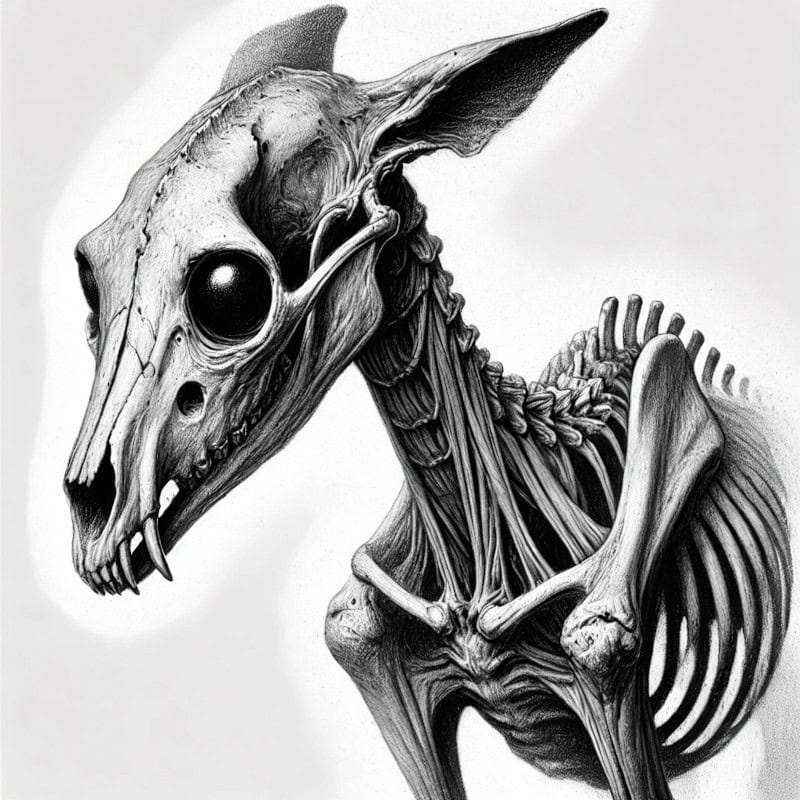
Sometimes, the scariest creatures are the ones that feel almost normal… but not quite.
- Learn techniques for making regular animals look unnerving without losing believability.
- Experiment with stretching, distorting, or subtly breaking proportions to trigger the uncanny valley effect.
- Add unnatural elements like extra limbs, hollow eyes, or elongated skulls – because if one set of eyes staring at you is creepy, three is even better.
Conclusion
Mastering animal anatomy is the key to creating creatures that are both convincing and unsettling. Once you understand the rules, you can start breaking them in ways that transform a normal animal into something that should not exist.
So keep experimenting, push the limits of form, and embrace the eerie. Because the best monsters are the ones that make people stop and think: ” I don’t know what that is, but I never want to meet it in a dark alley.”