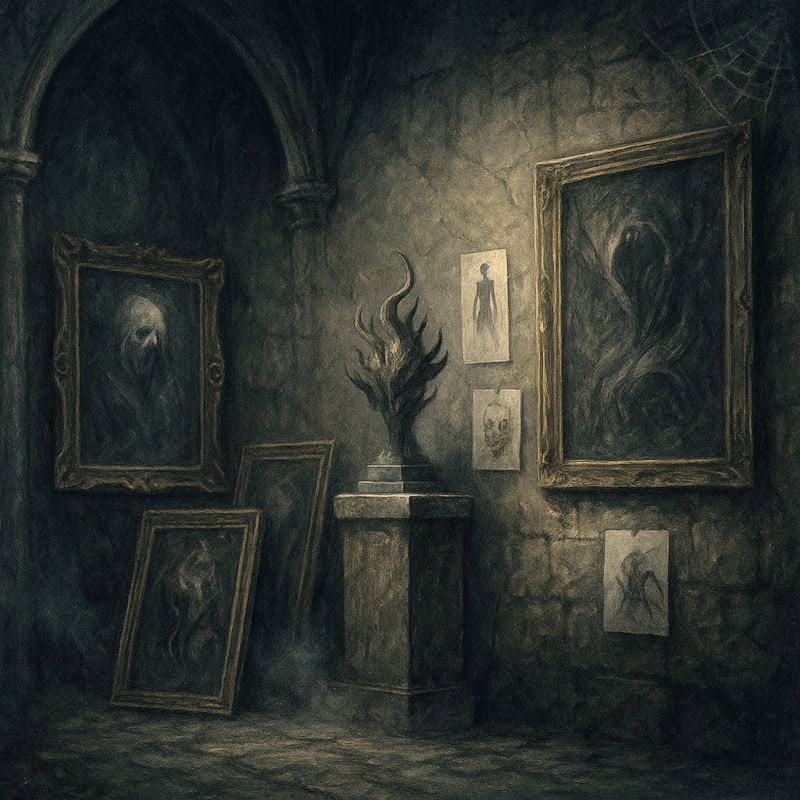
Where Nightmares Become Masterpieces.
Welcome to the shadowed halls of Dreaded Designs, where we pay tribute to dark and macabre artists – twisted geniuses who dared to turn darkness into art. The world of horror isn’t just built on jump scares and creepy creatures; it’s shaped by visionary artists who explored fear, the unknown, and the beautifully grotesque.
In this guide, we’ll explore how dark and macabre artists shaped the eerie visuals we love today, and how their influence can inspire your own horror creations. Whether you’re seeking inspiration for your next eerie creation or fascinated by how fear can be transformed into visual poetry, you’re in the right place (or… the wrong place, depending on how easily you scare).
1. Famous horror artists and their influence on modern horror art
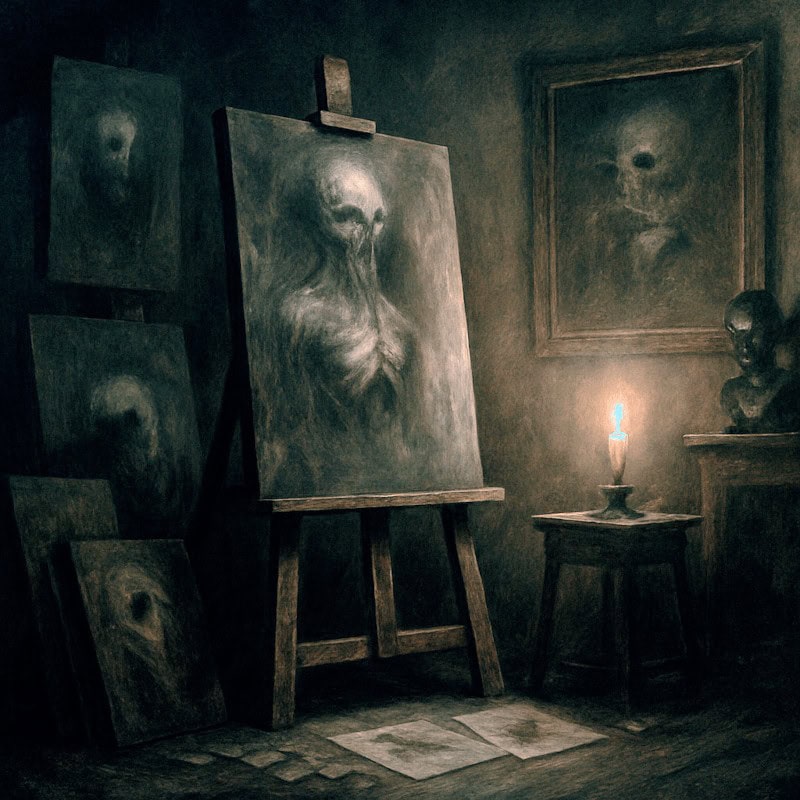
Ever wondered whose twisted imagination paved the way for today’s horror aesthetics? In this post, we explore legendary horror artists whose works continue to inspire movies, games, and dark art across the globe. Discover how their haunting styles evolved and how you can channel their influence into your creations.
These aren’t just names in dusty art books – they’re the architects of unease. You’ll see how their eerie brushstrokes and chilling concepts echo through everything from creature design to atmospheric environments. Understanding their methods gives you insight into crafting your own visually unsettling masterpieces.
Want to see how these ideas evolved into the horror we recognise today?
Explore Famous Horror Artists and Their Influence on Modern Horror Art to break down the techniques behind atmosphere, distortion, and symbolism and how you can use them in your own work.
Because horror does not happen by accident, it’s built.
2. Zdzisław Beksiński: The king of nightmare surrealism
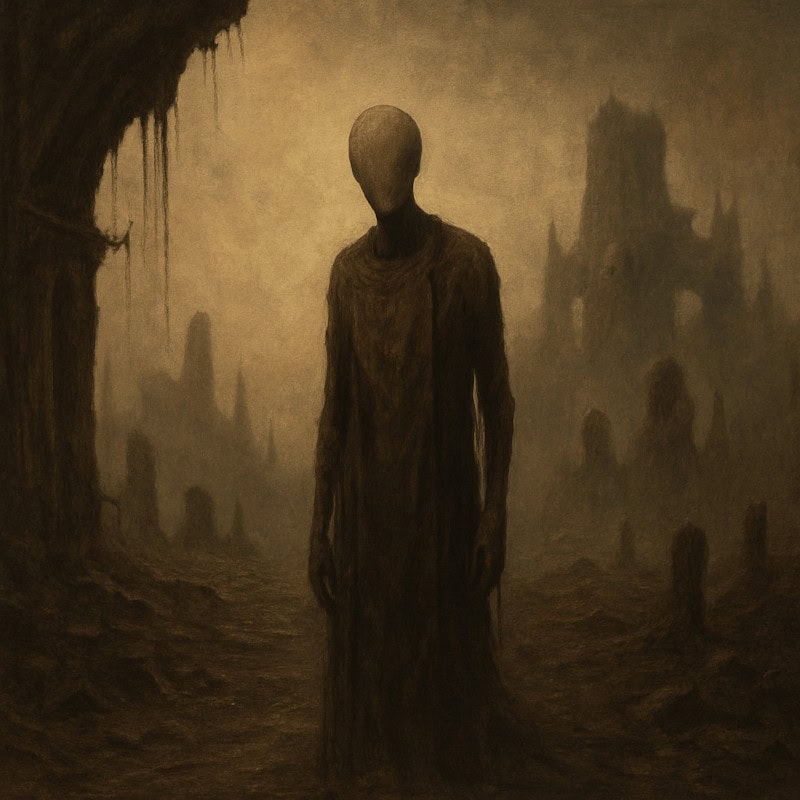
Step into the haunting, dystopian worlds of Beksiński – a man who painted nightmares without ever needing a monster under the bed. This post dives into his eerie landscapes, faceless figures, and the unsettling beauty of his “dreamlike” horrors. Perfect inspiration for anyone wanting to master surreal terror in their artwork.
We’ll peel back the layers of his mysterious process (as much as anyone can) and show how his use of texture, ambiguity, and atmosphere creates fear without a single drop of blood. If you’ve ever wanted to make viewers uneasy without obvious horror clichés, Beksiński is your dark muse.
If you’re ready to explore the haunting, dreamlike worlds that defined his work, step into Zdzisław Beksiński: Painting the Beauty of Desolation. In this post, we break down what makes his dystopian landscapes so powerful, how he creates fear through atmosphere and ambiguity, and how you can apply those same techniques to your own dark art without relying on obvious horror clichés.
3. H.R. Giger & biomechanical horror aesthetic
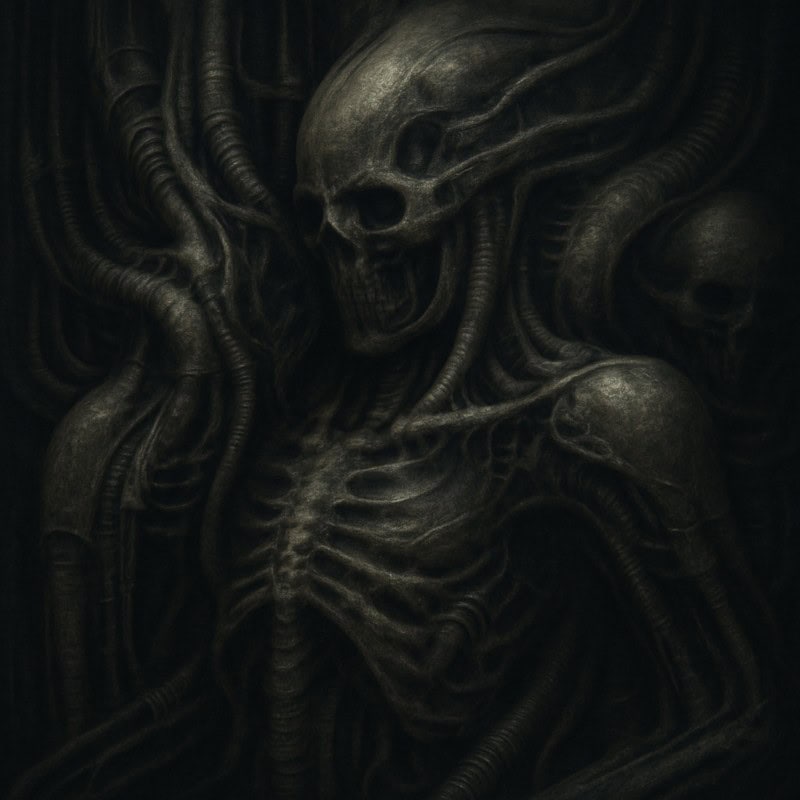
When flesh meets machine in the most unsettling ways, you’ve entered Giger’s realm. Famous for designing the iconic Xenomorph, Giger fused organic terror with industrial dread. In this post, we dissect his biomechanical style and show how you can bring that chilling fusion into your own dark designs.
We’ll explore how Giger’s art taps into deep-seated fears of dehumanisation and the unknown. Learn how his intricate patterns, cold metallic forms, and grotesque organic shapes can inspire your next creature or environment, perfect for when you want your art to feel alien, yet disturbingly familiar.
If the fusion of flesh and machinery fascinates you, you can dive deeper into this unsettling aesthetic in H.R. Giger: The Architect of Beautiful Nightmares. In that post, we explore how biomechanical horror reshaped creature design, why the absence of emotion makes it more disturbing, and how you can apply those same techniques to your own artwork.
4. Junji Ito: Psychological and Body Horror
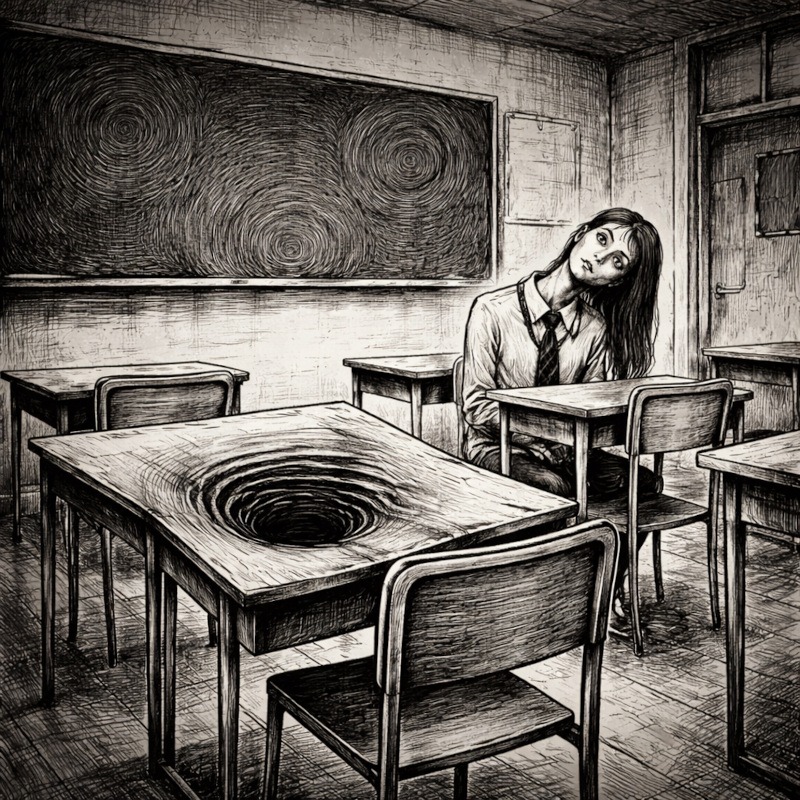
Step into the unsettling world of Junji Ito, where the ordinary slowly unravels into something deeply disturbing. Rather than relying on loud monsters or dramatic chaos, Ito builds tension through repetition, obsession and subtle escalation.
This post explores how simple settings like classrooms, small towns and everyday objects become the perfect stage for psychological collapse. You’ll see how clean black-and-white linework, careful pacing and gradual distortion create horror that lingers long after you look away.
If you want to learn how to turn harmless details into creeping dread and make viewers uneasy without immediately throwing a monster at them, Junji Ito is your guide. Just try not to look at spirals the same way again.
To see how obsession, repetition and quiet distortion evolve into full psychological collapse, read Junji Ito: The Master of Psychological and Body Horror and step further into the spiral.
5. Dark fantasy vs. horror art: finding inspiration in the shadows
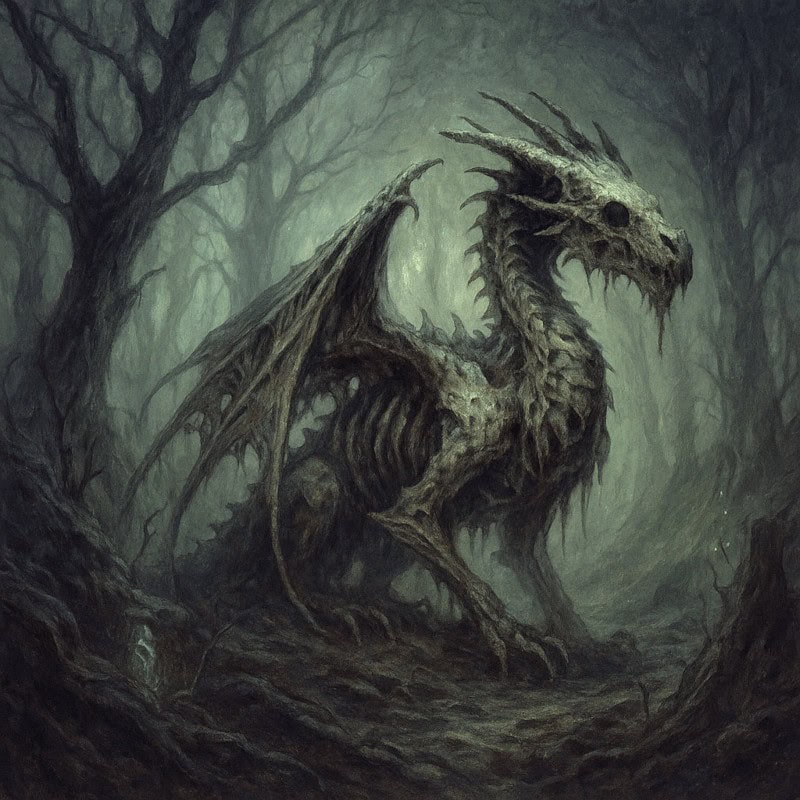
Where does dark fantasy end and pure horror begin? This post explores that thin, foggy line, guiding you through eerie realms where mythical creatures take a sinister turn and fantasy settings grow teeth. Get inspired to twist your fantasy art into something far more unsettling.
We’ll look at examples where dragons aren’t majestic – they’re decaying. Where elves aren’t ethereal – they’re watching you… hungrily. Learn how to corrupt the beautiful with just enough dread to turn fantasy wonder into waking nightmares. Perfect for artists who enjoy blending magic with malevolence.
If you want to explore this idea further, take a look at Dark Fantasy vs. Horror Art: Finding Inspiration in the Shadows, where we break down how subtle shifts in lighting, posture, and intent can completely transform your artwork from mysterious and epic to deeply unsettling. It’s the perfect next step if you’re ready to push your fantasy pieces into darker territory without losing control of the story you are telling.
6. How surrealist horror art plays with fear and discomfort
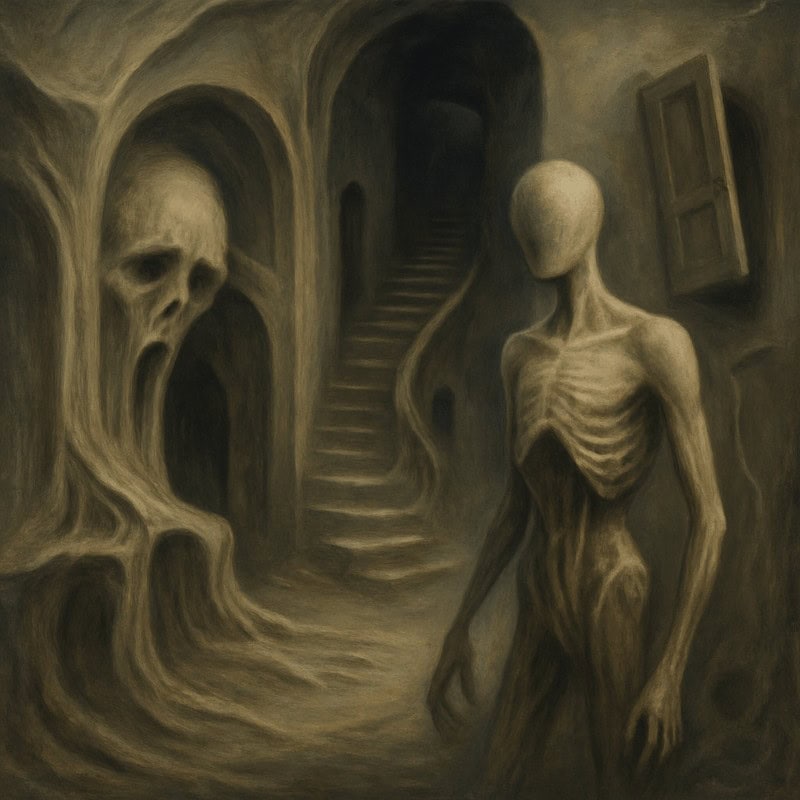
Why does strange, abstract horror get under our skin more than a simple jump scare? Here, we dive into the psychological tricks behind surreal horror art – why the brain loves being disturbed and how you can use that to craft art that lingers in your viewer’s minds (and nightmares).
We’ll explore the power of the “unknown” – warped anatomy, impossible spaces, and dream-logic designs that confuse as much as they terrify. If you want to master the art of making people squirm without understanding exactly why, this post will show you how to weaponise the weird.
If you’re curious how these ideas translate into practical techniques, explore How Surrealist Horror Art Plays With Fear and Discomfort for a deeper look at distortion, symbolism, lighting, and subtle psychological tricks you can use in your own work.
Final call to adventure (or doom…)
So, do you dare walk in the footsteps of the greatest dark and macabre artists? Each post will arm you with insights, techniques, and just the right amount of nightmare fuel to make your art truly haunting. Whether you’re sketching unsettling figures or creating eerie worlds, let these legends guide your hand… into the shadows.