Mastering the Art of Drawing Reptiles
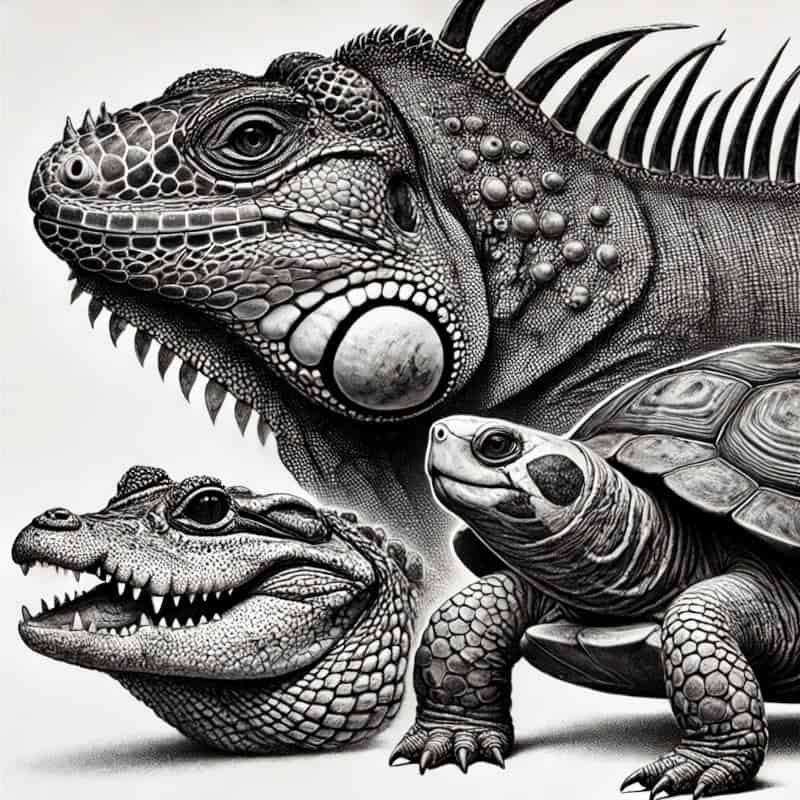
Reptiles are nature’s little enigmas – part dinosaur, part judgmental roommate, and entirely fascinating to draw. With their scaly textures, slinky movements, and “I-know-something-you-don’t” expressions, reptiles offer a unique challenge for artists. Whether you’re sketching a sinuous serpent, a stoic crocodile, or a lizard that looks like it holds ancient wisdom (or just had a long day), this guide will help you capture their essence, without making them look like melted action figures.
1. Understanding Reptilian Anatomy
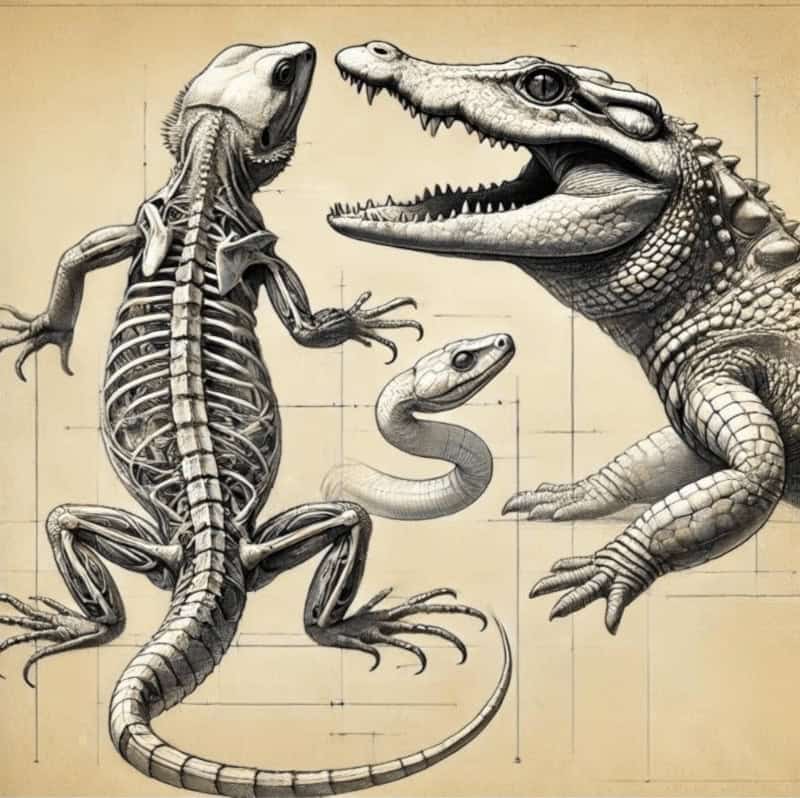
Reptile anatomy is a masterclass in efficiency. They don’t have extra fluff or unnecessary features – just scales, muscle, and a cold, unbothered attitude. Studying their skeletal and muscular structures will help you understand how they move. Learning these distinctions will keep your reptiles looking dynamic instead of… well, like a misplaced sock.
- Breaking down body structures: Lizards, snakes, turtles, and crocodiles
- Skeletal & muscular differences in slow-moving vs. agile reptiles
- How limb placement affects posture and movement
2. Sketching basic reptile shapes
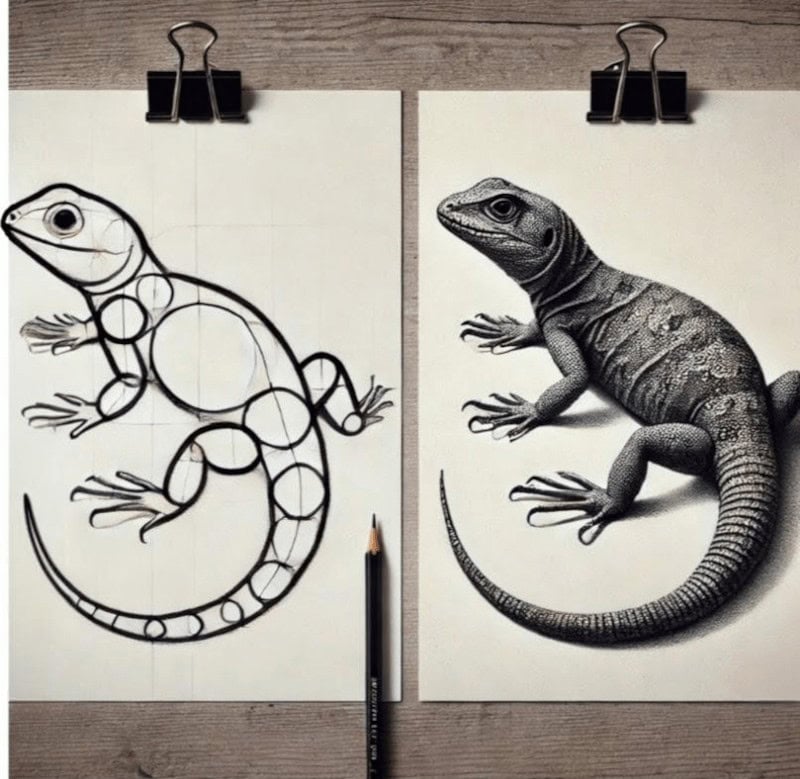
Forget starting with details – begin with simple shapes. A snake? That’s a curvy bean with confidence. A turtle? A grumpy potato with stubby legs. Once you establish the basic form, you can refine it into something less “preschool doodle” and more “majestic, scaly masterpiece.”
- Using simple geometric forms to build the foundation
- Understanding proportions for different species
- Common mistakes to avoid when drawing reptile heads and bodies
3. Drawing scales & textures
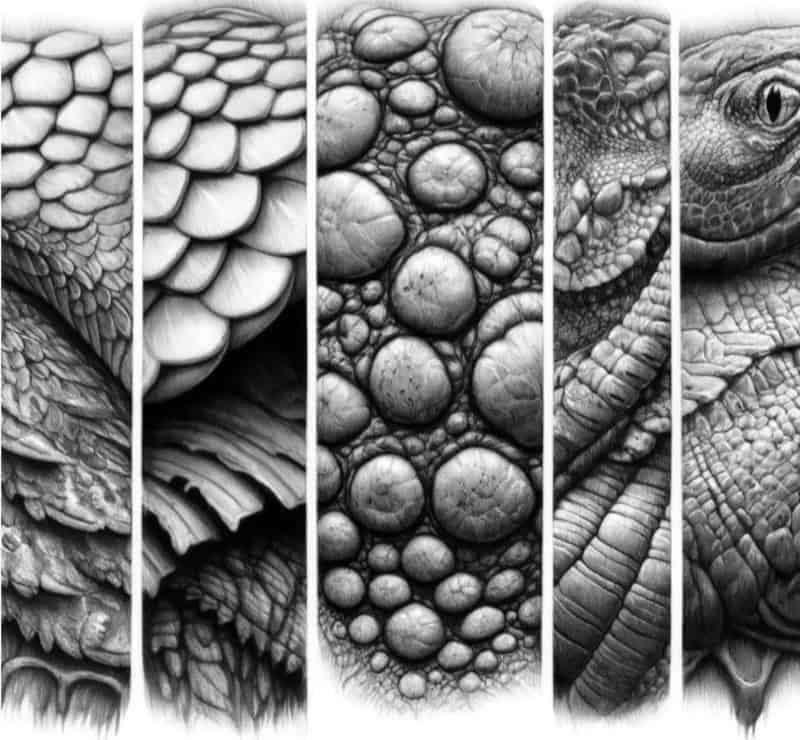
Scales are the signature look of many reptiles, but getting them right is the difference between a majestic, battle-hardened dragon and a lizard that looks like it lost a fight with a waffle iron. This section covers how to render overlapping scales naturally, the difference between smooth and rough textures, and shading techniques to enhance depth and realism in your reptilian creatures.
- How to render overlapping scales for realism
- The difference between rough and smooth textures
- Shading techniques to emphasise scale patterns and light reflection
4. Capturing reptile expressions & movements
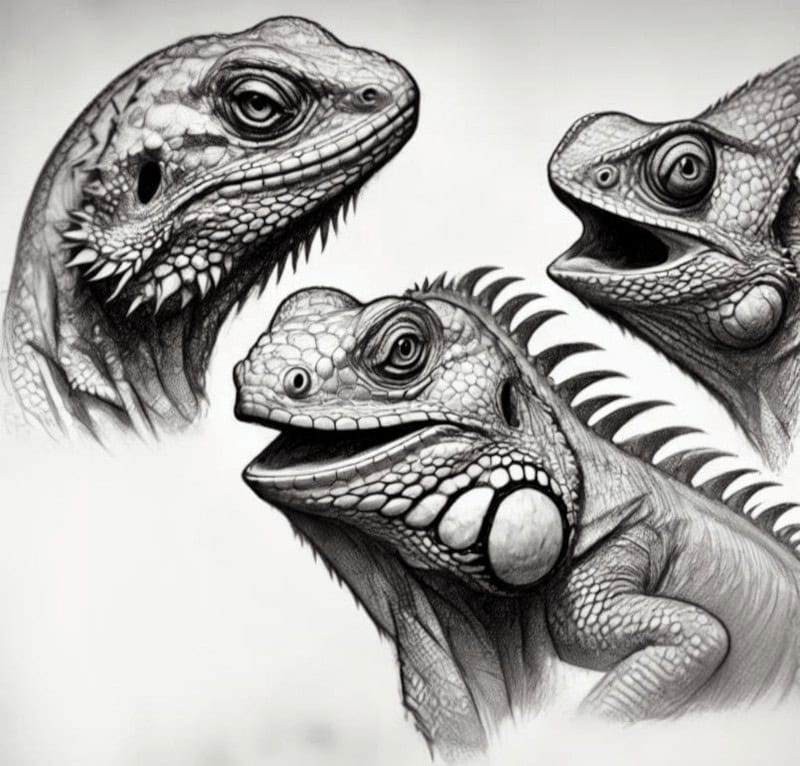
Reptile faces are a whole mood. They range from “seriously plotting your downfall” to “mildly disapproving dad”. Their expressions, combined with slitted pupils and slow movements, make them both eerie and fascinating. Capturing these unique poses, like a snake coiling before striking or a lizard sunbathing in absolute indifference, adds life to your sketches.
- How eye shape and slit pupils create an eerie look
- Posing reptiles in dynamic or coiled positions
- Using tail curves to create a sense of movement
5. Enhancing your reptile drawings with shading & depth
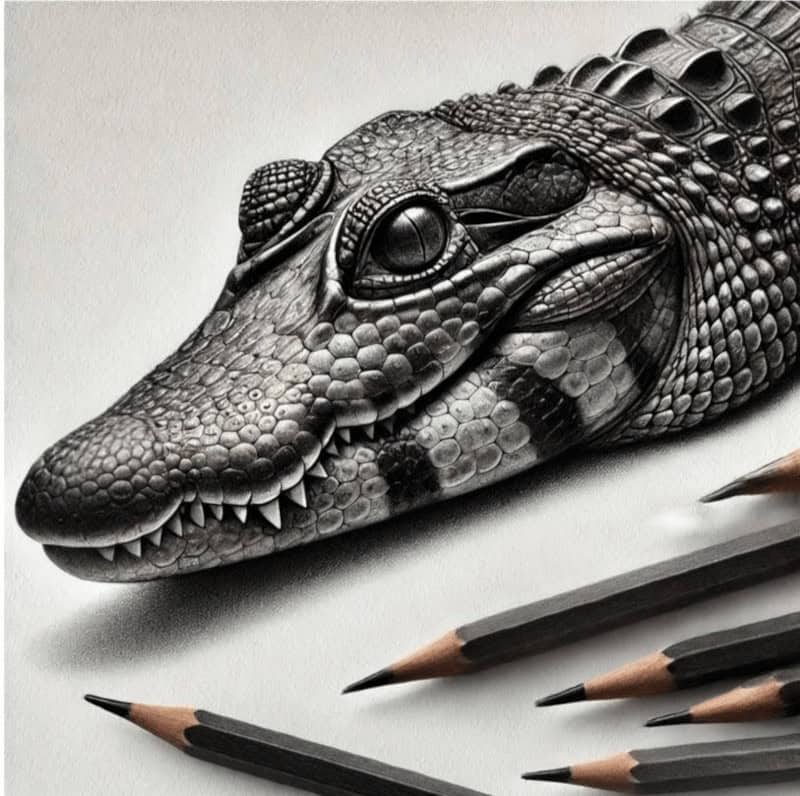
Proper shading can turn your flat sketch into a scaly masterpiece. Use shadows to create a three-dimensional effect, highlight glossy surfaces, and experiment with light reflections. If done correctly, your drawing might look so real that someone will try to swat it off the page. That’s when you know you’ve made it.
- Layering shadows to create a three-dimensional form
- Highlighting glossy skin, ridges, and reflective surfaces
- Common lighting techniques for dramatic effect
Conclusion: bringing reptilian creatures to life
You did it! You’ve slithered through the fundamentals of reptile drawing, and now it’s time to put those scales to work. Whether you’re sketching a sleek, lifelike lizard or a nightmarish serpent that looks like it crawled out of a crypt, your art is about to get a whole lot more… reptilian.
Now, don’t be afraid to experiment! Want to give your snake a set of unsettling, human-like eyes? Go for it. Feeling bold enough to design a crocodile with a smug smirk that says, “I know something you don’t?” Even better. Play around with shading, exaggerate those eerie textures, and make your creatures so compelling that people start to wonder if you moonlight as a reptile whisperer.
So grab your pencils and get sketching! And remember – if your first attempt at a gecko ends up looking like a potato with legs, just call it a cryptid and say it was intentional.
Got a reptile sketch you’re proud (or hilariously ashamed) of? Drop it in the comments – let’s embrace the scales and the fails.