Finding Inspiration for Horror Art
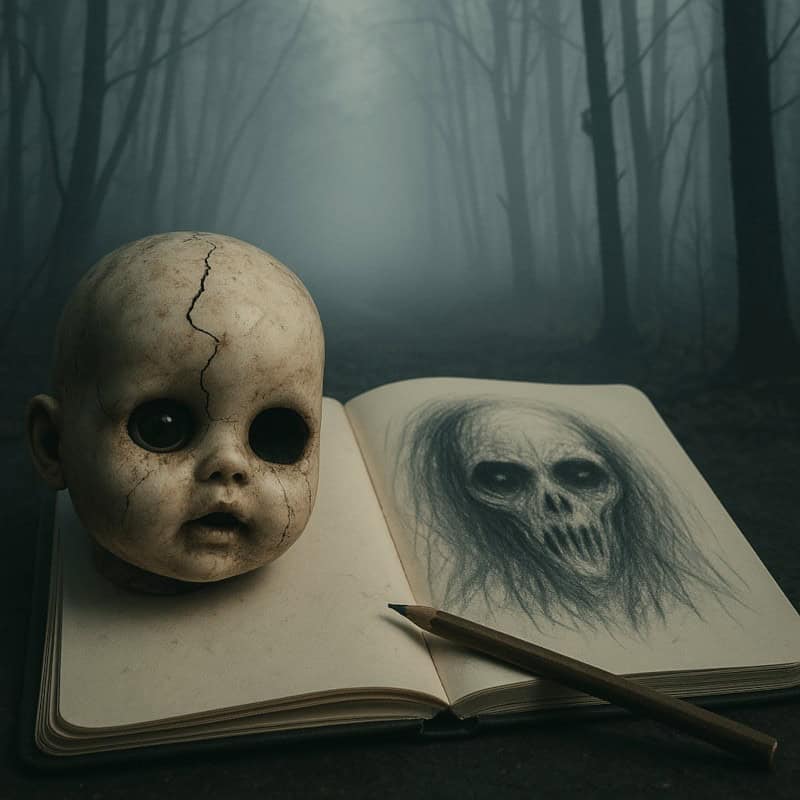
Inspiration doesn’t always strike like a lightning bolt from Dracula’s tower. Sometimes it sneaks up slowly, disguised as an old tree root or a half-broken doll in a charity shop window. Finding horror art inspiration is less about waiting for the “perfect” idea and more about learning how to spot creepy gold hiding in plain sight.
Think of it like ghost-hunting – the spirits don’t usually knock politely on your sketchbook; you’ve got to train your eyes to notice them lurking in the shadows. And don’t worry, unlike actual ghost-hunting, the worst thing you’ll probably encounter is an overripe banana that looks suspiciously like Cthulhu.
1. Look Beyond the Screen
Yes, horror movies and video games are goldmines – but don’t just consume them passively.
Watch (or replay) with an artist’s eye:
- Pause during settling scenes and sketch the lighting layout.
- Take notes on monster designs: are they exaggerated versions of real animals, distorted human figures, or something abstract?
- Ask yourself: If I had to design this scene differently, what would I change to make it scarier?
Mini exercise: Watch a creepy scene muted, then redraw it while imagining your own sound design. Do jagged shadows suggest screeches, or does the slow movement hint at silence before the scare?
2. Unearth Folklore and Myth
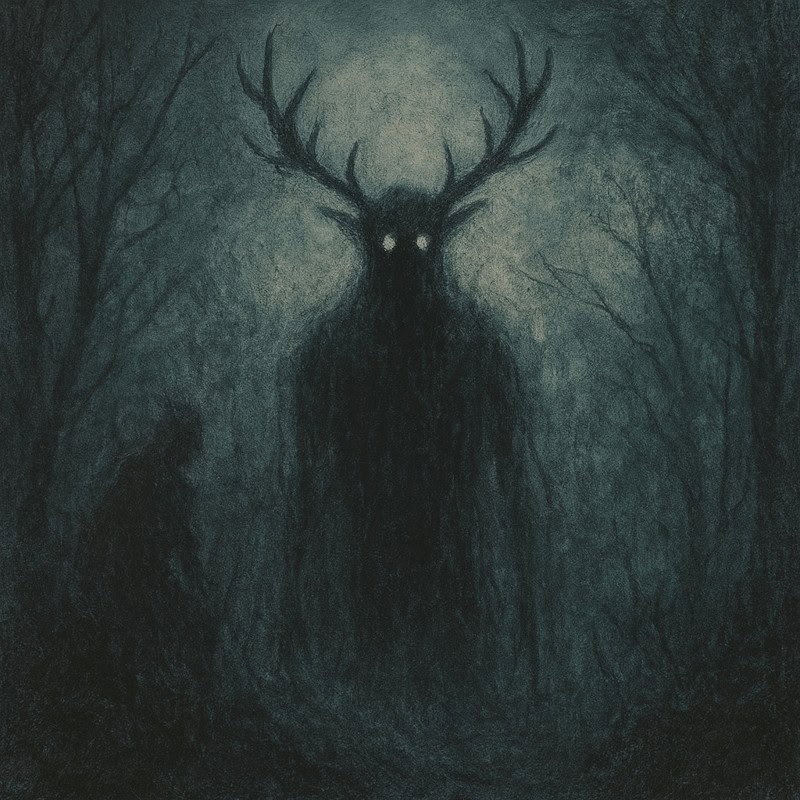
Folklore is the OG horror franchise. Ghosts, witches, demons, cryptids – these stories survive because they stick in the human imagination.
- Local Legends: Ask your relatives or neighbours if they know any eerie tales from your area. There’s almost always a creepy bridge, an old house, or a “don’t go there after dark” spot nearby.
- Global Myths: Explore cultures beyond your own. Japanese yokai, Caribbean duppies, and Norse draugr are dripping with inspiration.
- Mix and Match: Combine myths. Imagine Dracula on holiday in the Scottish Highlands and bumping into the kelpies – things would get soggy very quickly.
Mini exercise: Take one myth you love and “modernise” it. What would Baba Yaga’s hut look like in a city alleyway instead of a forest?
3. Study Real-World Decay and Nature
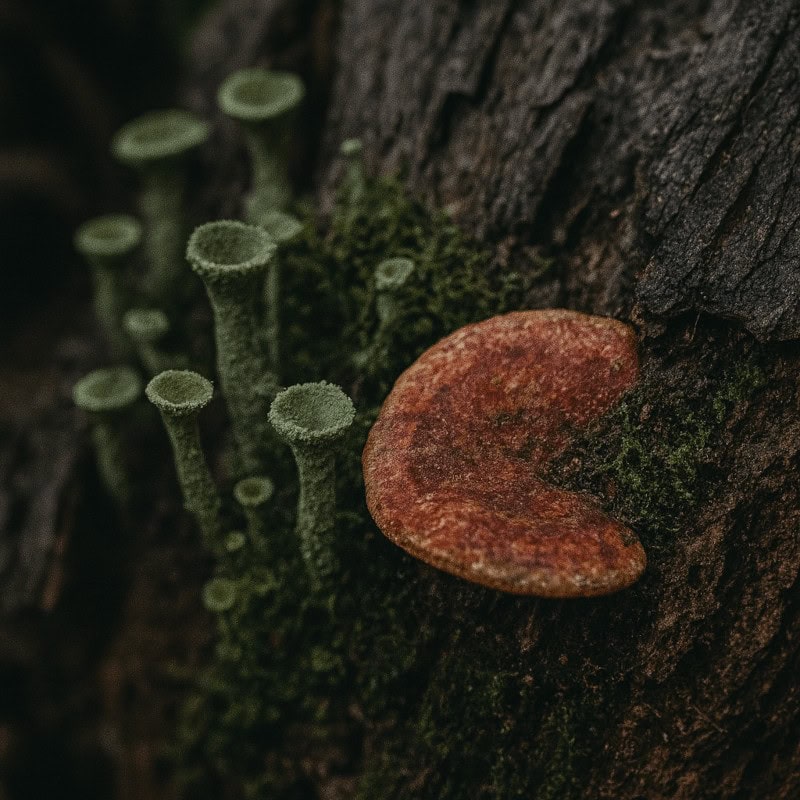
Mother Nature is both stunning and gross – perfect for horror art.
- Zoom in on mushrooms, barnacles, or coral – they’re practically ready-made alien textures.
- Photograph peeling paint, rust, or mouldy food (okay, maybe not too close on that one).
- Look at the anatomy of insects and deep-sea creatures. Imagine scaling them up into kaiju-sized monsters.
Mini exercise: Sketch a cracked wall and turn the cracks into crawling veins, tentacles, or ghostly hands reaching out.
4. Twist the Ordinary
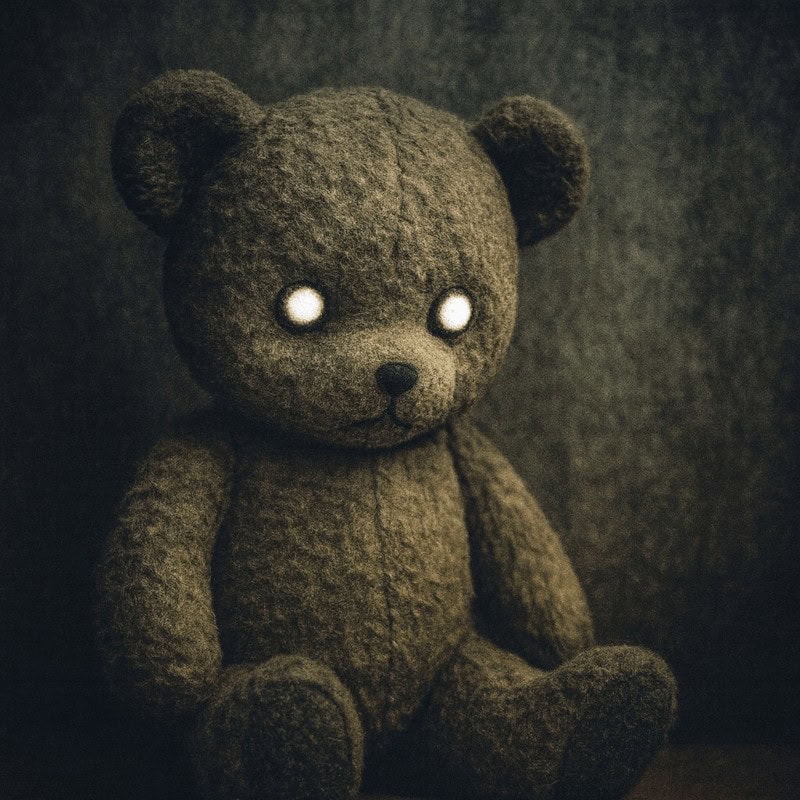
Uncanny horror happens when familiar things get slightly… off.
- A rocking horse that rocks on its own.
- A door that opens just a bit too slowly.
- A cheerful clown balloon in the middle of a graveyard.
Because sometimes the scariest thing isn’t blood and guts – it’s realising the teddy bear in the corner has been inching closer every time you blink.
Mini exercise: Pick five everyday objects in your room right now. Redraw them all with one creepy modification each (extra eye, unnatural shadow, teeth, wrong proportions).
5. Keep an Inspiration Grimoire
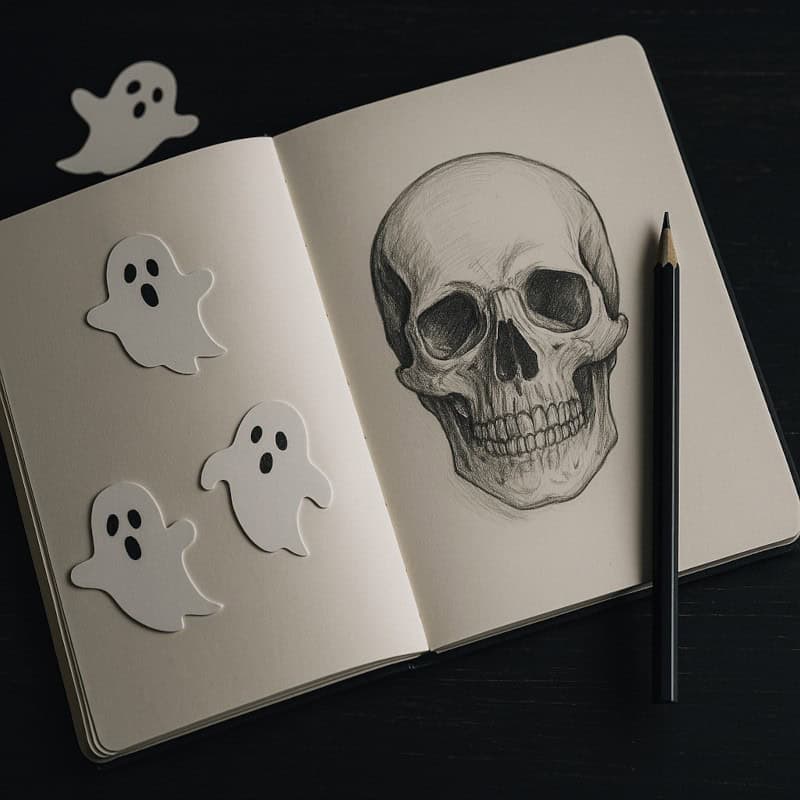
Ideas are slippery little ghosts. If you don’t catch them, they vanish.
An Inspiration Grimoire is your net:
- Physical notebook/sketchbook: Rough sketches, textures, and word fragments.
- Digital folder: Screenshots, Pinterest pins, saved posts.
- Voice notes: Record creepy dream fragments before you forget them
Over time, you’ll build a personal vault of “half-baked horrors” ready to develop into full artworks.
Mini exercise: Each day, add one creepy idea to your grimoire – even if it’s as silly as “a pigeon with human teeth.” Trust me, future-you will thank you.
Common Inspiration Myths (and How to Break Them)
- “I need a perfect idea first.” Nope – start ugly. Even Frankenstein’s monster began as mismatched leftovers.
- “It’s all been done before.” Maybe – but not with your weird spin.
- “Inspiration has to be dramatic.” Wrong – the shadow of your coat hanging on a chair is often scarier than a CGI monster.
Quick Inspiration Sparkers
When your brain feels as blank as a fresh sketchbook:
- Stare at a common object in dim light and imagine it alive.
- Pick three random words (like “clock, teeth, shadow”) and combine them into a design.
- Scroll through your own photo gallery for unintentional creepy shots.
- Sketch a place you know well – then twist it into its haunted counterpart.
Wrapping It Up
Inspiration for horror art is everywhere – in myths, mould, and even the weird faces your laundry makes when it slumps on the chair. The trick isn’t waiting for a thunderbolt of genius – it’s noticing sparks and collecting them until you’ve got a fire.
And if all else fails, just draw your neighbour’s cat staring at you through the window at night. Trust me, instant nightmare fuel.
Keep Exploring Motivation & Creativity
If you found this post useful, you might also enjoy: