This section is dedicated to helping you grow as a horror artist, from setting up your workspace to mastering techniques that enhance your skills. Whether you’re looking for motivation, learning new artistic methods, or exploring the psychological aspects of horror art, you’ll find valuable art tips here.
So, grab your pencils, dim the lights, and let’s create some art that would make even the shadows nervous.
1. Motivation & Creativity
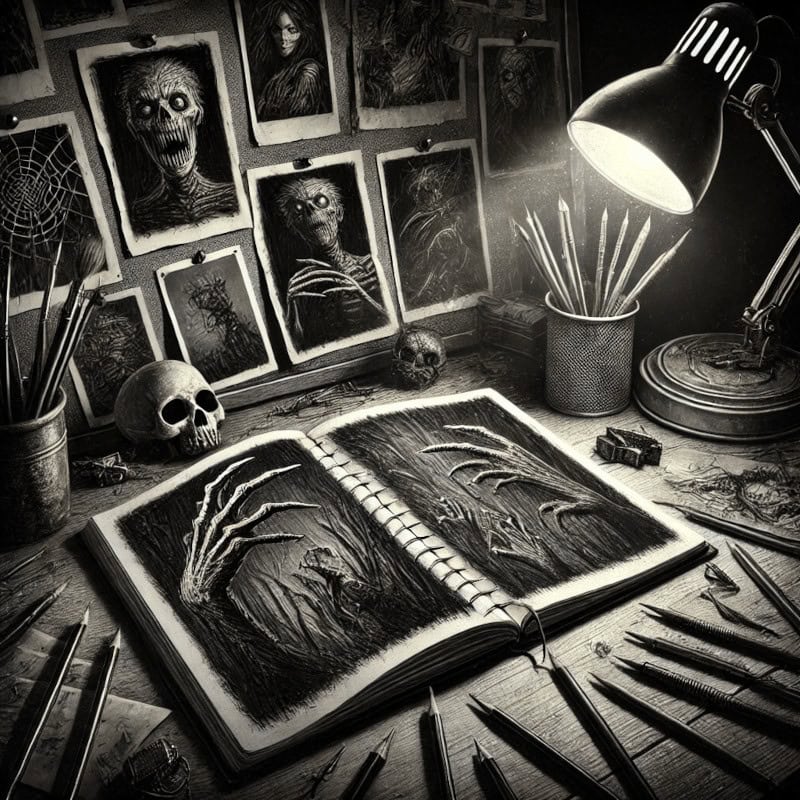
Boosting creativity, overcoming artistic struggles, and staying inspired are crucial for keeping horror artists motivated. Incorporating horror tips in your daily practice can be very helpful.
- Overcoming Creative Blocks in Horror Art – Techniques to break through slumps and use horror themes to spark ideas.
- Finding Your Horror Art Style – Experimenting with aesthetics, learning from artists, and developing a unique approach.
- How to Stay Motivated as a Horror Artist – Managing burnout, setting goals, and balancing improvement with enjoyment.
- Building Confidence in Your Artwork – Silencing the inner critic and celebrating progress over perfection.
- Finding Inspiration for Horror Art – Movies, video games, real-world textures, and artists that fuel eerie creativity. Always refer to various horror art tips to keep the inspiration flowing.
Explore the Motivation & Creativity guides to stay inspired and confident in your horror art journey.
2. Workspace setup
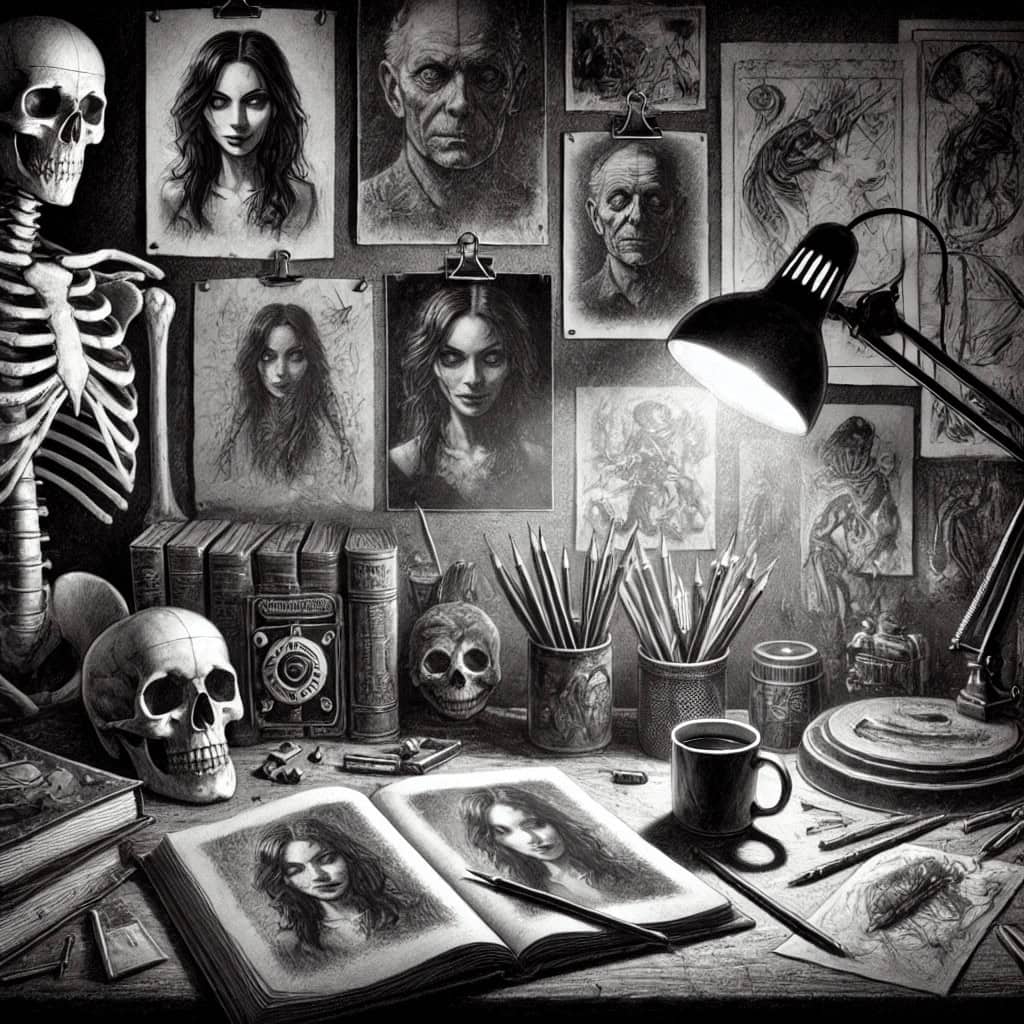
Creating an environment that enhances productivity and inspiration. These horror tips for setting up your workspace can make a huge difference.
- Organising Your Art Space – Optimising your setup for efficiency.
- Lighting & Ergonomics – Reducing strain and improving focus.
For help designing a workspace that supports your art, visit the Workspace Setup guide.
3. Horror Art tools & materials
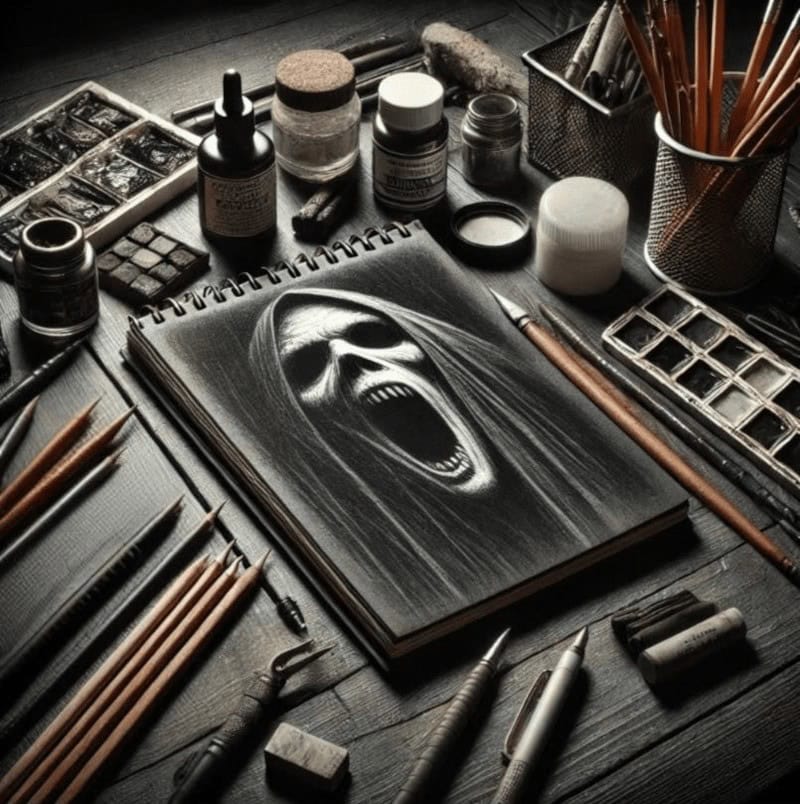
A complete guide to must-have horror art supplies, from essential graphite and charcoal to advanced inks and professional paper. Because sometimes, the right pen or paper is the only thing standing between a masterpiece and an “accidental modern art” disaster.
- Essential Horror Art Supplies – Graphite, charcoal, blending tools, and sketchbooks.
- Advanced Materials – White gel pens, textured paper, ink, and markers.
- Choosing the Right Tools – Understanding which materials work best for eerie textures and effects. Applying these horror art tips can elevate your work.
Visit the Horror Art Tools & Materials guide to see what each tool does and when to use it.
4. Reference & study resources
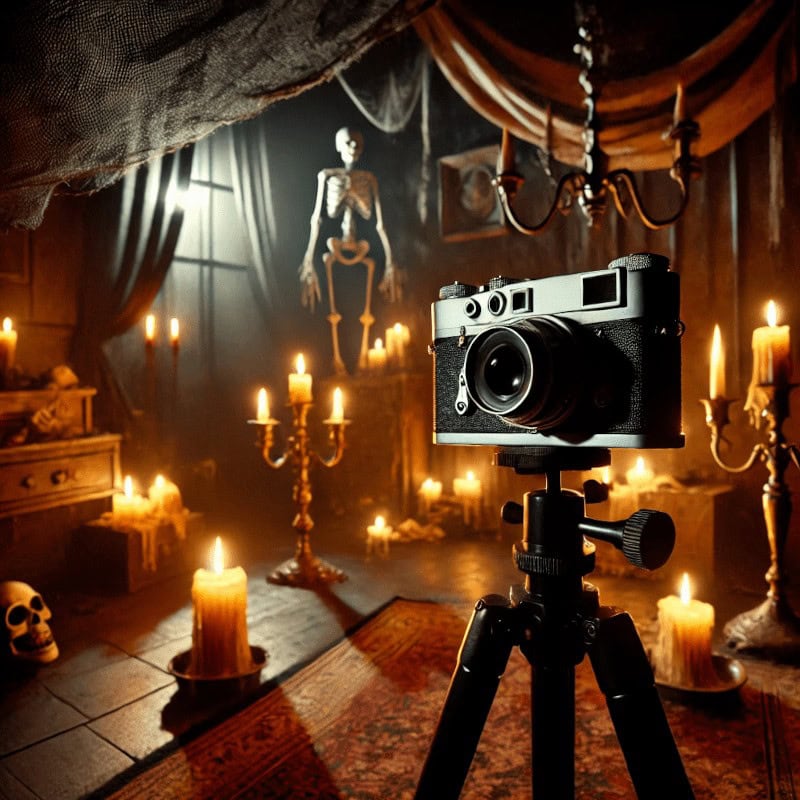
Curated resources for studying anatomy, textures, and horror aesthetics.
- Best Websites for Horror Art References – A curated list of reliable websites for anatomy, poses, lighting, and eerie inspiration to help build strong horror art foundations.
- Using Real-World Textures for Horror Art – This post shows how to study and use real-world textures like cracks, rust, and fabric to make horror drawings feel more believable.
- Photographing Real-World Textures for Horror Art – A practical guide to photographing your own textures with a phone, covering lighting, angles, safety, and organisation for useful reference images.
- Real-World Texture Reference Photos for Horror Art – A curated gallery of real-world texture photos for studying organic detail, surface damage, and subtle imperfections that work especially well in horror art.
- How to Use Art References Effectively (Without Killing Your Creativity) – This post explains how to use art references as learning tools rather than crutches, helping you build stronger drawings without copying, overthinking, or losing your creative spark.
5. Psychological horror in art
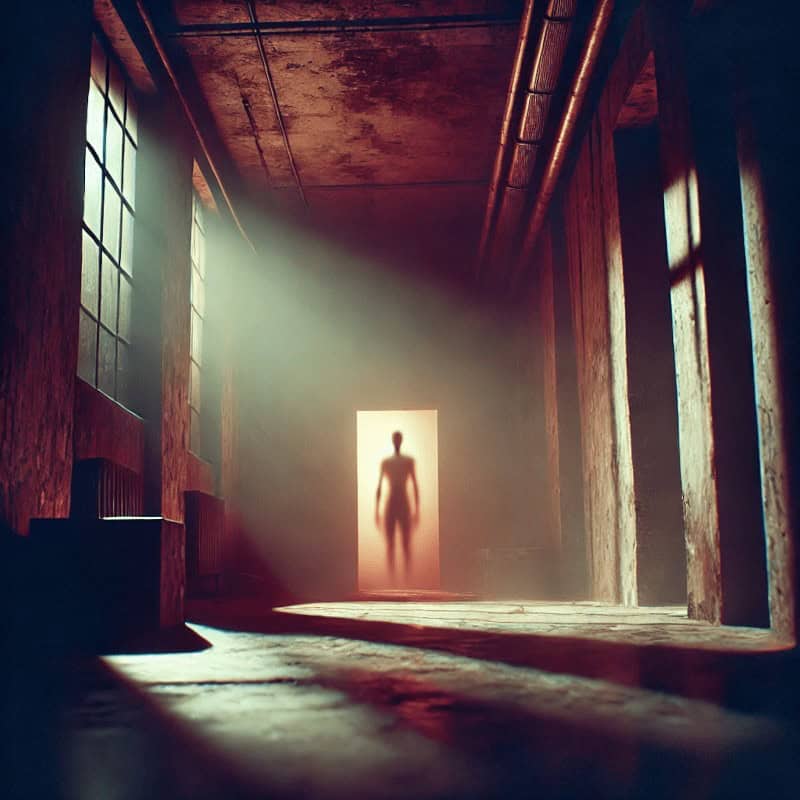
The most unsettling horror isn’t what you see – it’s what your mind fills in. Mastering psychological horror in your artwork lets you create fear through suggestion, tension, and eerie details that linger long after the viewer looks away.
- Psychological Horror vs. Gore – Crafting tension through subtle details. Follow these psychological horror art tips to enhance your artwork.
Want to explore subtle fear further? Visit the Psychological Horror in Art guide.