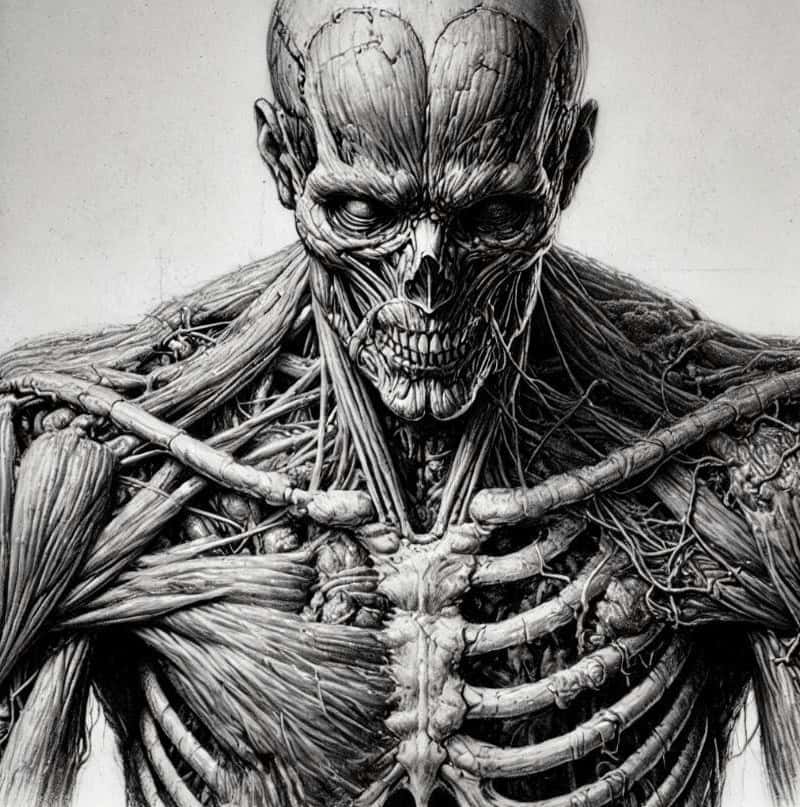
Horror anatomy and proportions are essential for creating unsettling, believable horror characters that feel wrong in all the right ways.
Ever wondered why some horror creatures just feel wrong in the best (or worst) way possible? Maybe it’s their twisted proportions, their impossibly long limbs, or the fact that their bones seem to have completely given up on physics. Mastering anatomy and proportions is key to making your horror characters feel eerily believable, just believable enough to be unsettling.
This section dives into foundational anatomy, skeletal structures, and exaggerated proportions to help you craft monsters that linger in viewers’ imaginations (and nightmares). Whether you’re subtly tweaking human anatomy to make it unsettling or going full “cursed abomination from the void,” I’ve got you covered.
1. Proportions for horror characters
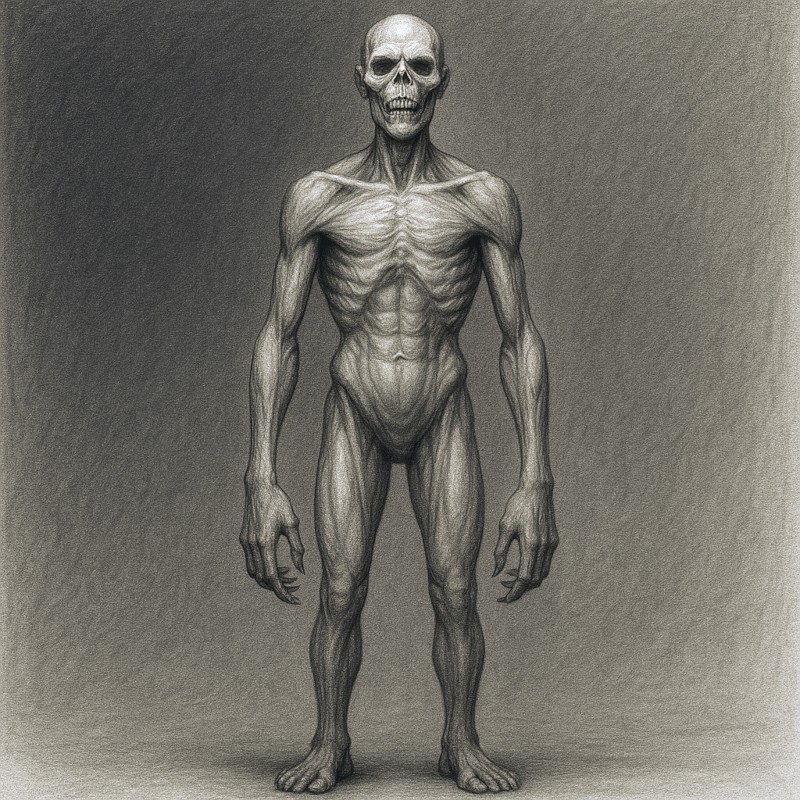
Understanding human and non-human proportions is essential for horror design because not all nightmares follow the rules of anatomy.
- Why Proportions Matter in Horror Design
- Common Proportion Mistakes and How to Fix Them
- Adapting Realistic Anatomy to Horror Characters
2. Anatomy & skeletal structures in dark art
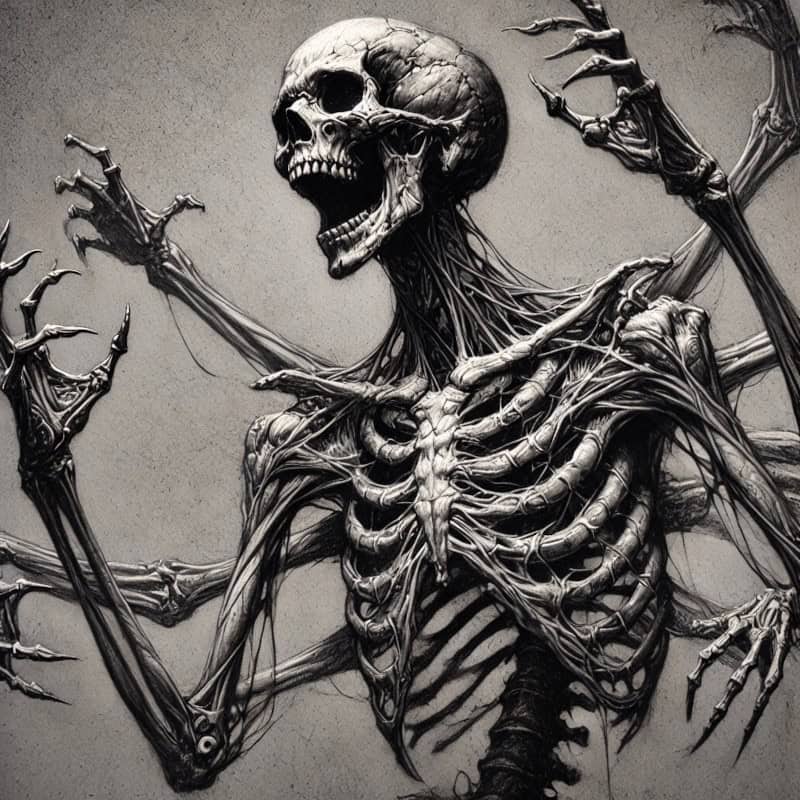
Bones, joints, and skeletal structures shape horror creatures and humanoid figures. But why stop at normal anatomy when you can go full eldritch nightmare?
- Understanding Skeletal Frameworks in Horror Character Design
- Distorted Skeletal Proportions for Eerie Effects
- Exaggerated and Hybrid Skeletal Designs
3. Muscles & exaggeration in horror creatures
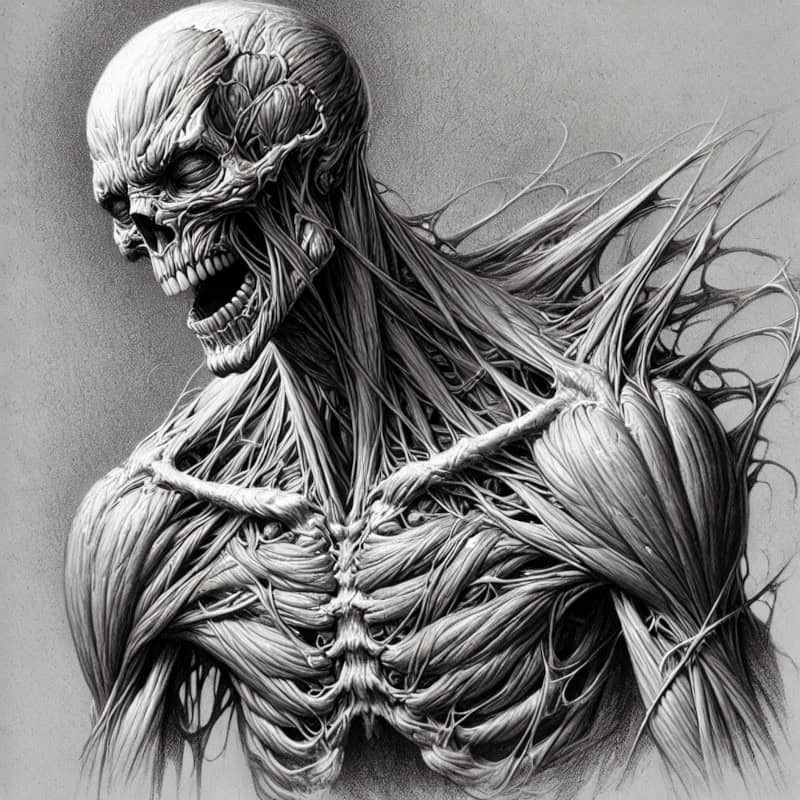
How to manipulate muscle structure to create disturbing and unnatural figures – because nothing says unsettling like a monster with too many muscles in all the wrong places.
- Exaggerated Musculature in Horror Creatures
- Tension, Stretching, And Warping in Horror Anatomy
- Creating Unsettling Movement Through Muscular Distortion
4. Creating unsettling character poses
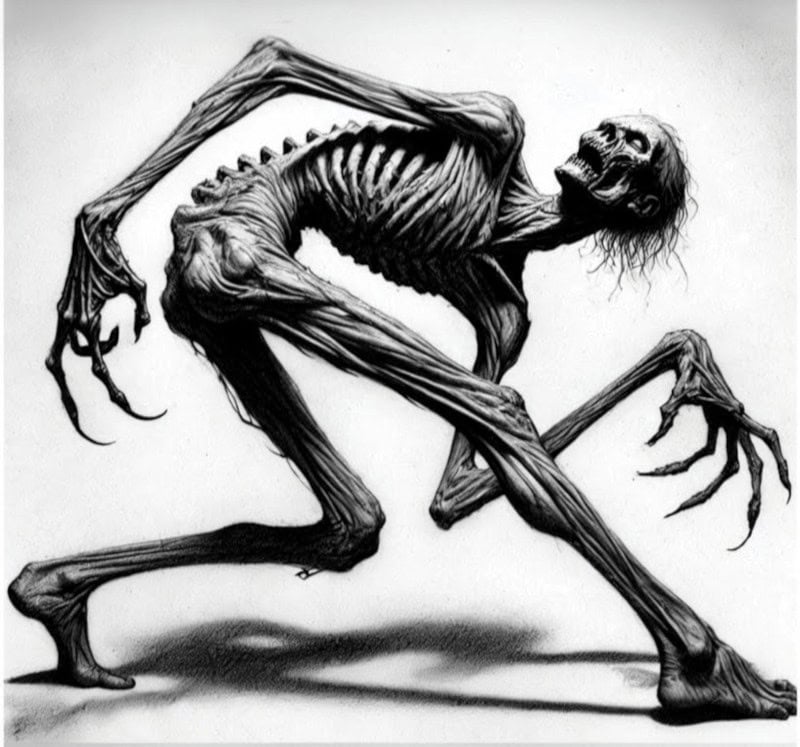
Posture and stance play a massive role in horror storytelling. Ever notice how a monster standing still can be just as terrifying as one chasing you?
- How Pose and Balance Create Discomfort
- Twisting and Unnatural Postures for Horror Figures
- Asymmetry and Tension in Character Design
5. Distorted proportions & horror poses
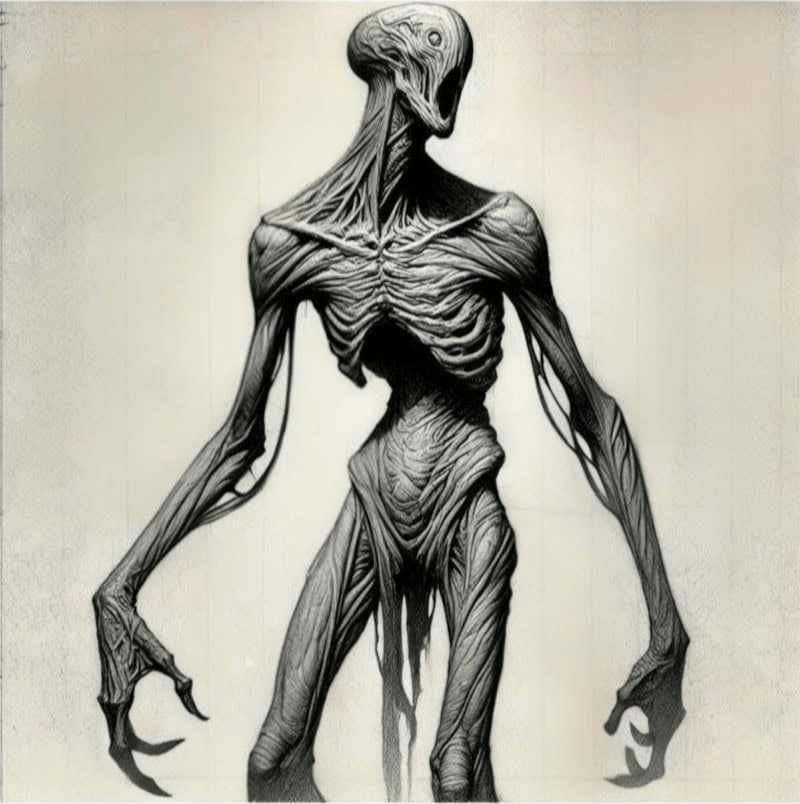
Going beyond normal proportions to make your horror creatures truly unsettling.
- Understanding Basic Proportions in Creature Design
- Exaggerating Proportions for Maximum Horror
- Dynamic Posing for Horror Creatures
6. Decay & ageing in horror art
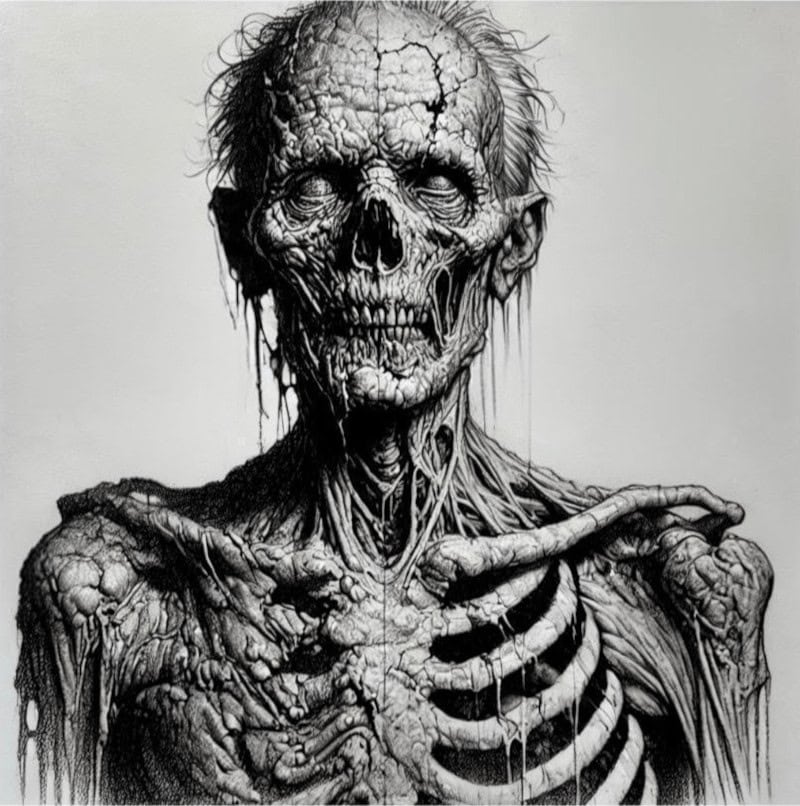
Transform natural ageing into grotesque horror elements – because old age is already scary enough, but let’s make it worse.
- How to Distort Ageing for Horror Characters
- Creating Unsettling Effects Like Sagging Flesh, Bone Exposure, and Rapid Decay
- Using Exaggerated Ageing to Enhance Horror Storytelling
Conclusion
Mastering anatomy and proportions gives you the confidence to create believable, expressive, and dynamic horror characters. Whether you’re drawing realistic human figures or experimenting with horrific distortions, understanding how the body works is crucial, especially when you plan to break all the rules.
By studying proportions, muscle structure, and ageing, you can add depth and authenticity to your work. Keep practising, study real-world anatomy, and experiment with creative distortions. A strong foundation in anatomy allows you to break the rules effectively, whether for realism or pure nightmare fuel.
Now go forth and create horrors that make people question reality. Happy sketching!