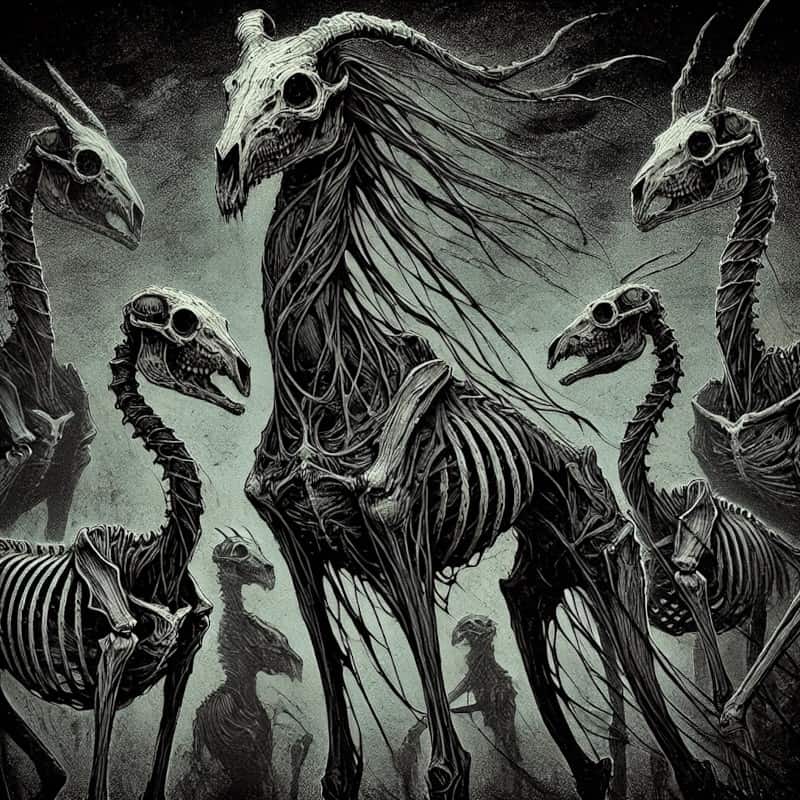
Creating horror creatures isn’t just about slapping on claws and calling it a night – unless you’re designing Discount Freddy Krueger. The real magic is in stretching, distorting, and twisting anatomy just enough to make people deeply uncomfortable. A creature’s proportions and pose decide whether it looks eerie, monstrous, or like a failed science experiment best left forgotten.
That being said, making a creature’s limbs ridiculously long and its neck slightly too flexible isn’t enough. To make an effective design, you need to understand anatomy before you ruin it in the best possible way. In this guide, we’ll dig into horror creature proportions and posing, from “mildly unsettling” to “why does it look like that?!”
1. Understanding basic proportions in creature design
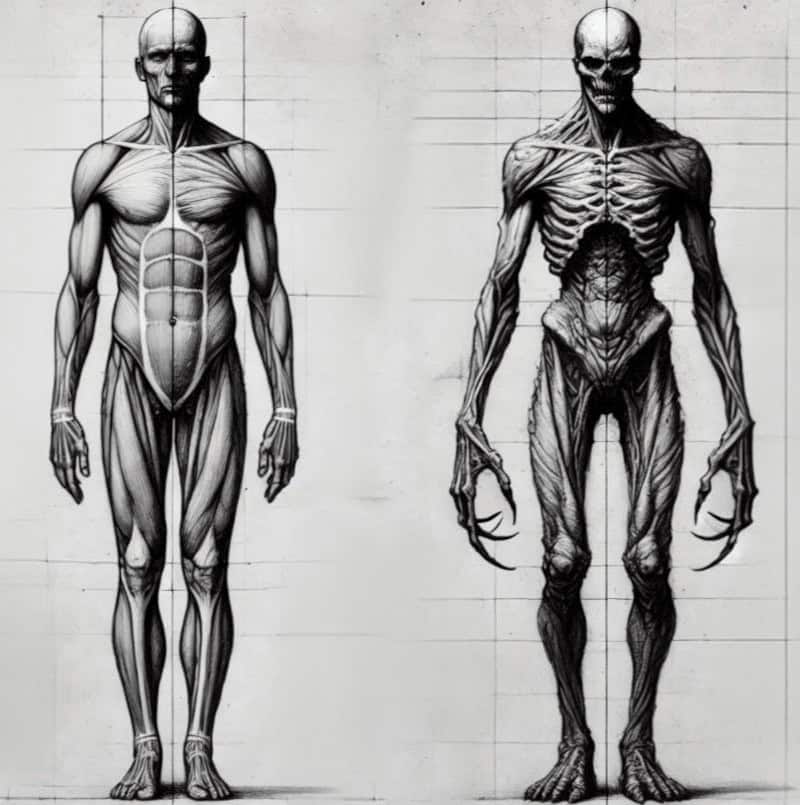
Before turning arms into noodles or giving a monster three torsos for the sake of originality, it’s important to understand why certain proportions work. Even the most unnatural creatures benefit from a structured approach – otherwise, you might end up with something that looks less terrifying and more like an accidental PhotoShop fail.
- Why proportions matter – Balanced proportions provide a sense of structure, even when the structure is horribly wrong.
- Comparing animal vs. human proportions – Understanding common ratios helps you tweak them for horror effects.
- Using symmetry and balance strategically – Keeping some sense of order makes distortions feel more unsettling.
2. Exaggerating proportions for maximum horror
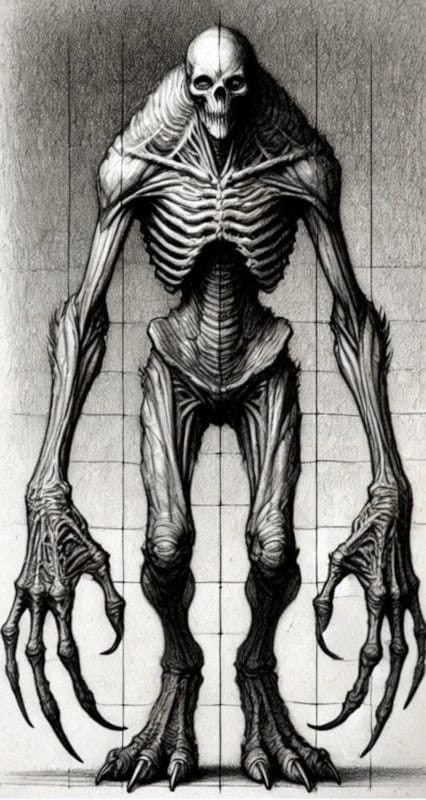
Now that you understand basic proportions, let’s look at how exaggeration can enhance fear. However, it’s not just about making everything bigger – selective distortions are what truly make a creature unsettling.
- Stretching, twisting, and warping features – Why elongating certain body parts adds an eerie presence.
- Oversized or undersized elements – Enlarged skulls, tiny torsos, and unnatural limb lengths create unease.
- Combining features for hybrid creatures – Fusing different anatomical structures amplifies the monstrous effect.
3. Dynamic posing for horror creatures
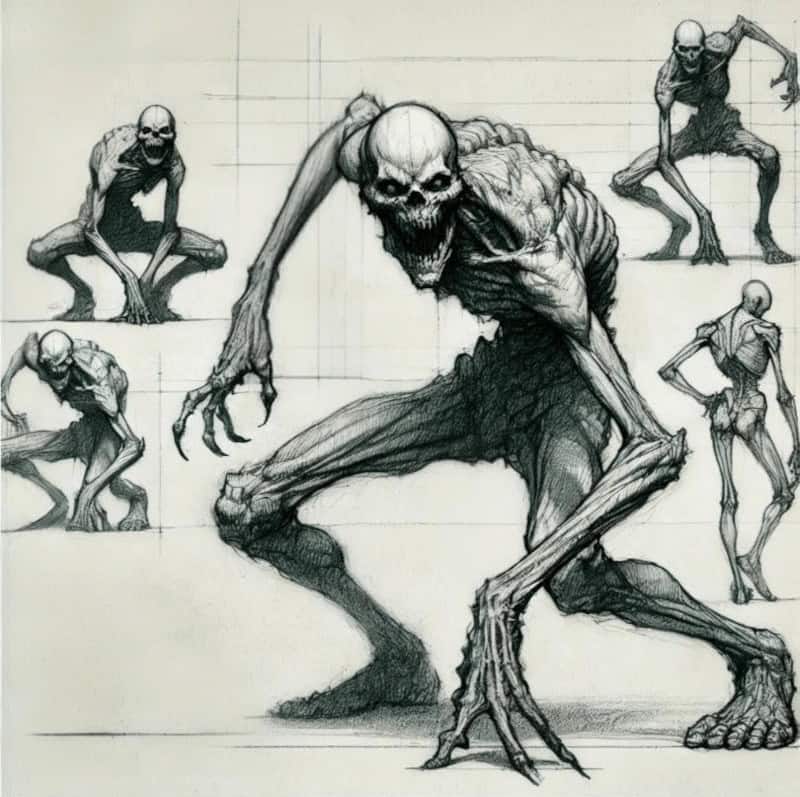
A monster can look terrifying in design, but if it just stands there like it’s waiting for a bus, it loses all its impact. Movement is what makes creatures feel alive – or, in the case of horror, alive in the worst way possible.
- How posture affects fear perception – Crouching, looming, and unnatural angles.
- The power of asymmetry and tension – Why slightly off-balance poses feel wrong in the best way.
- Examples of horror creatures with strong, eerie poses – Learning from iconic horror monsters.
4. Creature-specific proportions & poses
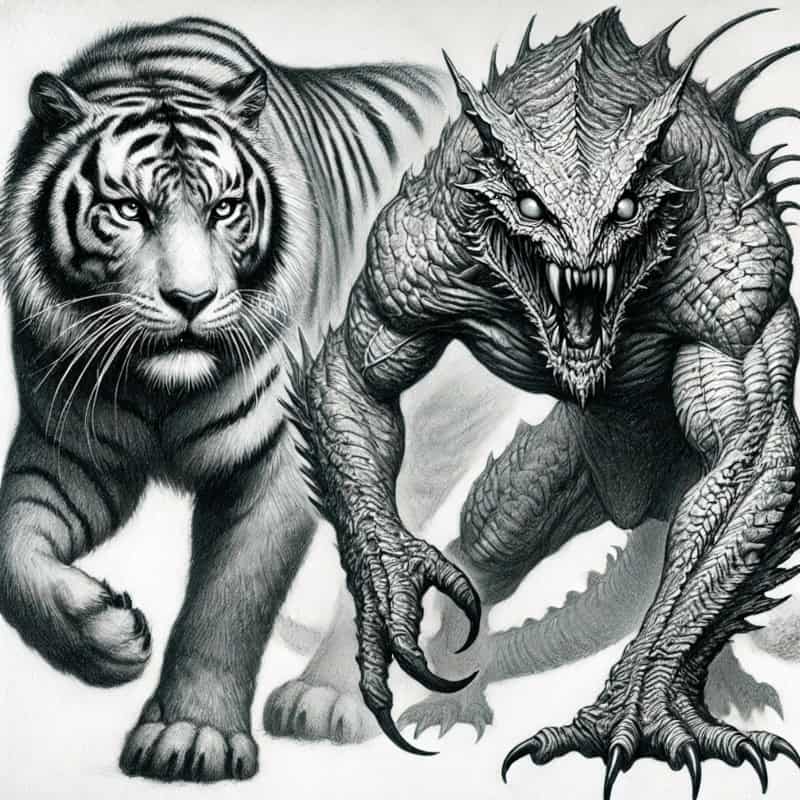
Depending on the type of horror creature, various proportions and poses will create fear in different ways. By understanding their natural body language, you can push their horror potential even further.
- Feline & Canine Creatures: Stalking, aggressive, and lean movements.
- Reptilian Monsters: Rigid, slinking, and jerky postures.
- Hybrid Beasts: Twisted proportions and unpredictable motion patterns.
5. Practising & experimenting with proportions and poses
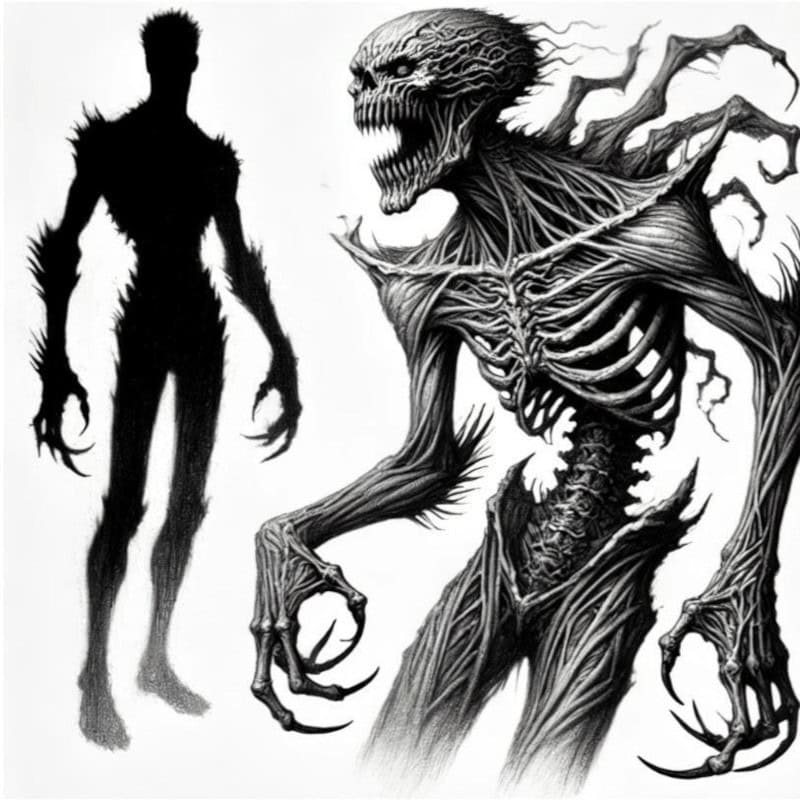
At this stage, you know how to create horror creatures – but to truly refine your skills, consistent practice is key.
- Sketching exercises for horror creature proportions.
- Using silhouette techniques for fear-inducing designs.
- Pushing anatomical exaggeration without breaking believability.
Conclusion: Embrace the uncanny
Creating effective horror creatures is all about knowing just how far to push anatomy before things go from creepy to confusing. By refining your understanding of proportions, pushing exaggeration in just the right places, and experimenting with dynamic, unsettling poses, you’ll create creatures that stick in people’s minds – whether they want them there or not.
Now go forth, break the rules, stretch some limbs, and make something so unsettling it makes people visibly uncomfortable.