Gaming Nightmares That Linger.
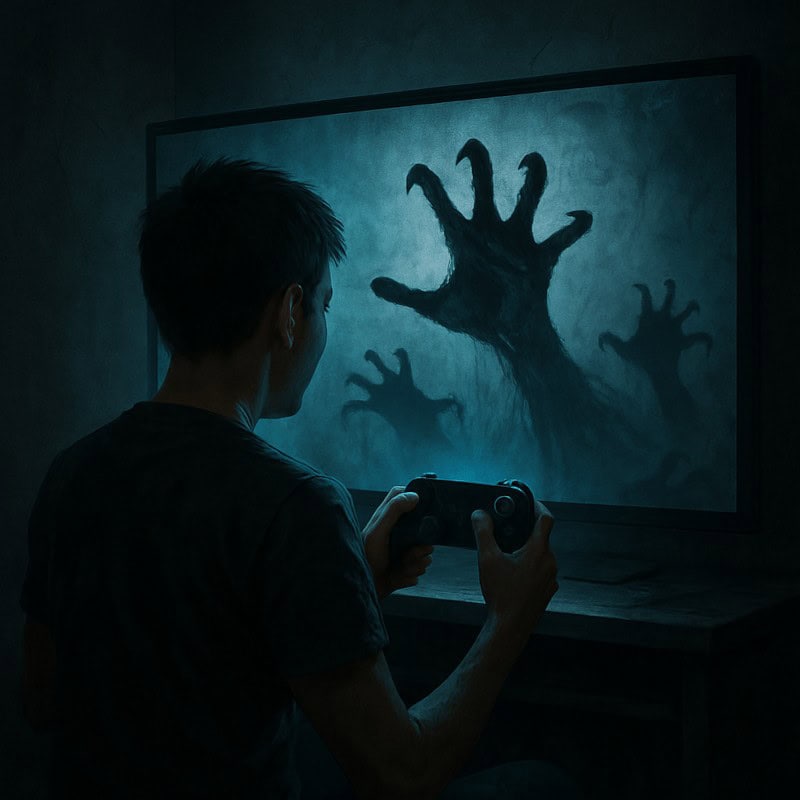
Horror video games aren’t just built to scare you – they’re a goldmine of art inspiration. Whether it’s the choking fog of Silent Hill or the grotesque creatures lurking in Resident Evil, these games offer more than jump scares. For artists, they open the door to unsettling atmospheres, twisted character designs, and haunting visual storytelling that crawls under your skin and stays there.
So, let’s turn down the lights, crank up those eerie whispers, and explore how horror video games can fuel your next dark creation.
1. Atmosphere is everything
The best horror games know how to set a mood, and it’s never a cheerful one. Artists can learn a lot from how these games use light, shadow, silence, and unsettling environments to create tension. Whether it’s the dense fog of a deserted town or the creaking decay of abandoned halls, mastering mood is key when drawing from horror video game art inspiration.
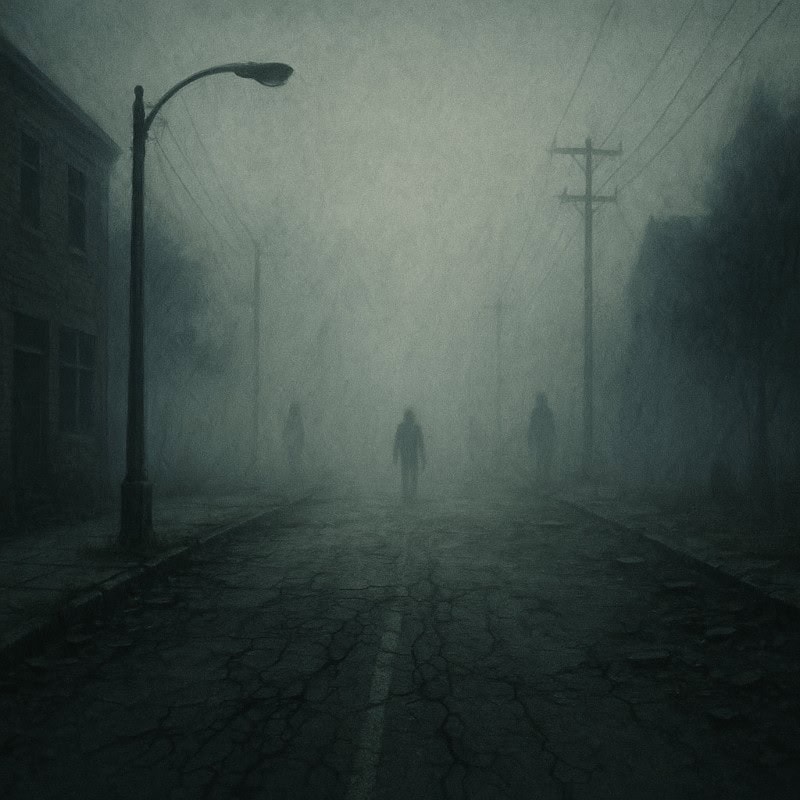
Silent Hill’s foggy isolation
The endless mist and distant echoes in Silent Hill trap players in a world where fear comes from what you can’t see. For artists, it’s a lesson in ambiguity – using fog, emptiness, and suggestion to spark unease. Remember, what’s hidden is often more terrifying than what’s revealed.
Resident Evil’s rotting world
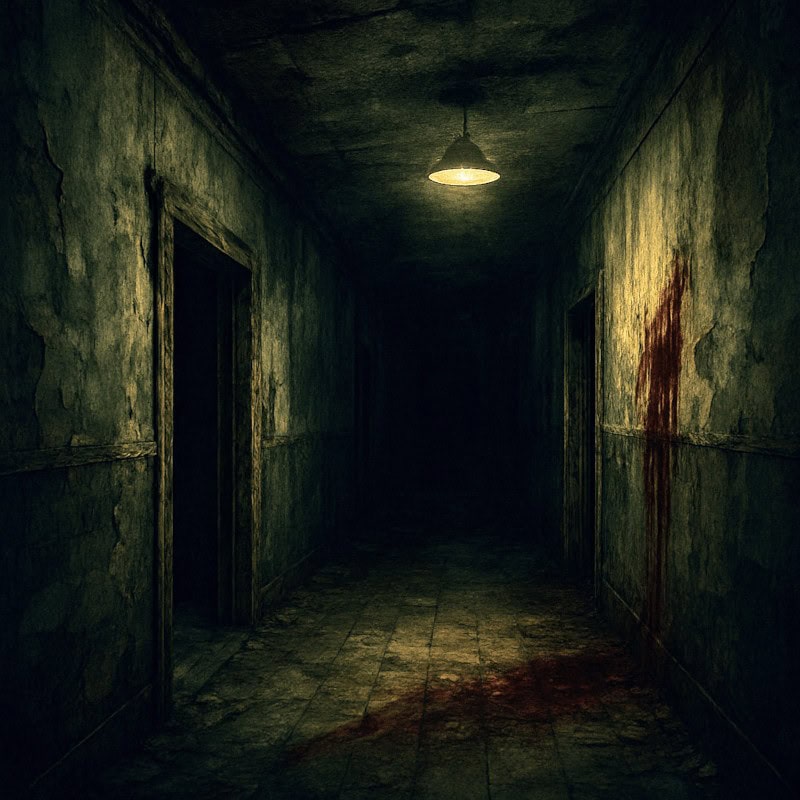
Before the monsters even appear, Resident Evil unsettles you with its crumbling walls, peeling paint, and blood-streaked tiles. Its environments reek of decay and danger. This is texture-based horror, where every cracked surface and shadowed corner feels alive. Let this inspiration guide your backgrounds into discomfort-dripping nightmares. Of course, in Resident Evil, it’s never just the walls you should fear…
Little Nightmares’ Eerie Charm
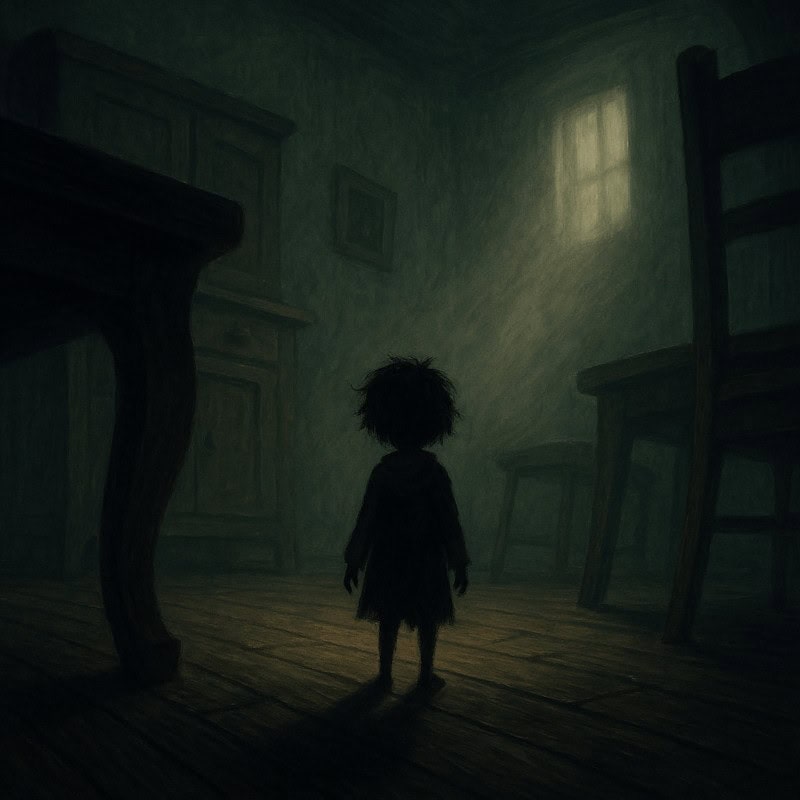
Little Nightmares proves that horror doesn’t need gore to crawl under your skin. Its oversized, surreal environments and uncanny character proportions create a distorted dreamscape, perfect fuel for horror art inspiration. Every object feels just a bit too large, every shadow stretches just a bit too far, and that constant sense of being small in a world built to swallow you whole is exactly what makes it terrifying.
As an artist, you can tap into this eerie whimsy – design scenes where scale, perspective, and warped reality do the haunting for you. Think of it as childhood nightmares stitched together with Tim Burton’s thread… and a generous pinch of sleep paralysis.
2. Creature design lessons from horror games
Great monsters aren’t just ugly – they’re carefully crafted visual nightmares designed to crawl under your skin. Horror games excel at making creatures that haunt your imagination long after you’ve put down the controller.
Mutations in motion
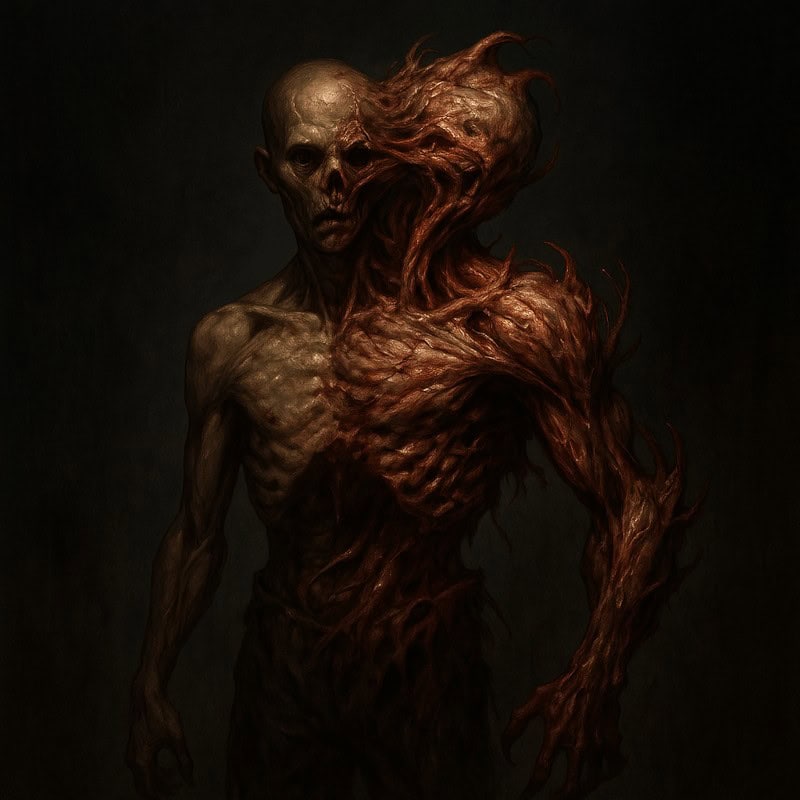
Resident Evil’s horrors don’t stay still – they mutate mid-fight, becoming more grotesque with every passing second. This evolving terror challenges artists to think beyond static designs. What if your creature shifts shape the longer someone looks at it? Sketch monsters mid-transformation – skin stretching, limbs distorting, humanity slipping away to reveal something far worse. These designs shouldn’t just scare – they should unsettle, as if your sketch is still changing long after you’ve finished it.
Stylised terror
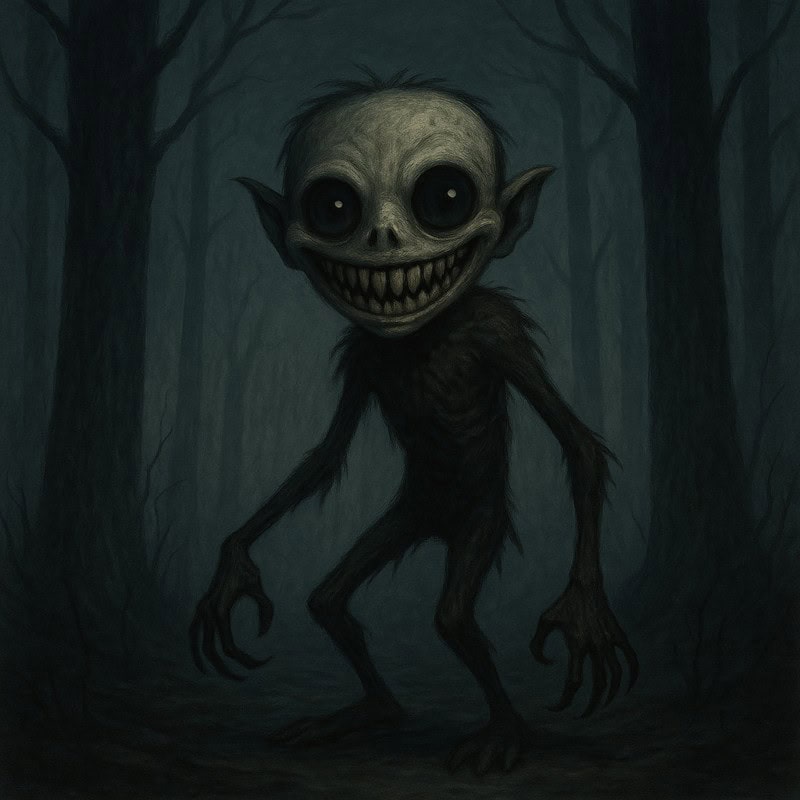
Indie horror titles often lean into stylised, symbolic horror. Think of Bramble: The Mountain King and its folklore monstrosities. They’re perfect fuel for artists wanting to experiment with exaggerated features and mythic terror. Stylisation lets you crank up the weird. Big heads, gangly limbs, exaggerated smiles – sometimes, cartoonish horror hits harder than realism because it sneaks in under your skin.
3. Visual evolution: How horror games shape artistic style
Exploring the evolution of horror games over the years shows how style and storytelling have changed.
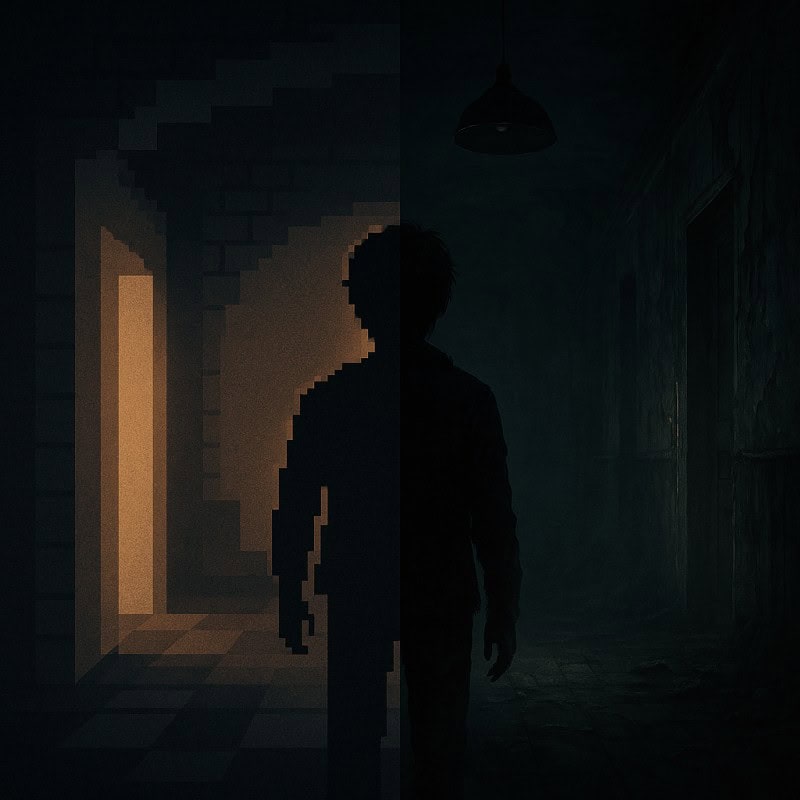
- Early pixelated horrors like Clock Tower and Alone in the Dark may seem quaint, but their limitations sparked creativity – artists had to suggest fear with limited detail.
- Modern horror like The Medium or Alan Wake 2 leans heavily into cinematic aesthetics. Use their framing, lighting, and pacing techniques in your art to create the same “uh-oh” feeling.
Conclusion: Don’t just play – study the shadows
The next time you’re creeping through a virtual haunted mansion or dodging something with too many limbs, take note. That eerie hallway? It’s a lesson in perspective and lighting. That monster? A masterclass in anatomy gone wrong.
Let horror games seep into your sketchbook. Use their eerie worlds to shape your backgrounds, their twisted creatures to inspire fresh horrors, and their tension to fuel your artistic storytelling. After all, who needs sleep when your next masterpiece might be born from digital dread?