How Surrealist Horror Art Plays With Fear and Discomfort
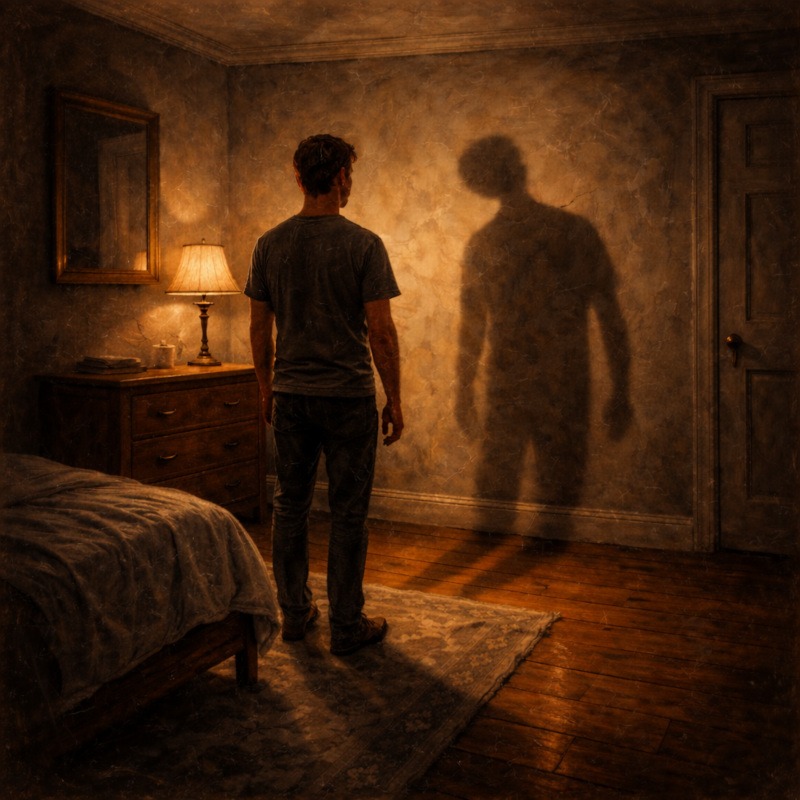
If you’ve ever looked at a perfectly normal room in a drawing and thought, “Why does this feel wrong… and why am I slightly uncomfortable about a chair?” then you’ve already stepped into surrealist horror.
Surrealist horror doesn’t rely on monsters jumping out from the page. Instead, it quietly rearranges reality. Proportions shift just enough to feel off. Shadows behave strangely. Faces look almost correct. The world remains familiar… but something about it feels unstable.
In this post, we’re exploring how surrealist horror manipulates perception, why subtle distortion is often more unsettling than gore, and how you can use dreamlike techniques to create discomfort without aggressively throwing a demon at the viewer.
What Is Surrealist Horror?
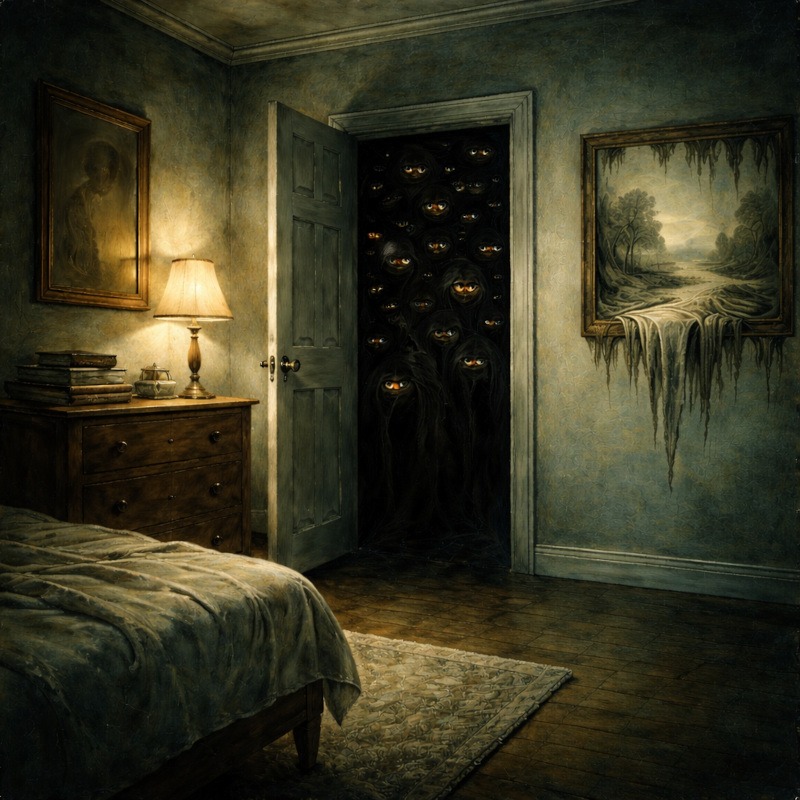
Surrealism originally explored dreams, the subconscious and irrational imagery. When surrealism intersects with horror, those dreamlike qualities become unsettling rather than whimsical.
Instead of asking, “Isn’t this strange?” surrealist horror asks, “Why does this feel slightly unsafe?”
It blends familiar environments with impossible proportions, symbolic imagery and subtle emotional tension. The key is distortion without explanation. Nothing is fully clarified. Nothing is resolved. Your brain wants answers. The artwork quietly refuses to provide them.
Reality bends quietly. And that quiet bend is what makes it effective.
Why Distortion Is So Powerful
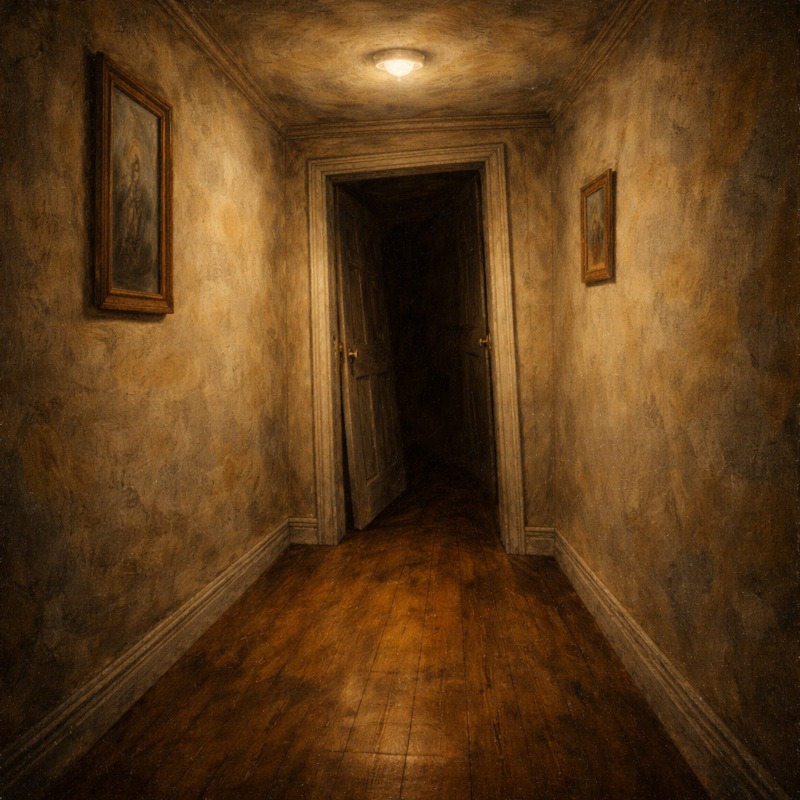
Our brains rely on patterns. We expect symmetry, proportion and logical space. When something appears almost correct but not quite, the brain hesitates.
That hesitation creates discomfort. Imagine a portrait where the eyes are perfectly drawn but sit just a fraction too high on the face. You might not immediately spot the issue, but your brain refuses to relax.
For example, eyes placed just a little too high on a face, a hallway that narrows impossibly, or a shadow that does not match the object casting it. These small shifts often linger longer than exaggerated monsters because they feel plausible.
It’s the difference between “That creature is terrifying” and “Why does that completely normal person look… slightly incorrect?”
Familiar + Unfamiliar = Unease
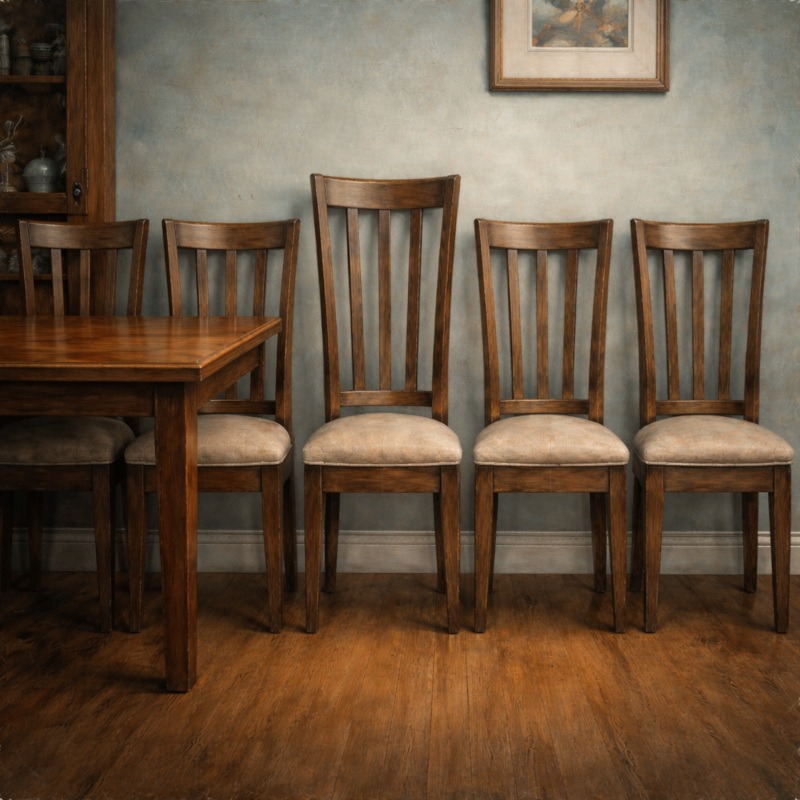
One of the strongest tools in surrealist horror is combining ordinary elements with subtle abnormalities.
A simple bedroom becomes unsettling if the perspective tilts slightly. A kitchen feels wrong if objects repeat in places where they shouldn’t. A figure blending almost seamlessly into the wall creates tension without obvious threat. The viewer sees it, then questions whether they actually saw it.
Nothing needs to jump out at the viewer. The discomfort comes from contradiction, familiar structure, and unstable logic.
When something looks safe but behaves unpredictably, the brain stays alert. And sustained alertness is deeply uncomfortable.
Symbolism and Subconscious Fear
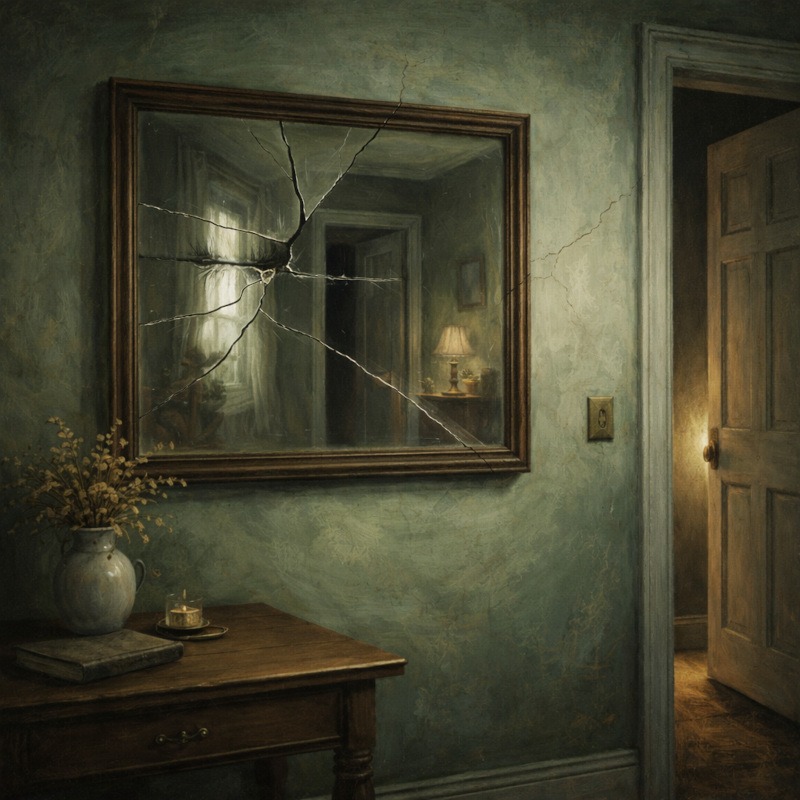
Surrealist horror frequently uses symbolism rather than direct danger.
Mirrors can represent fractured identity. Doors may symbolise uncertainty. Masks suggest hidden emotion or loss of self. And a vague shadow can be more unsettling than a clearly labelled monster.
The power lies in suggestion. When meaning is left slightly open, viewers project their own fears onto the image. And personal fear is always more powerful than generic fear.
Lighting, Space and Psychological Imbalance
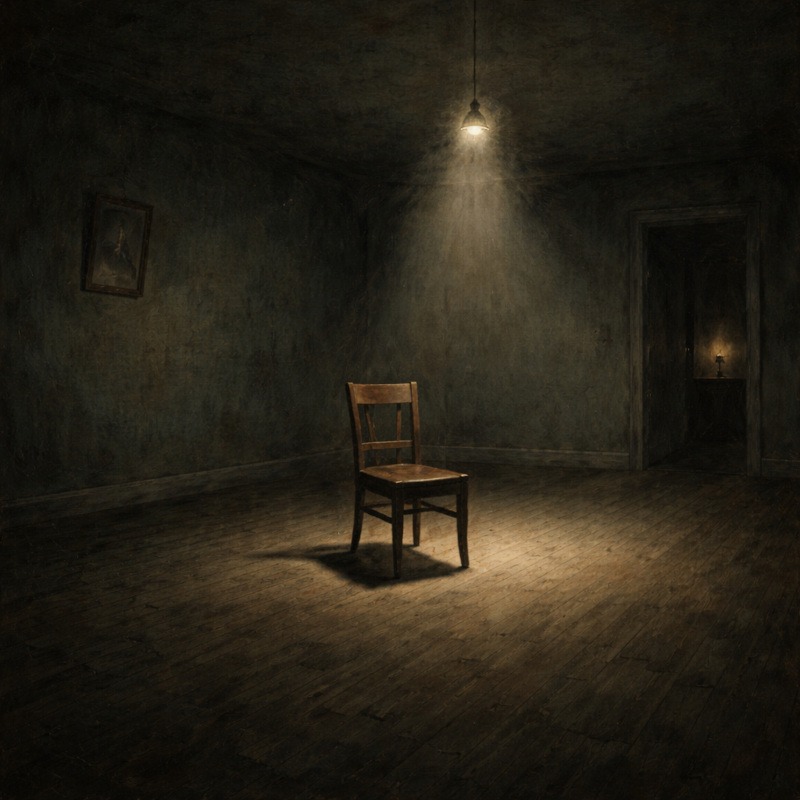
Lighting plays a major role in surrealist horror. A bright highlight in the wrong place can draw attention to subtle distortion. Harsh shadows can exaggerate otherwise normal forms. Large areas of negative space can create isolation.
Space itself can feel threatening when it is unbalanced. A room that feels too empty can be just as unsettling as one that is overcrowded.
When perspective shifts subtly or spatial logic feels slightly off, the viewer senses instability even if they cannot explain it.
Think of it as architectural gaslighting. The room insists it is fine. Your brain disagrees.
If you want to understand how light placement alone can change a scene from calm to deeply unsettling, take a look at my Shading & Lighting tutorial series, where I break down how contrast, shadow direction and subtle value shifts can completely alter emotional impact. In surrealist horror, lighting is rarely dramatic for spectacle; It’s used to quietly destabilise the viewer.
Common Mistakes with Surreal Horror
One mistake is exaggerating everything. If every object is distorted, the viewer adapts quickly, and the discomfort fades.
Another mistake is confusing surrealism with randomness. Surrealism is intentional, and the distortion should feel deliberate rather than accidental. If everything is strange, then nothing feels strange. Controlled restraint is what makes the shift unsettling.
The most effective surreal horror maintains a strong structure while slightly bending it. Controlled wrongness is significantly more powerful than chaotic collapse.
If it looks like gravity packed up and left entirely, you may have gone too far.
Sketch Exercise: Subtle Distortion
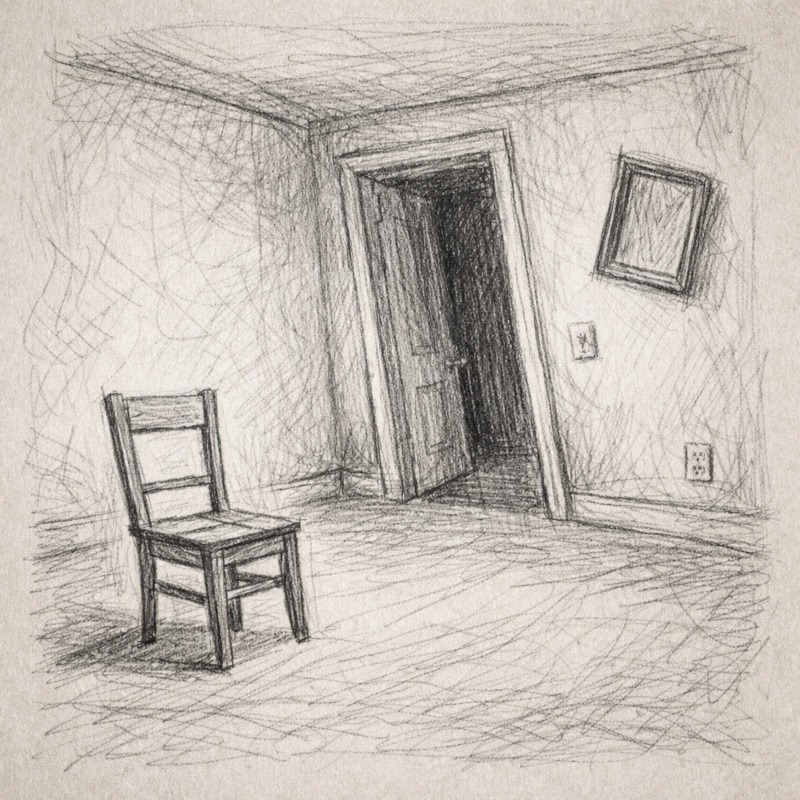
Let’s apply this practically:
Step 1:
Draw a normal object, such as a chair, a mirror or a doorway. Keep it realistic.
Step 2:
Slightly alter one element. Make the chair legs uneven slightly or tilt the doorway slightly to create an unstable feeling. The key is restraint. If someone can instantly point to what is wrong, you’ve gone too far.
Step 3:
Adjust the lighting so that a shadow behaves inconsistently with the object.
Step 4:
Add one repeating or misplaced detail, such as a second handle or a reflection that does not match reality. Keep everything else believable. The power comes from contrast, not chaos.
Step 5:
Step back and reduce anything that feels too obvious. The goal is quiet discomfort, not dramatic spectacle.
If the drawing makes you pause longer than expected, you’re on the right track. If it looks like the laws of physics resigned in protest, dial it back.
Conclusion
Surrealist horror works because it doesn’t attack the viewer directly. It waits. And that patience is what makes it linger. It destabilises them gently. By bending reality instead of breaking it, it creates a tension that lingers long after the first glance.
When familiar spaces feel unreliable and subtle distortions go unexplained, the viewer’s brain works overtime trying to resolve the imbalance. That effort creates unease far more effectively than obvious threats. The goal isn’t chaos. It’s controlled instability.
If you learn to control proportion, lighting and space with intention, you gain a powerful tool. Sometimes horror doesn’t need claws or fangs. Sometimes it just needs a door that feels slightly too narrow… and a shadow that refuses to behave.
What You Learned:
- Surrealist horror blends dreamlike imagery with subtle distortion.
- Small shifts in proportion and symmetry create cognitive discomfort.
- Familiar settings become unsettling when slightly altered.
- Symbolism allows viewers to project their own fears.
- Controlled distortion is more effective than chaotic exaggeration. Subtlety gives the viewer space to imagine something worse.
Continue Exploring Dark & Macabre Art
If surreal distortion fascinated you, explore how horror aesthetics evolved historically:
Or examine how specific creators shaped modern fear:
- H.R. Giger – The Architect of Beautiful Nightmares
- Zdzisław Beksiński – Painting the Beauty of Desolation
- Junji Ito – The Master of Psychological and Body Horror
And if you’re exploring genre boundaries, don’t miss: