Animals can move, run and survive thanks to their muscles, just like us. Muscles may seem complicated, but once you understand how they work and how they shape an animal’s body, drawing them becomes much easier. Muscles are the unsung heroes making every movement happen, from a graceful gallop to the dramatic stumble animals pretend didn’t happen afterwards. Learning how muscles work helps you build believable creatures with stronger poses, better structure and much more personality.
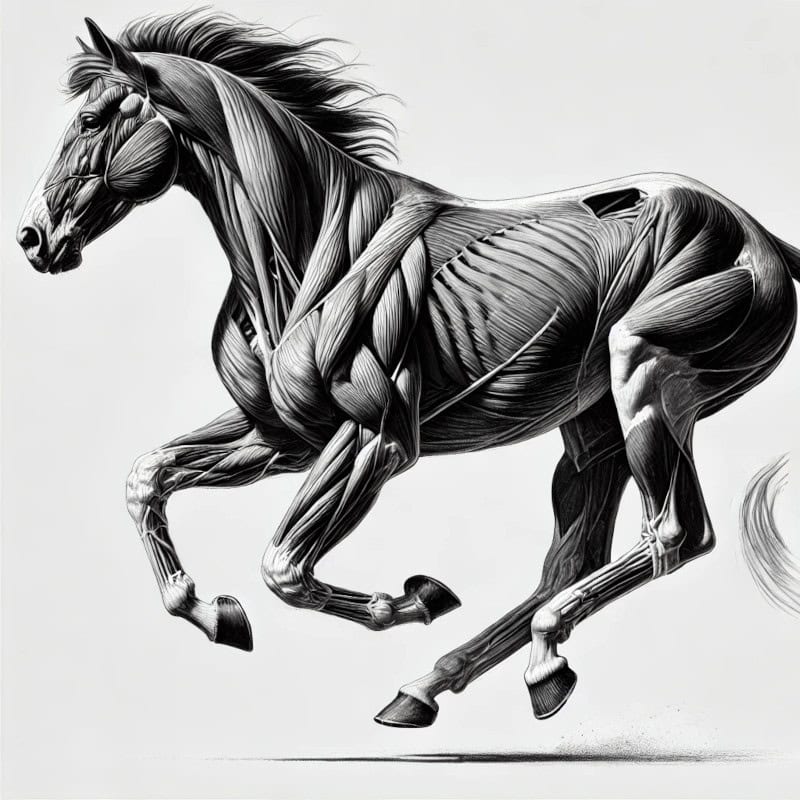
1. Understanding muscle tension and function in animals
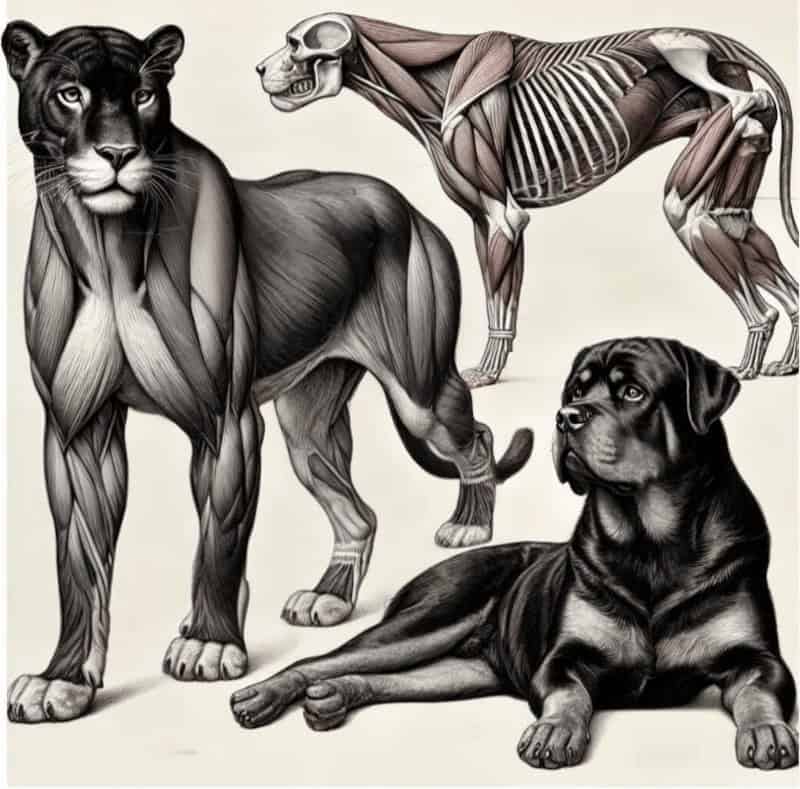
Muscles aren’t just there to make animals look cool (though a flexing big cat is undeniably impressive). They define posture, movement, and expression – whether it’s a panther coiled and ready to pounce or a dog dramatically collapsing after their fifth zoomie lap. Understanding muscle tension helps you capture not just an animal’s shape, but its attitude.
- The Role of Muscles in Shaping an Animal’s Body
- How Muscle Tension Affects Posture, Expression, and Movement
- Differences in Muscle Tone Between Resting and Active States
2. how Animals move (and why it matters)
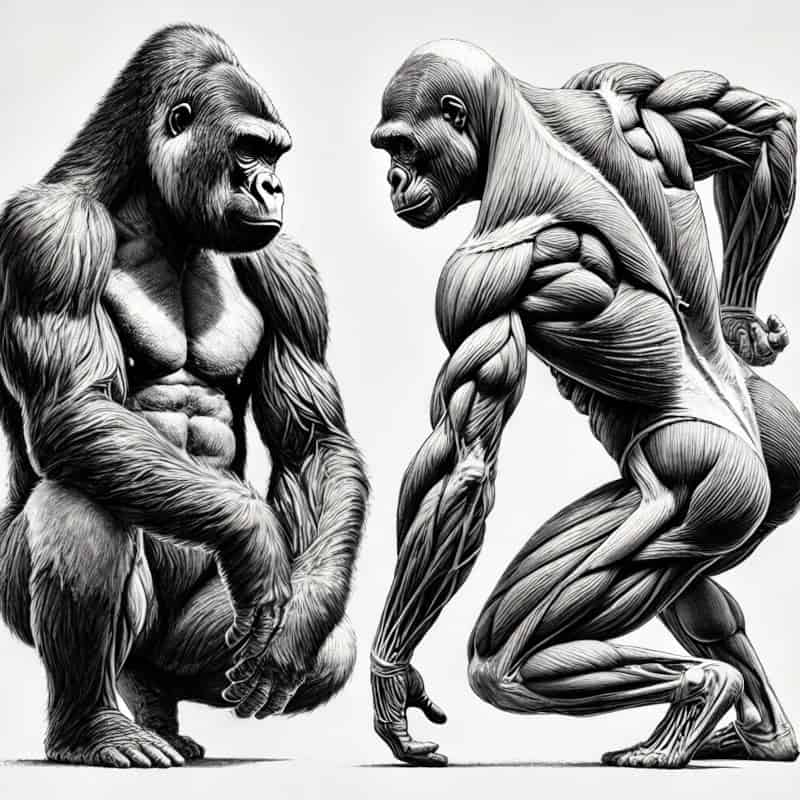
Every animal moves differently, and if you’ve ever seen a cat do that weird sideways crab-walk thing, you know some creatures take movement to the next level of chaos. Muscles stretch and contract depending on what they’re doing – relaxed, tensed, sprinting, or climbing up your curtains.
- Relaxed vs. Tensed Muscles: How muscles appear in different states.
- Stretching & Contracting: How muscles function in actions like running, jumping, or climbing.
- Comparing Different Animals: Quadrupeds (e.g., dogs, cats, horses) vs. bipeds (e.g., birds, primates).
3. Breaking down animal movement
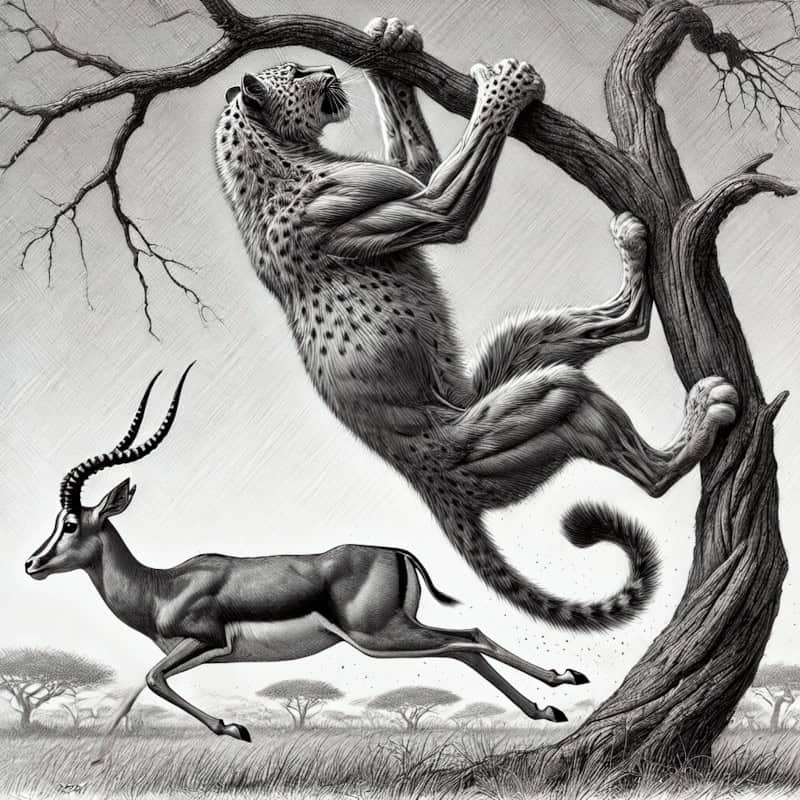
Capturing movement is all about knowing when to freeze the action – unless you’re drawing a sloth, in which case, congratulations, you’ve mastered still life. For more dynamic creatures, understanding how muscles behave in motion keeps them from looking like a weirdly animated gummy bear.
- Static Poses: Muscles in a resting position.
- Action Poses: How muscles change during movement.
- Foreshortening & Perspective: How positioning, depth, and movement influence how muscles are seen.
4. Fixing muscle & movement mistakes in animal art
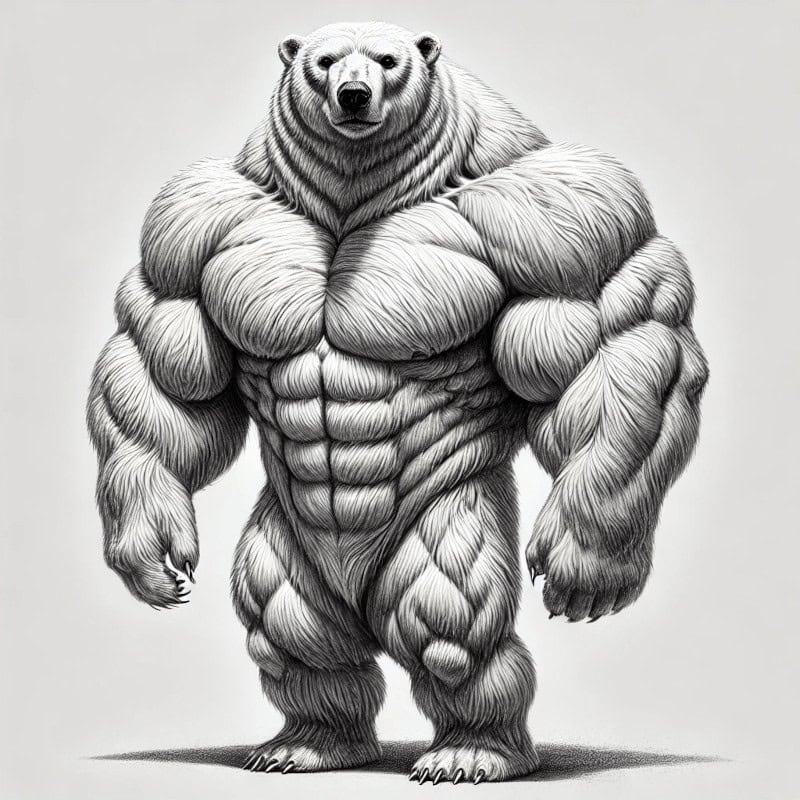
Muscle mistakes happen. Maybe your horse looks like it’s been skipping leg day for years, or your wolf has a set of mystery muscles that exist nowhere in nature. It’s fine – we’ve all been there. The key is spotting these issues and knowing how to fix them.
- Overexaggerated or Underdeveloped Muscles
- Stiff Poses from Incorrect Muscle Placement
- Misinterpreting Foreshortening and Perspective
conclusion
Mastering muscle structure and movement is the secret sauce to bringing animal drawings to life. With a little practice (and maybe a few cursed sketches along the way), your creatures will go from awkward blobs to dynamic beasts. Keep observing, experimenting, and embracing the weird.
After all, even the creepiest horror icons started as a humble scribble.
Keep it weird, stay spooky, and let your creatures move like they mean it.