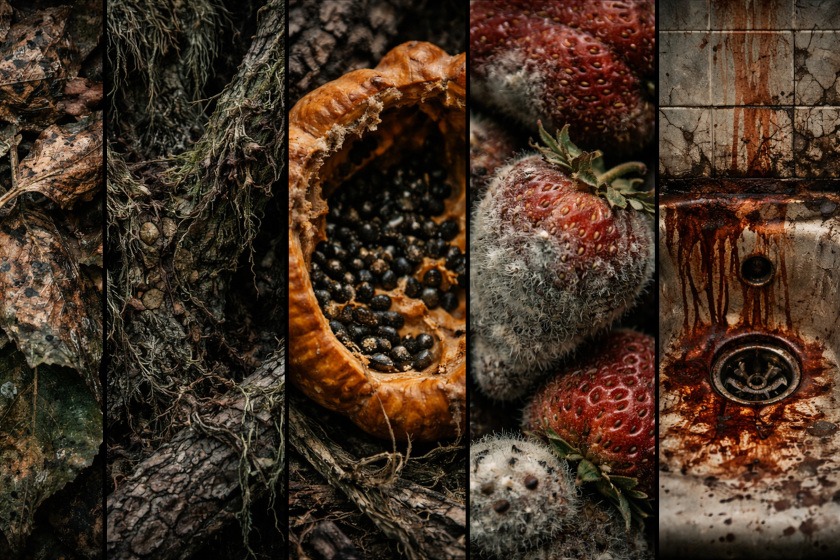
Real-World Texture Reference Photos for Horror Art
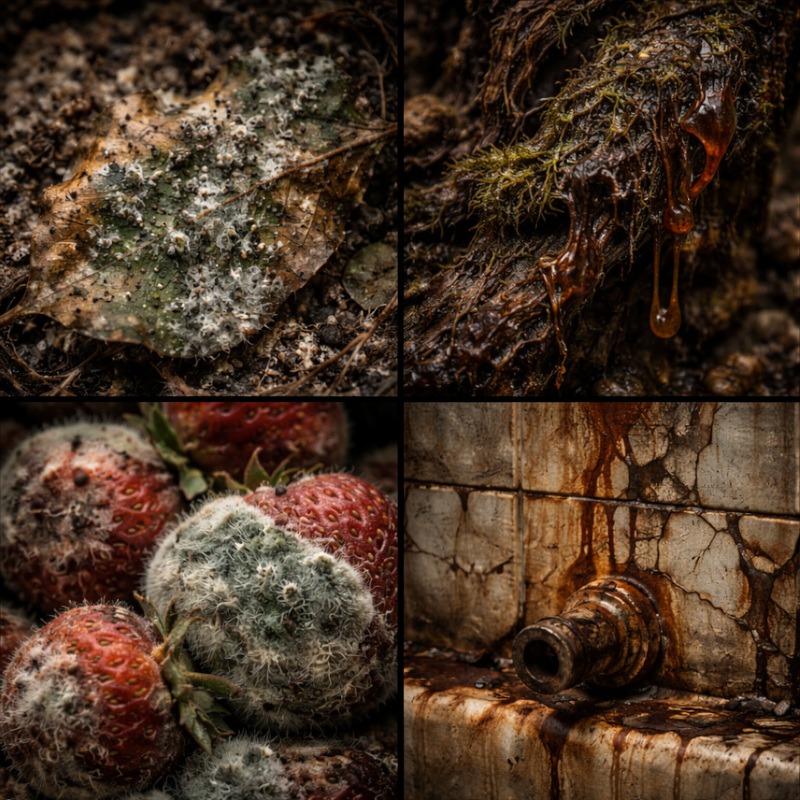
Not all horror reference comes from dramatic ruins, cursed objects, or places that look like they have been abandoned for decades.
Some of the most effective horror textures come from very ordinary things, especially when you look at them closely enough to notice the details you would normally ignore. Plants, fruit, leaves, and natural surfaces can seem completely harmless at a glance, yet become deeply unsettling once texture, damage, and irregularity start to reveal themselves.
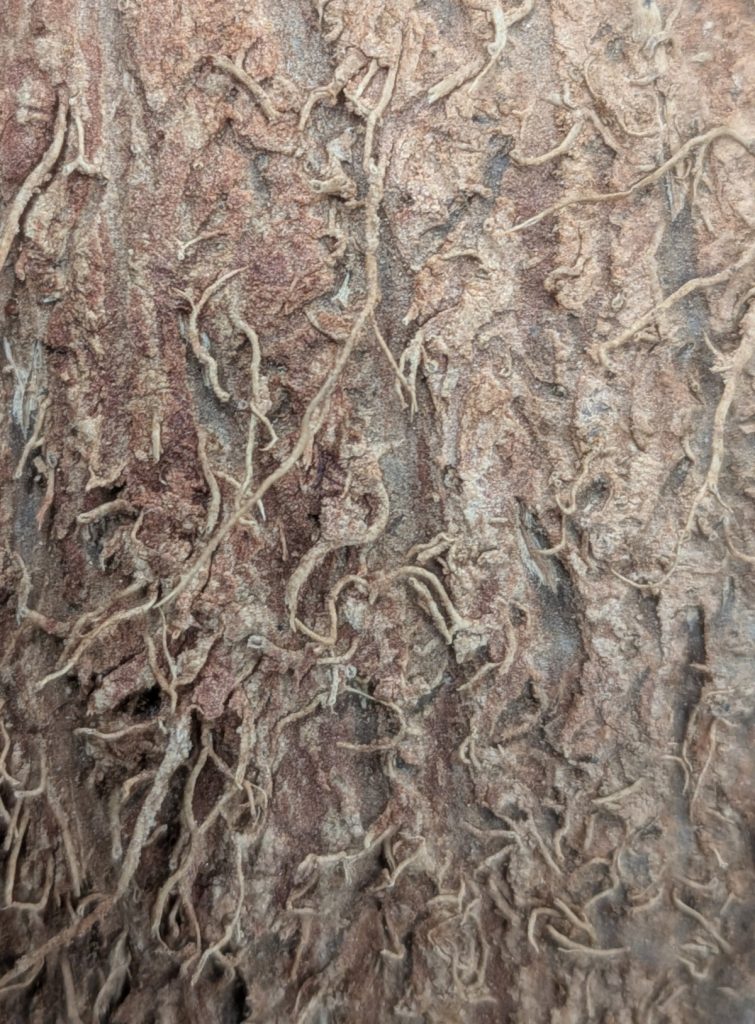
This page is a curated gallery of real-world texture photos I have taken myself, shared as visual reference for artists. These images are here to help you study surface detail, organic patterns, and subtle imperfections that can be applied to horror art, creature design, and unsettling illustrations.
There are no downloads, no pressure, and no expectation to use these images perfectly. They exist purely as visual reference. Think of this page as a place to observe, study, and quietly reflect on how ordinary things can become uncomfortable when viewed up close. This page exists because at some point I looked too closely at very normal things and thought, “Well. That’s ruined forever.”
How to Use These Images
These photos are intended for art study and reference, not for copying line-for-line or tracing directly.
You can use them to:
- Study surface texture and organic detail
- Inspire shading, damage, and material effects
- Apply similar patterns to your own drawings
You should not:
- Trace them directly
- Redistribute or sell the images themselves
Think of these images as texture teachers rather than instructions. A little observation goes a long way.
Why Ordinary Textures Work So Well for Horror
Textures taken from everyday objects feel believable because they are real. They are uneven, imperfect, and inconsistent in ways that are difficult to invent convincingly from imagination alone.
When something looks familiar but behaves visually in an unexpected way, it creates discomfort. That discomfort is exactly what horror art thrives on.
You don’t need extreme distortion or exaggerated detail. Often, it is the quiet irregularities that make a surface feel alive, damaged, or wrong.
1. Organic Plant & Natural Surface Textures
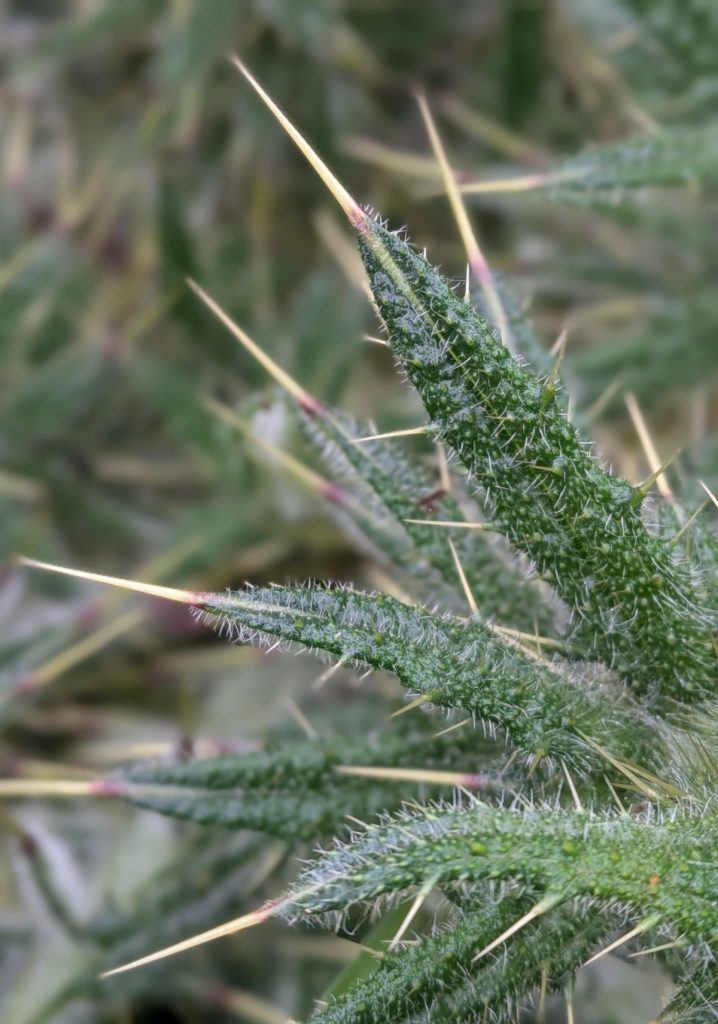
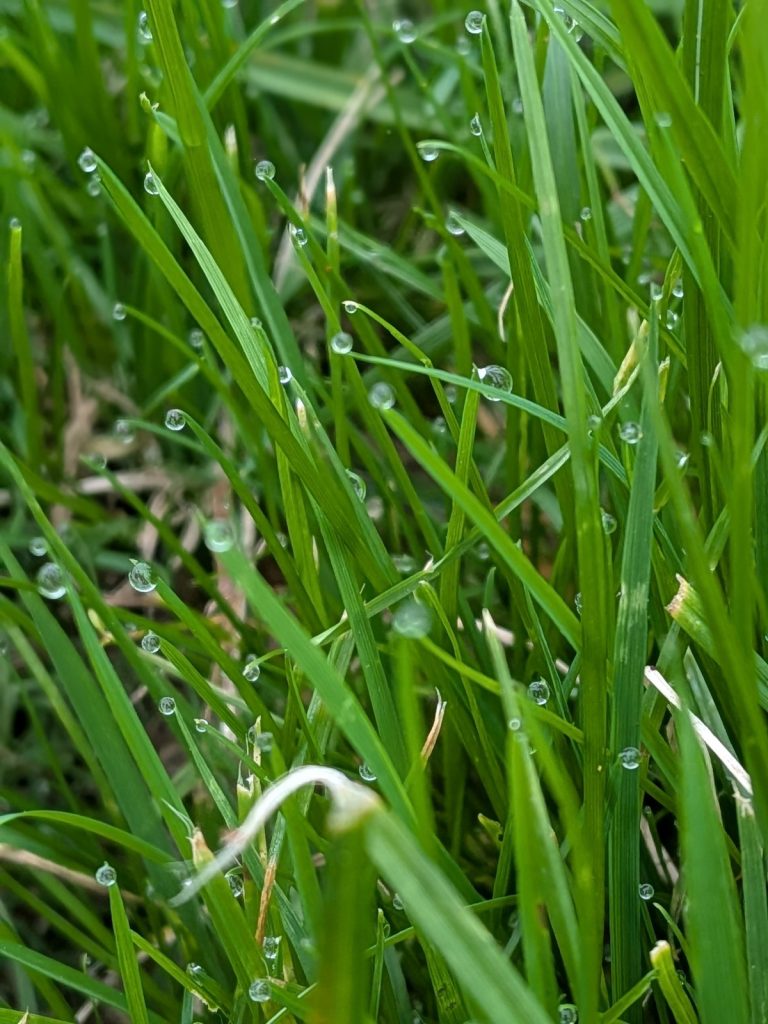
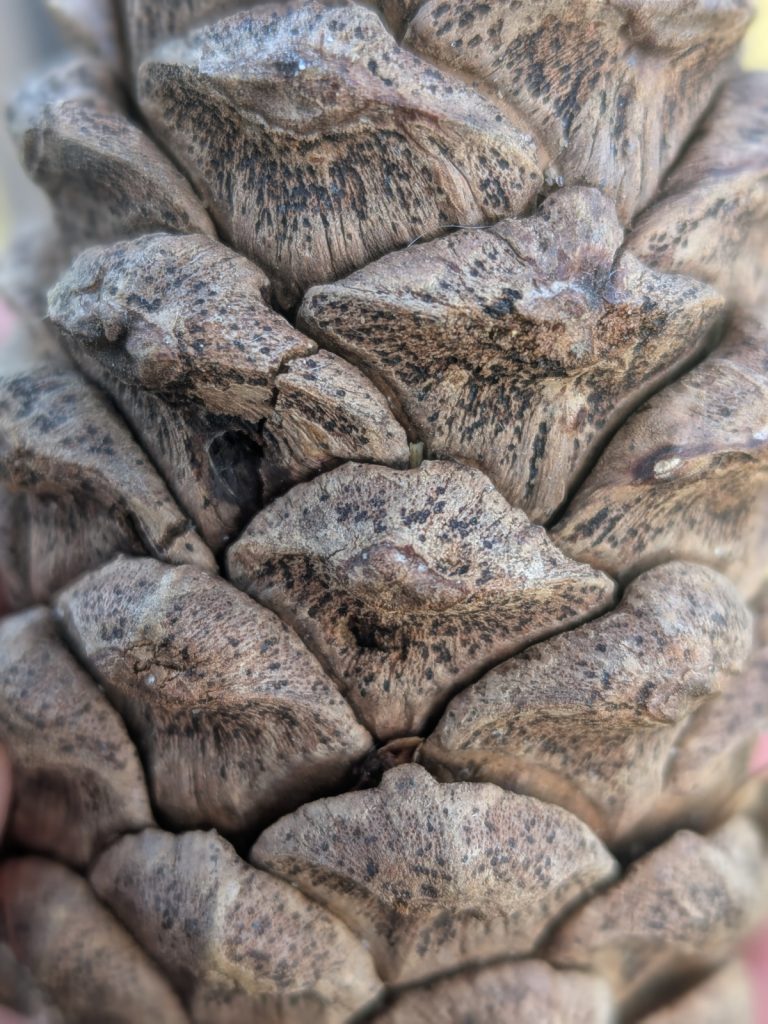
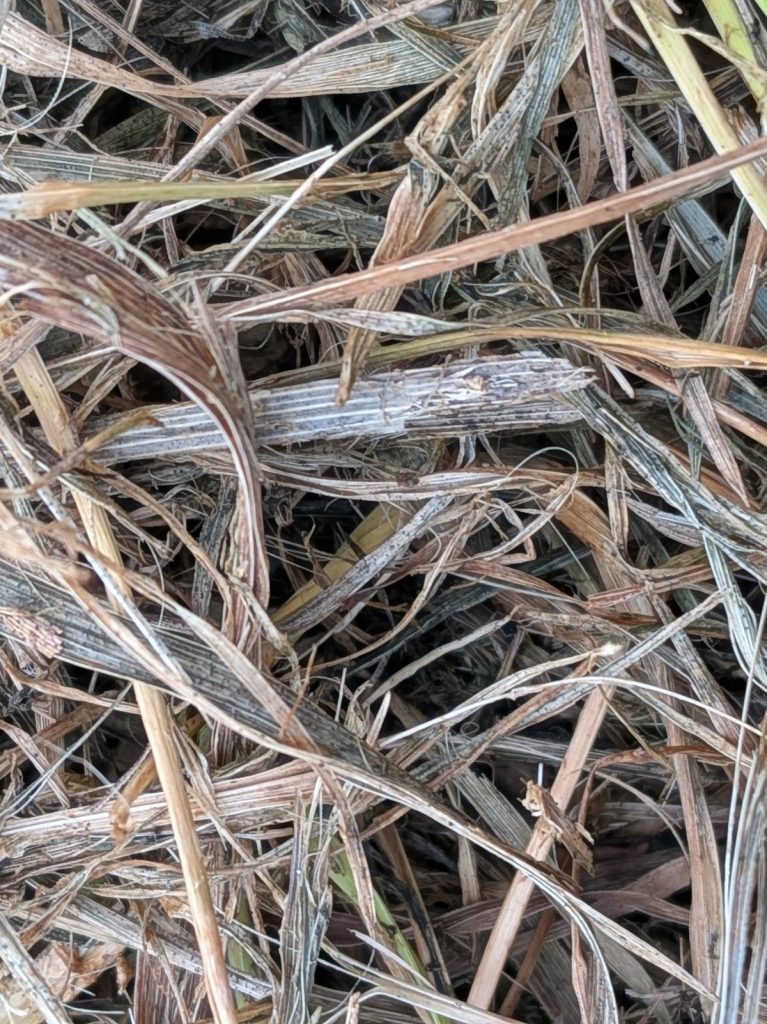
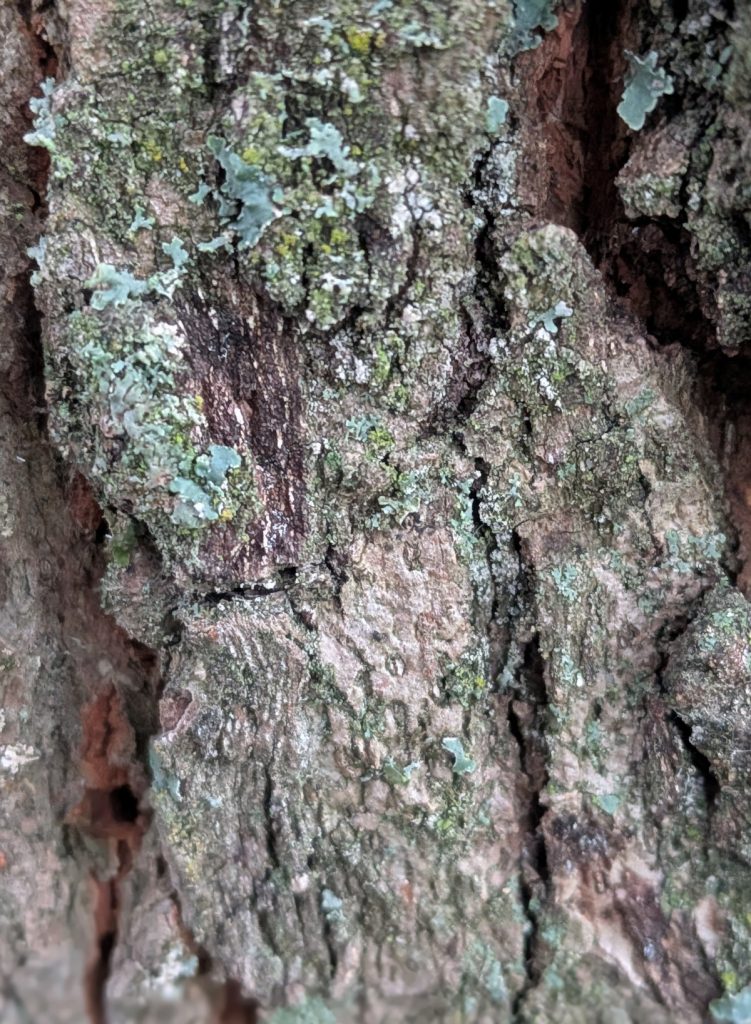
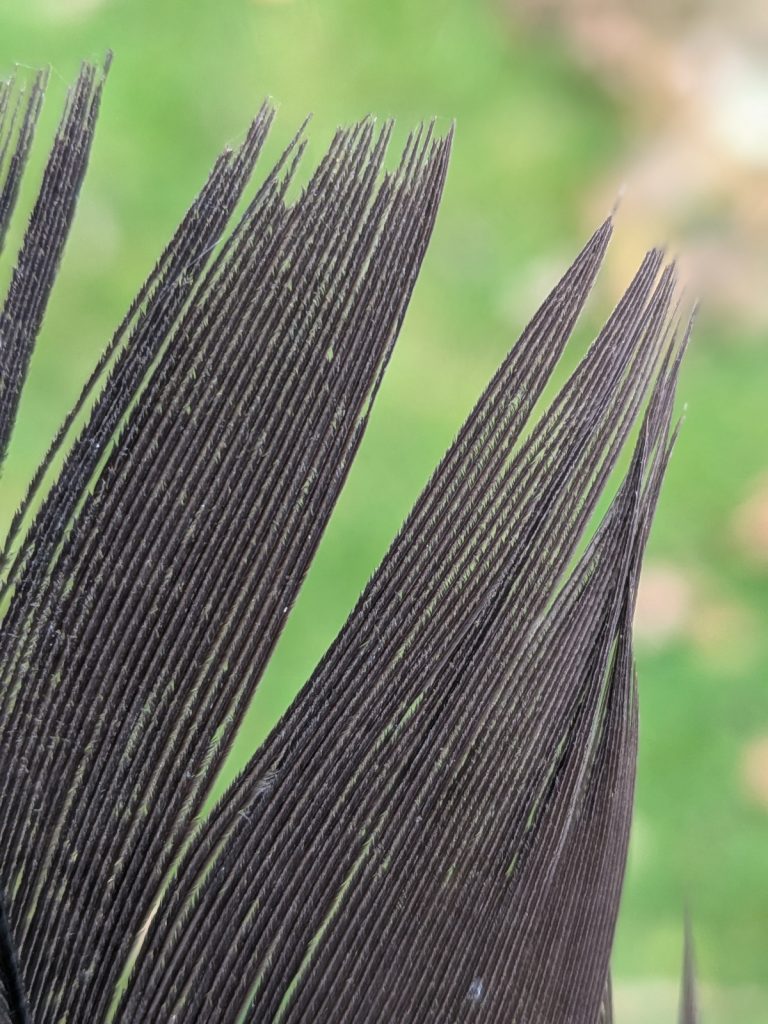
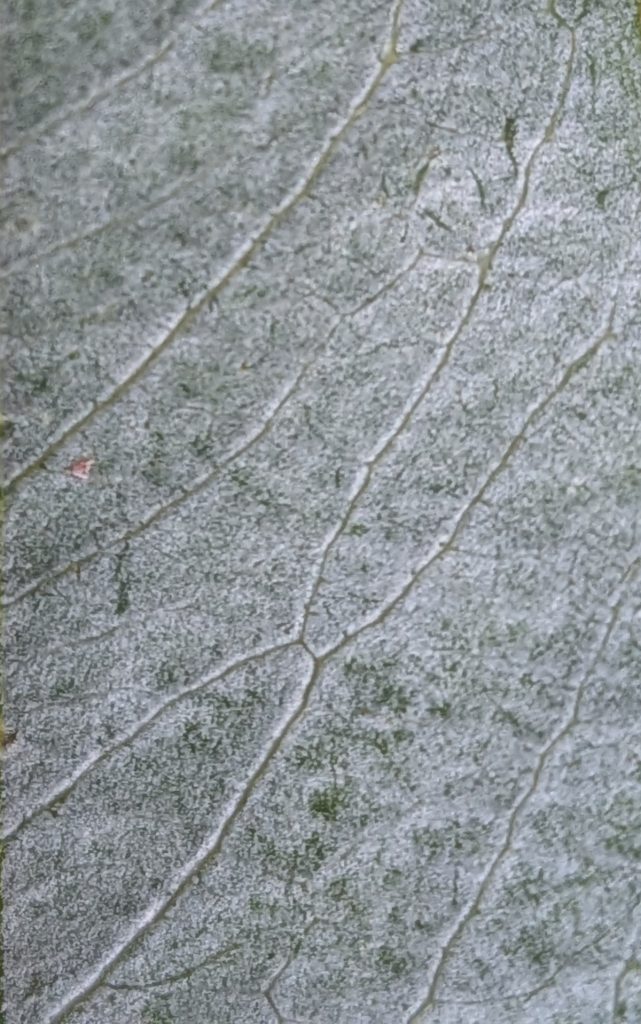
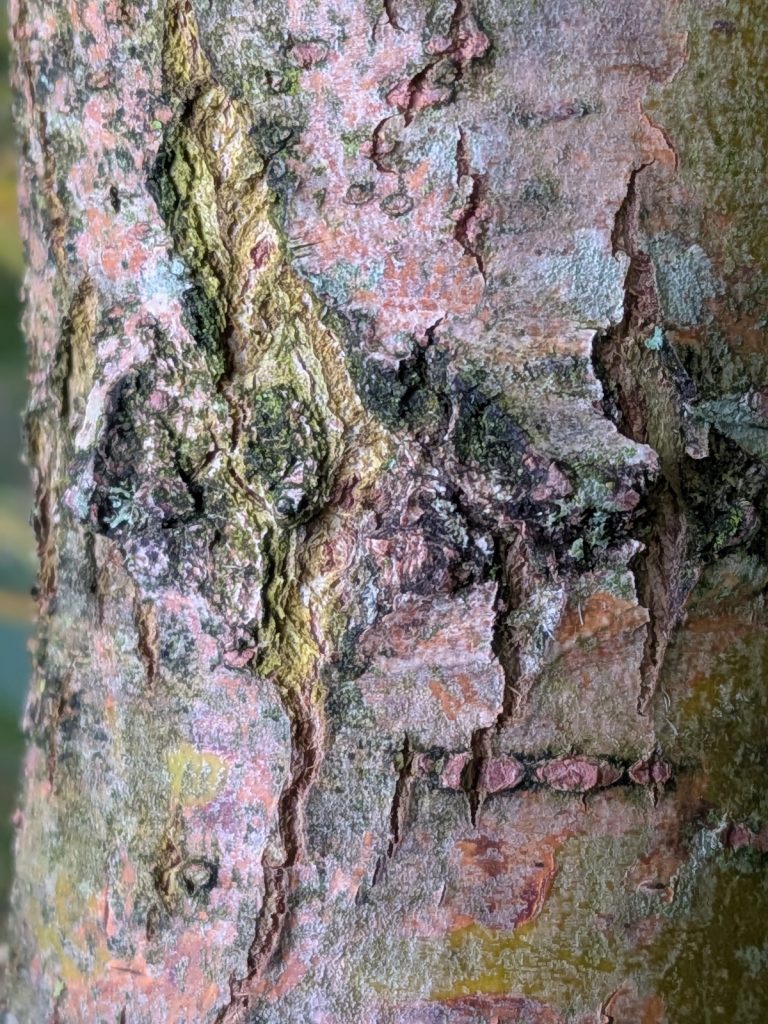
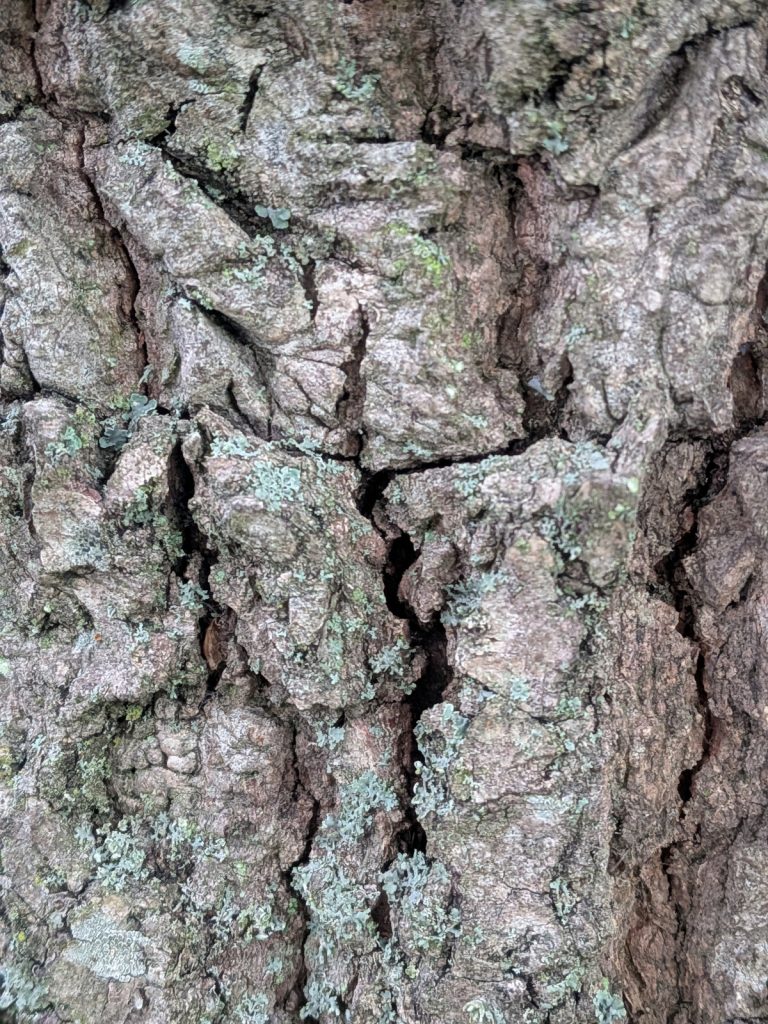
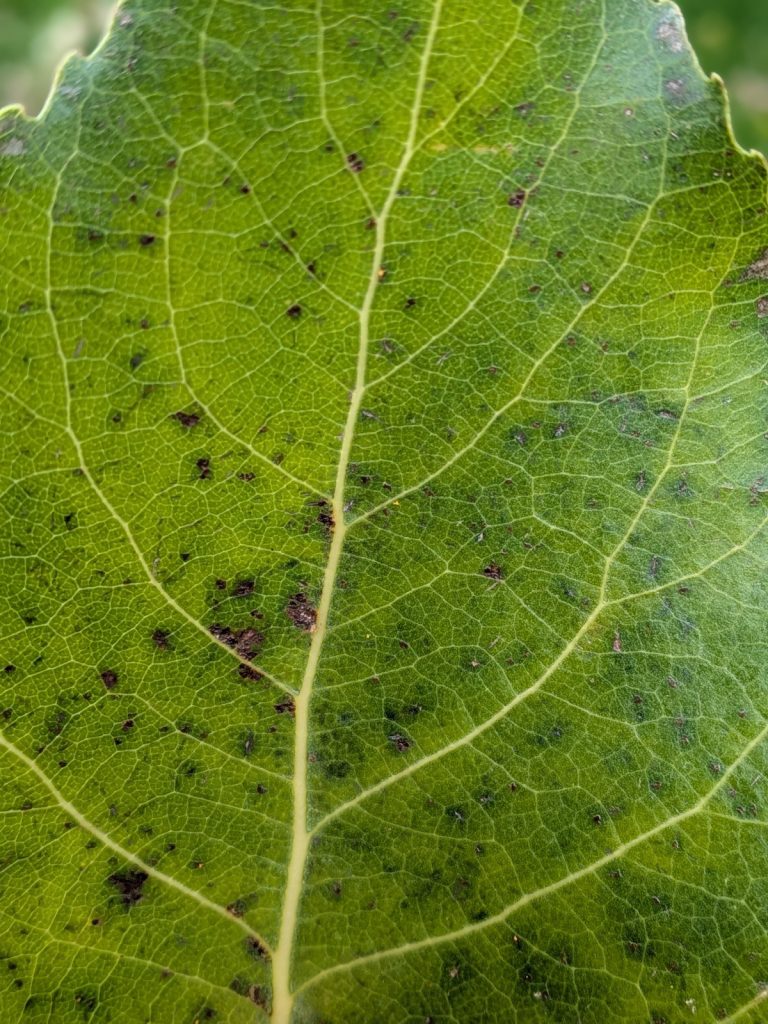
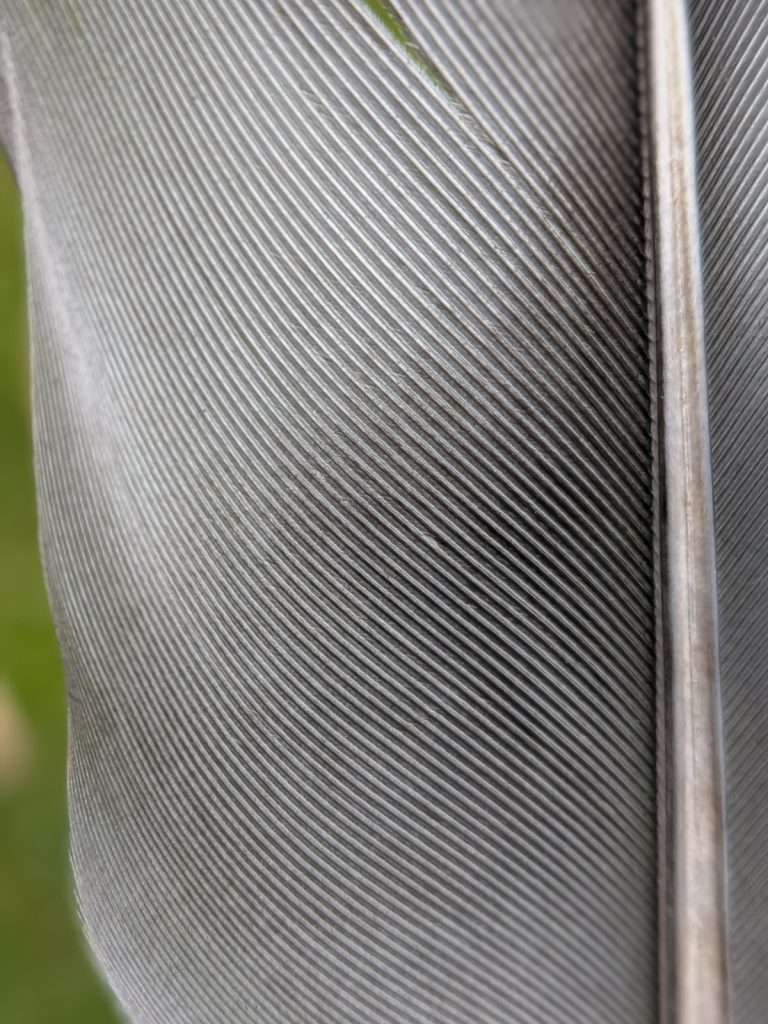
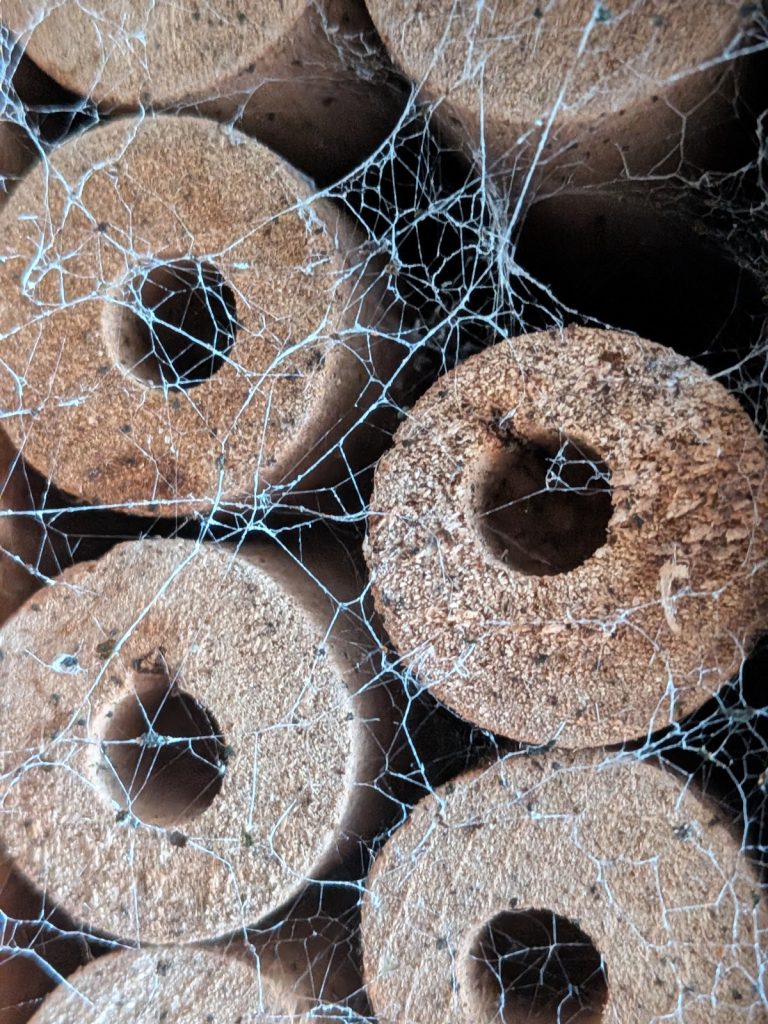
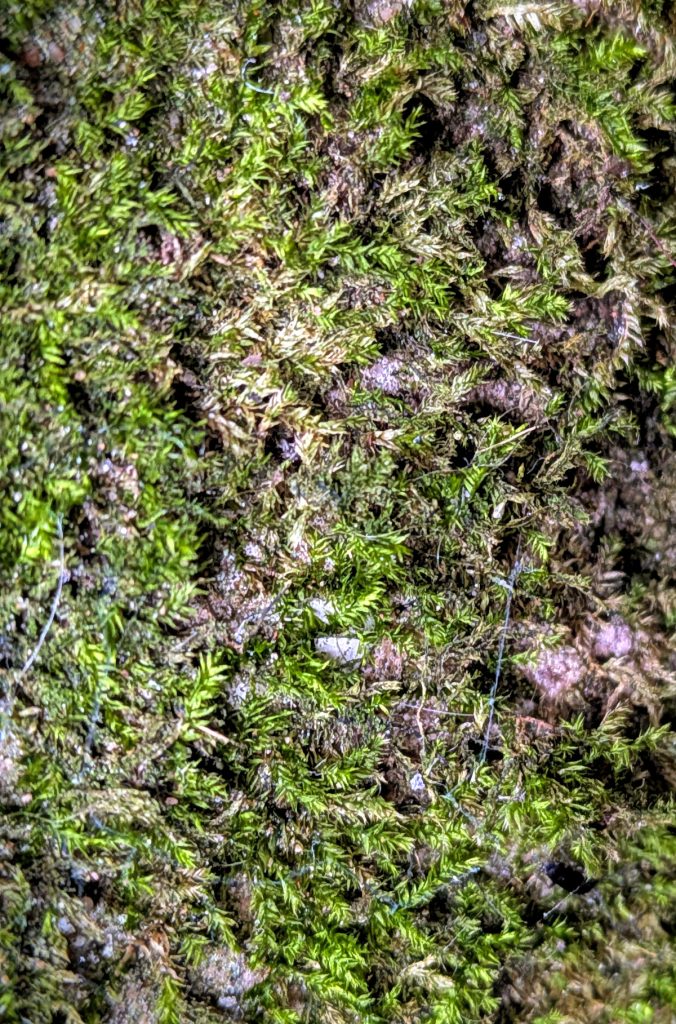
Nature is an excellent source of texture, whether it intends to be or not.
Up close, even ordinary plants are full of:
- Fine lines
- Surface noise
- Tiny bumps and fibres
- Unexpected sharp details
These textures work especially well for creature skin, mutations, and organic horror designs because nothing in nature is perfectly smooth or evenly spaced. That natural irregularity instantly makes a surface feel believable.
Nature is not neat, and horror benefits from that.
2. Close-Up Fruit & Vegetable Textures
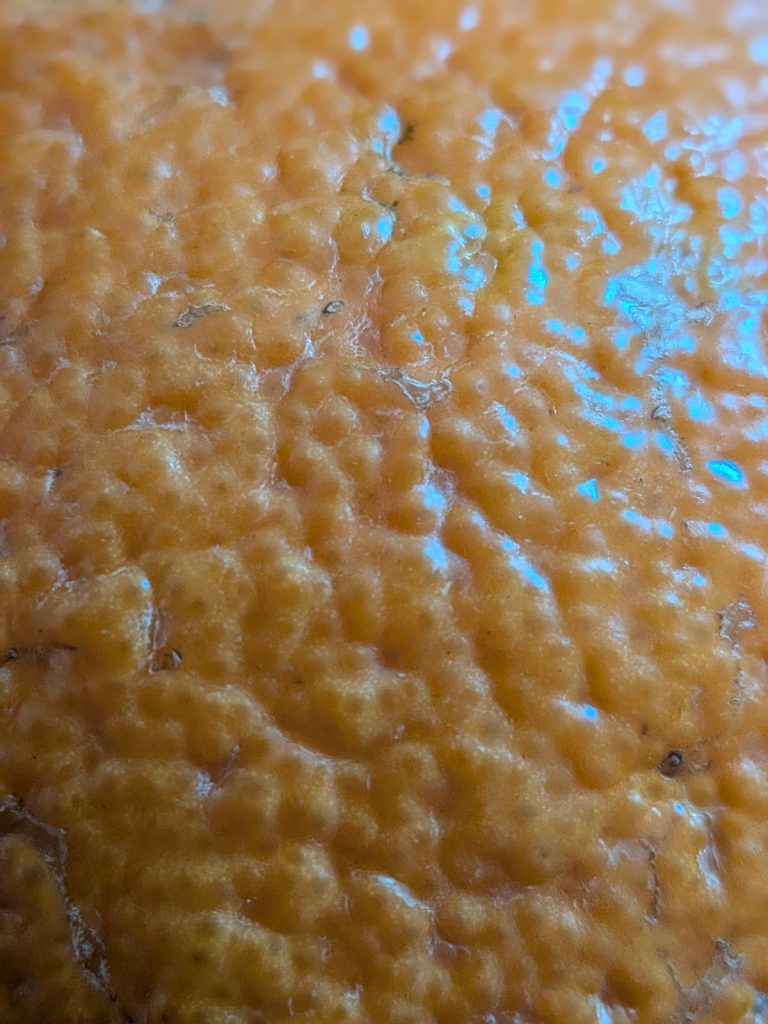
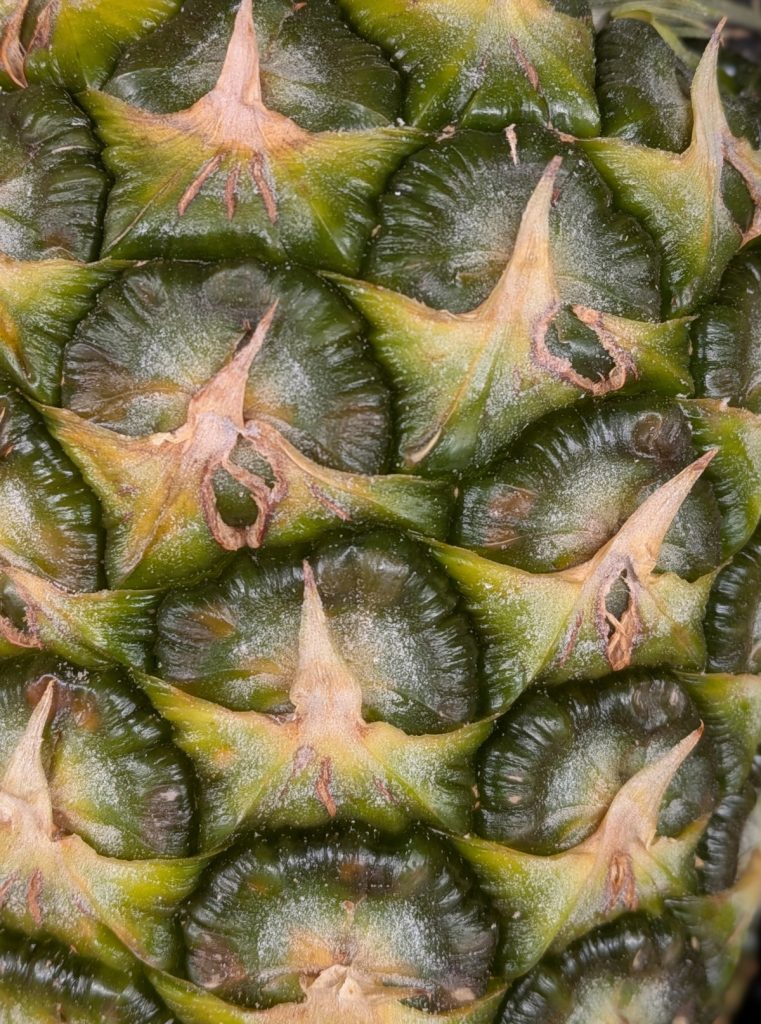
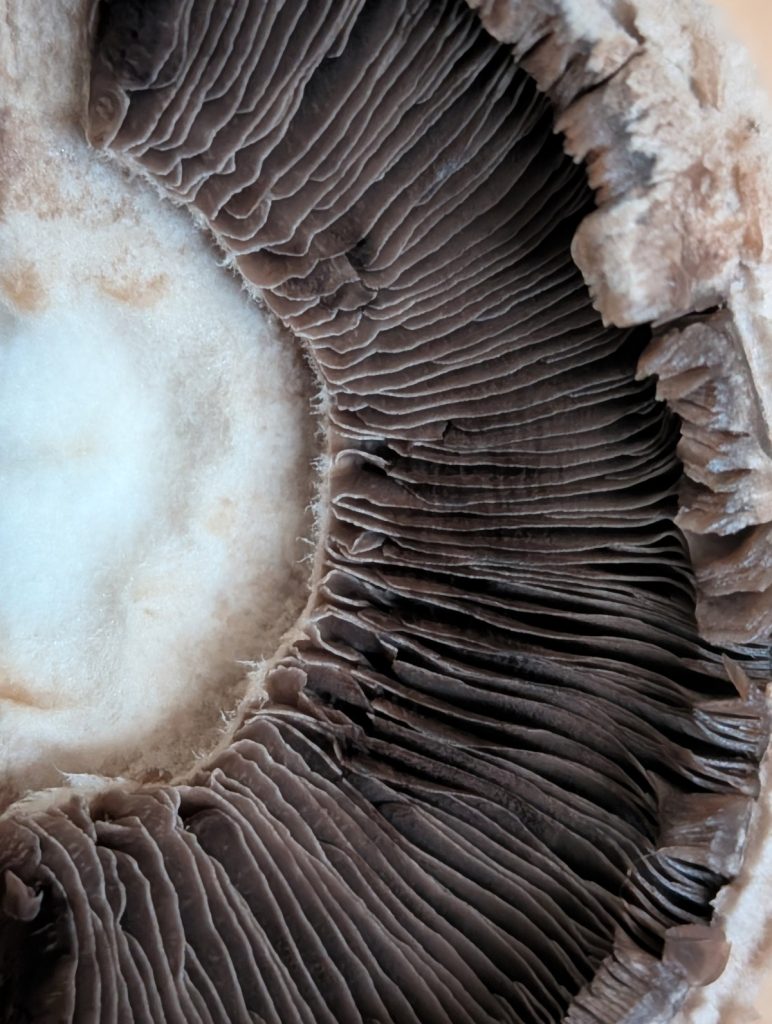
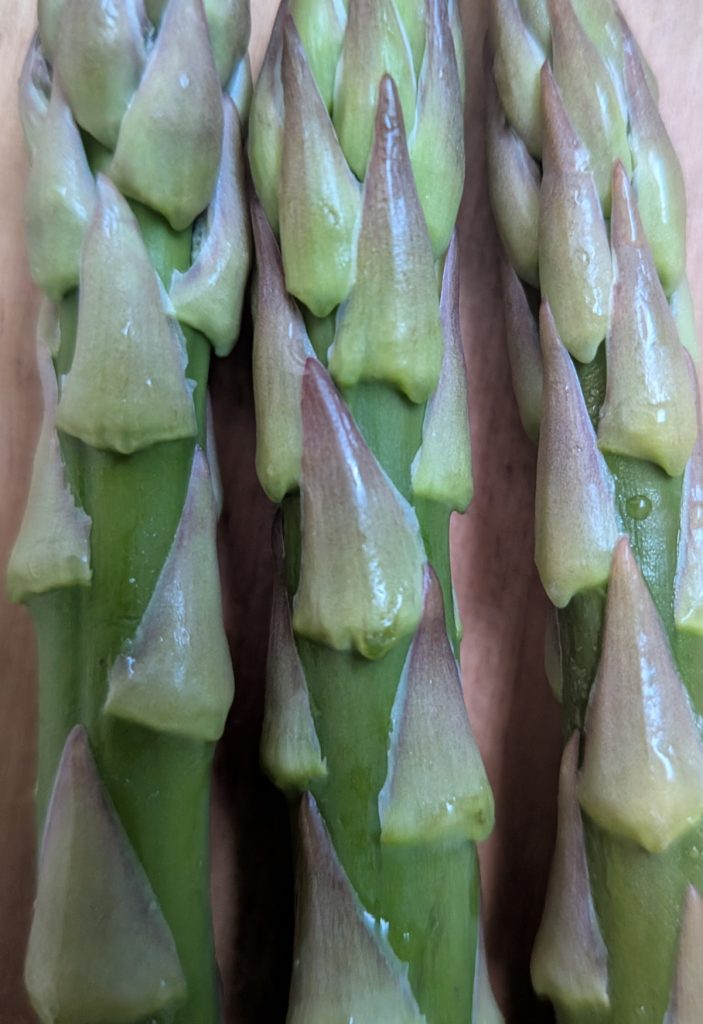
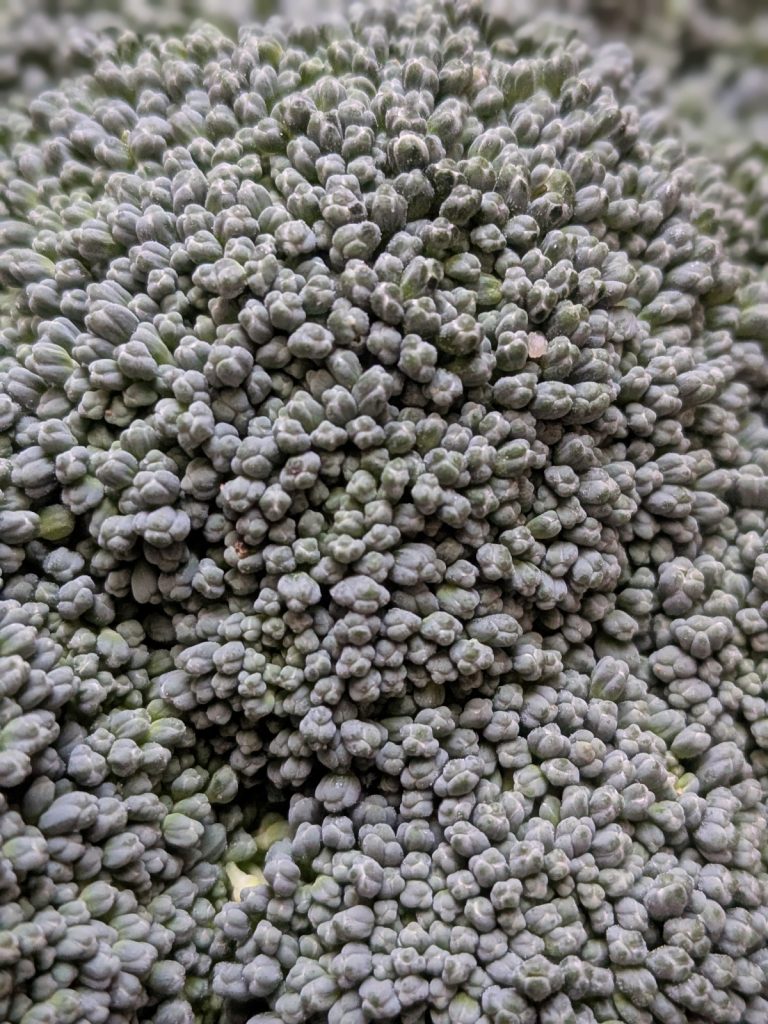
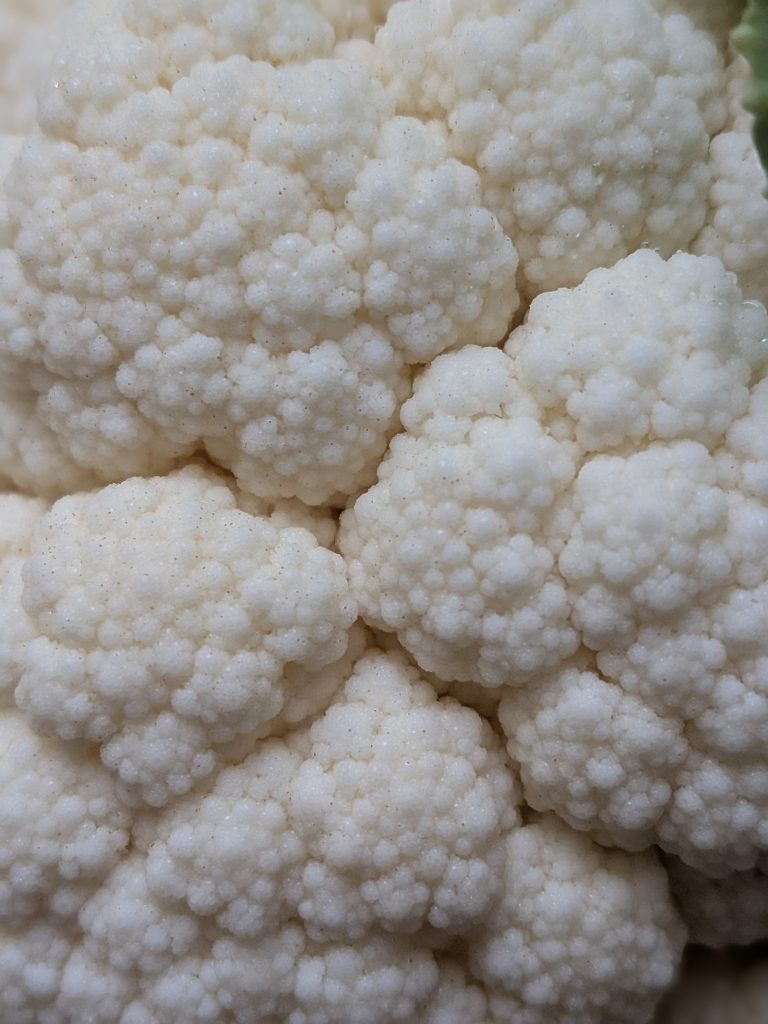
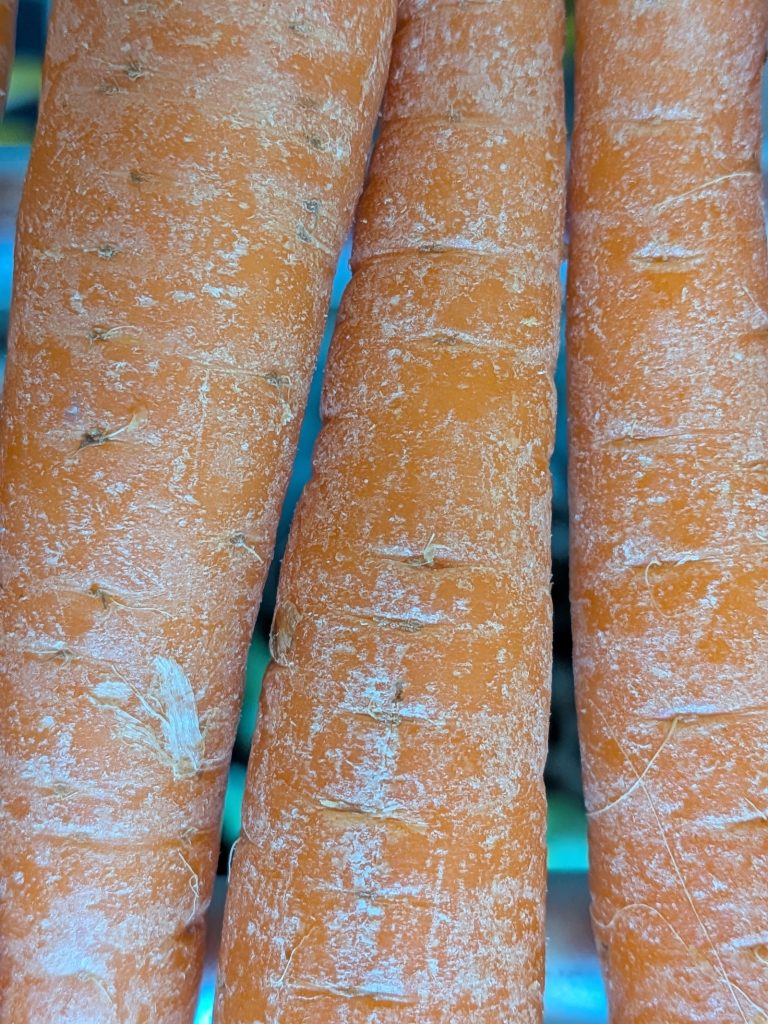
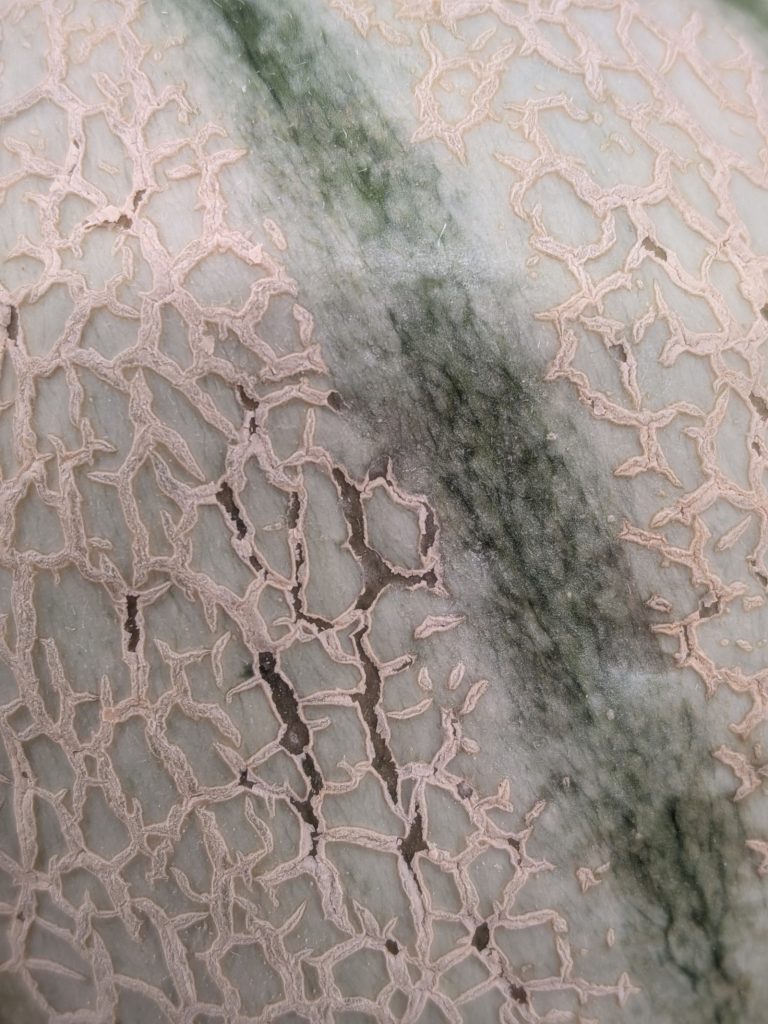
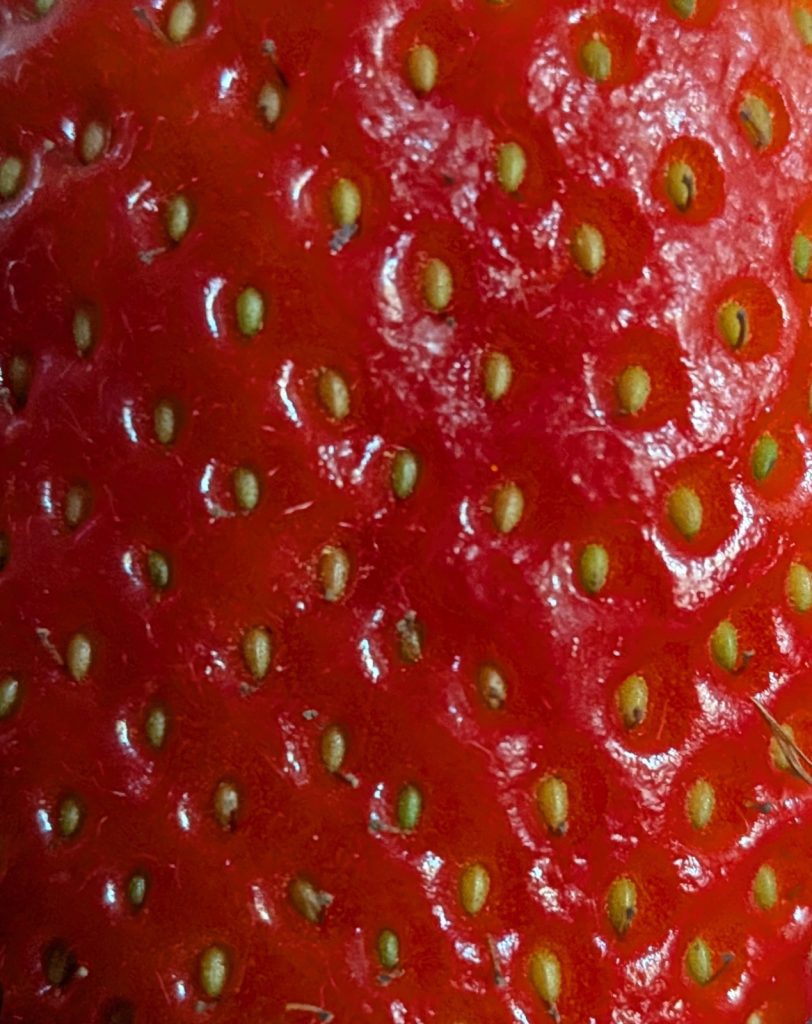
Fruit and vegetables are surprisingly effective horror references when viewed up close, particularly once you stop thinking of them as food.
They are full of:
- Pores and pits
- Soft flesh next to tougher skin
- Moist or slightly translucent surfaces
- Bruising, pressure marks, and uneven colour
Seeds can resemble clustered growths, pulp can suggest internal structures, and bruising makes an excellent reference for damage and decay. When studied closely, these textures feel fragile, vulnerable, and slightly wrong, which is exactly why they work so well.
Once you stop thinking of them as edible, they start looking… unfortunate.
How These Textures Can Be Used in Horror Art
These textures are especially useful because they feel alive, uneven, and organic when studied closely.
They make strong reference for:
- Diseased or infected skin
- Mutated creatures
- Exposed or internal organic textures
- Soft horror elements that feel fragile or wrong
Nothing here is perfectly smooth, and that lack of perfection is what makes the texture believable.
Studying Texture Without Overthinking It
You don’t need to memorise every detail in these photos.
When studying them, focus on:
- The direction lines and patterns travel
- Where texture clusters or thins out
- How light catches raised areas
- Where shadows naturally fall
Try asking yourself what stands out first. Those are usually the details worth borrowing.
A quick sketch of a small section is often more useful than trying to recreate the entire surface.
What You Learned:
- Everyday plants, fruit, and surfaces make excellent horror texture reference
- Organic textures are naturally uneven and imperfect
- Studying texture is about observation, not copying
- You don’t need complicated references to create convincing horror
Explore More Texture & Reference Guides
These reference images are part of a small collection of posts focused on observation, texture, and inspiration.
You can also explore:
- Using Real-World Textures for Horror Art
Learn how to turn real-world surfaces into believable horror textures in your drawings. - Photographing Real-World Textures for Horror Art
See how to photograph your own texture references using everyday surroundings. - Websites for Horror Reference and Inspiration
Explore curated online resources for creepy visuals, textures, and horror-friendly inspiration. - How to Use Art References Effectively (Without Killing Your Creativity)
A guide to studying references intentionally, helping you turn textures and inspiration into stronger horror artwork.