Master the Art of Drawing Realistic Animals
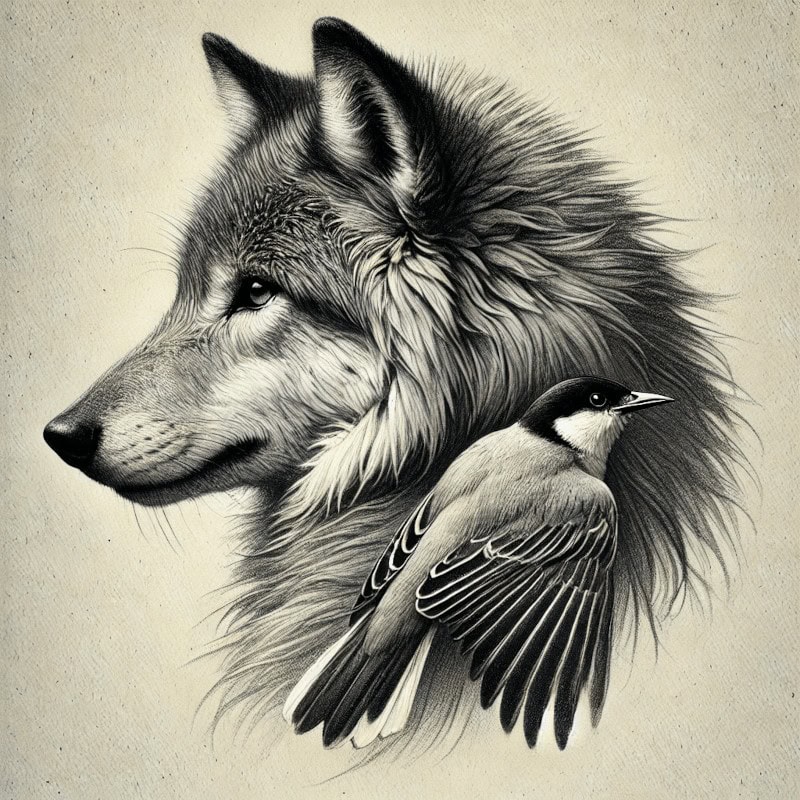
Ever tried to draw a wolf and somehow ended up with a weird-looking cat-dog hybrid? Don’t worry – we’ve all been there. Welcome to the Animal Drawing Hub, your ultimate guide to mastering the fundamentals of animal drawing (without accidentally creating cryptids… unless that’s your goal).
Whether you’re sketching majestic mammals, eerie reptiles, or deep-sea horrors that exist in the abyss, this hub will break down proportions, anatomy, movement, and textures to help you bring creatures to life with confidence and accuracy.
If you want to master realism before venturing into horror adaptations, this is the ideal starting point. From capturing the textures of fur and feathers to depicting scaly creatures that seem to gaze into your soul, you’ll learn how to portray lifelike details. Afterwards, you can decide whether to keep your animals realistic or transform them into eldritch horrors
1. Basic animal anatomy: proportions & Skeletal structures for drawing
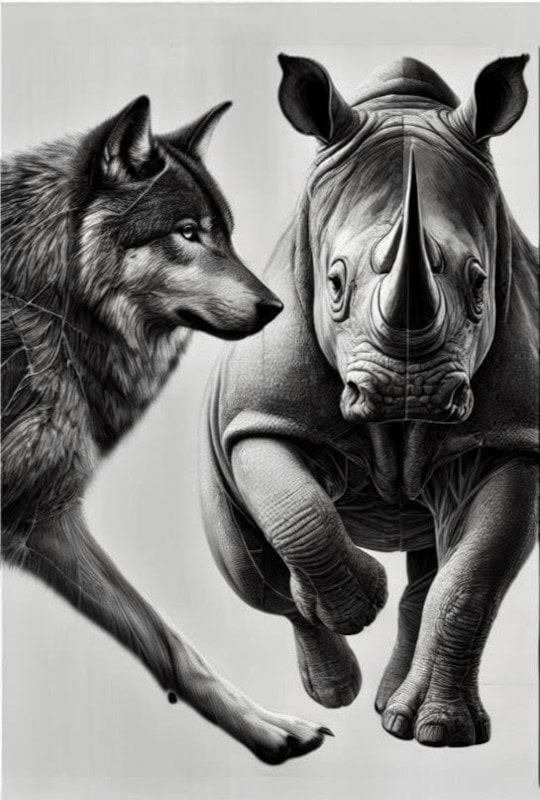
Understanding animal anatomy is the foundation of strong creature design. This section covers skeletal structure, proportions, and movement, providing the essential knowledge needed before diving into species-specific tutorials
- Covers real-world animal proportions, skeletal frameworks, and movement. These are essential for realistic animal drawing techniques.
Ready to take your anatomy skills further? Animal Anatomy in Drawing is for those wanting to explore exaggerated proportions, skeletal warping, and horror creature anatomy.
2. Muscle structure & movement for illustrating animals
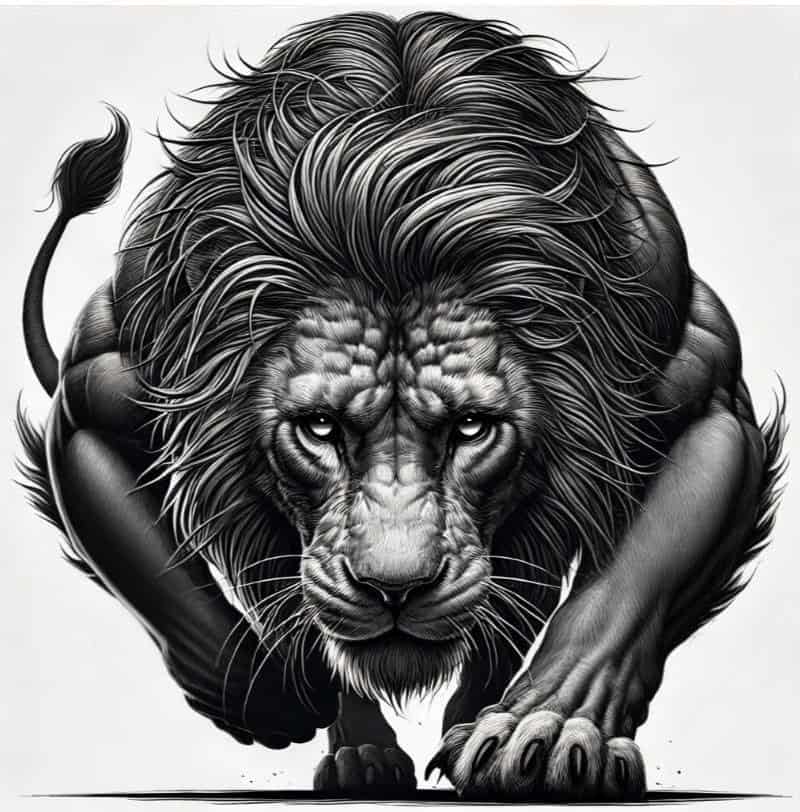
Muscles don’t just make animals move – they also determine whether a creature looks powerful, graceful, or unsettlingly stiff (like it just saw something it wasn’t supposed to).
- Learn how muscles shape movement and expression to make animals look more realistic and dynamic.
- Master muscle tension to create creatures that stalk, pounce, or lunge like the apex predators they are.
- Explore layering techniques for realistic muscle depth, because nothing ruins a powerful lion sketch like noodle legs.
3. How to simplify animals into shapes for drawing
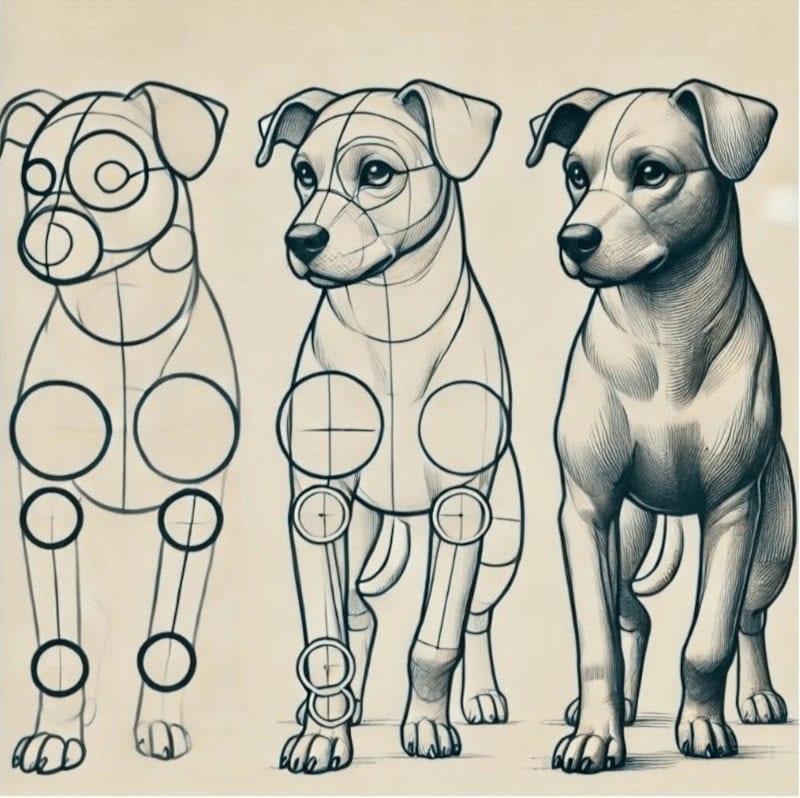
Not ready to dive into fully detailed anatomy? Start by breaking animals down into basic shapes.
- Learn how to break down complex forms into simple, manageable shapes.
- Perfect for beginners or those looking to sketch quickly before refining details.
- A great warm-up exercise before attempting more detailed anatomical structures.
4. Step-by-step guides for drawing specific animal types:
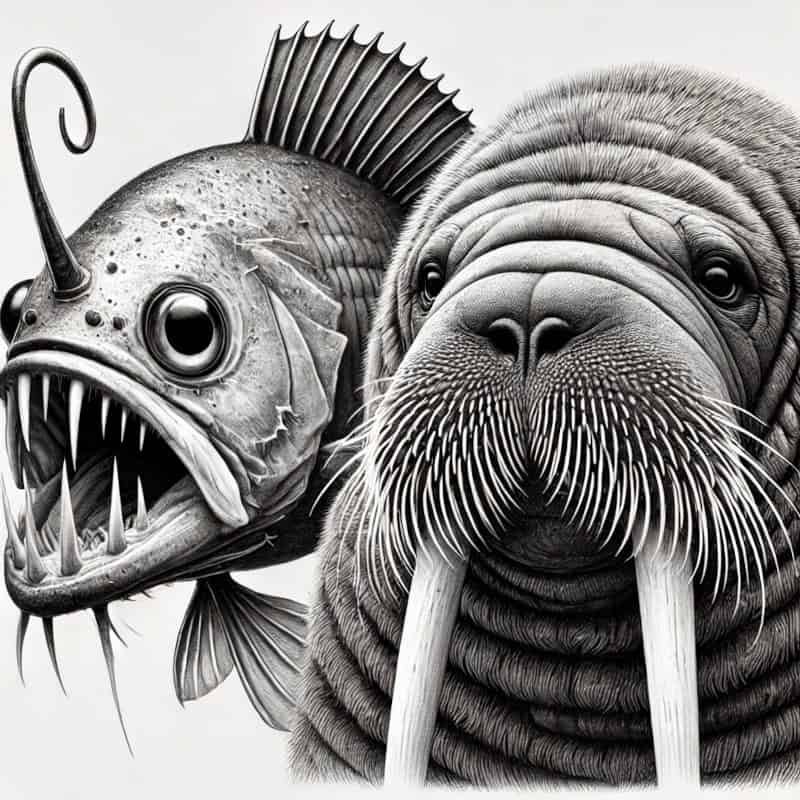
Master the art of drawing animals with structured, in-depth tutorials tailored to specific species. Each guide includes step-by-step instructions, practice exercises, common mistakes & fixes, horror adaptations, and expert tips to refine your skills. Whether you’re sketching lifelike mammals, eerie reptiles, or deep-sea horrors, these guides will help you bring creatures to life with confidence.
- Drawing Mammals
- Bird Illustration
- Reptile Drawing Techniques
- Amphibian Sketching
- Drawing Sharks, Whales, and Fish
5. Textures & details for realistic animal art:
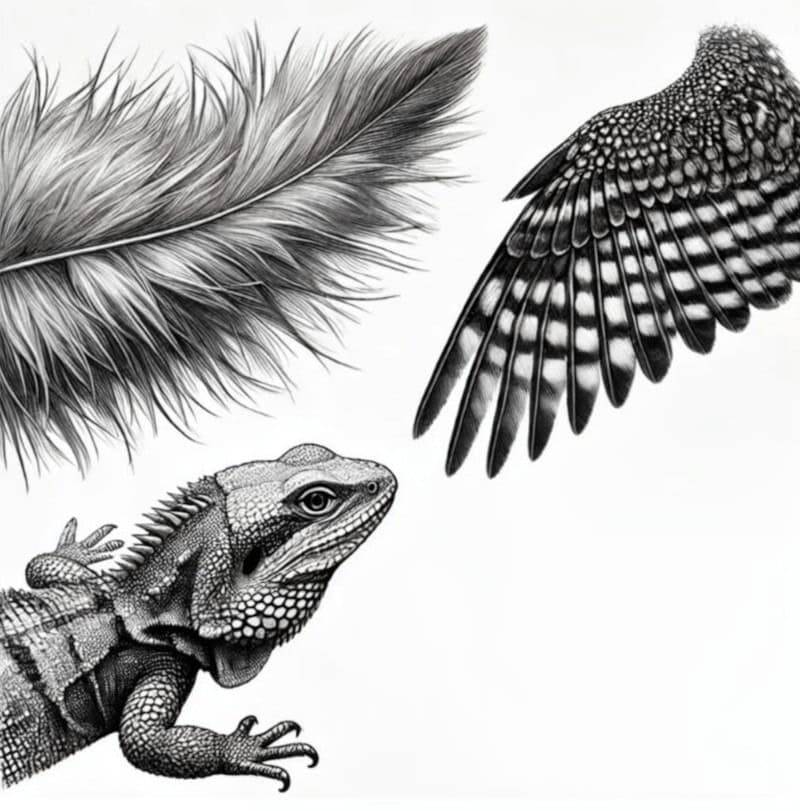
Want to make your animals pop off the page? Mastering textures is key to making your drawings feel realistic and tangible.
- Drawing Fur & Hair
- Feathers & Wings in Drawing
- Scales & Reptilian Skin in Art
- Slimy, Wet, & Translucent Skin in Drawings
Conclusion
Mastering realistic animal drawing is a journey of patience, observation, and technique. By understanding anatomy, movement, and texture, you’ll be able to bring animals to life on paper with accuracy and depth. Whether you’re refining proportions, capturing fur details, or studying skeletal structures, every step brings you closer to creating art that feels dynamic and believable with these realistic animal drawing techniques.
As you continue developing your skills, remember that precision comes with practice. Explore different textures, experiment with shading techniques, and refine your understanding of movement to push your artwork even further. The Animal Drawing Hub is here to guide you through the fundamentals, helping you sharpen your artistic eye and enhance your ability to capture realistic creatures.
Now, grab your sketchbook and get started – before these creatures start drawing you.