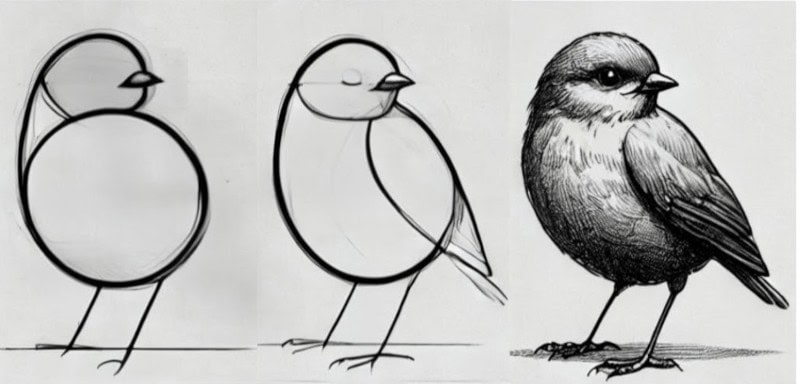
Figuring out how to draw an animal can sometimes feel like assembling IKEA furniture – so many parts, no clear instructions, and you’re not entirely sure if that’s a tail or an extra leg. But don’t worry! Simplifying animals into basic shapes for drawing is like having a blueprint before you start construction. It gives you a strong foundation, so you’re not blindly sketching fur and hoping for the best.
This method helps artists of all skill levels confidently tackle drawing animals without feeling like they’re taming a wild beast. Instead of stressing over every tiny detail (like how many wrinkles an elephant actually has), you’ll start by breaking the subject down into simple forms that capture proportions, movement, and flow. Think of it as the skeleton before the meat – just significantly less unsettling.
Let’s dive into the secrets of shape-based animal drawing before they escape into the wilderness!
Why simplification is important
Breaking animals down into basic shapes isn’t just a life-saver – it’s an artist’s survival tactic. Instead of wrestling with every tiny detail from the start, this approach helps you:
- Keep proportions in check – because let’s be real, not all wobbly-legged creatures are adorable outside of cartoons.
- Make tricky subjects easier to draw – like owls, which are basically just floating eyeballs with attitude.
- Build a solid structure – so you can focus on the fun stuff later, like fur and scales, or making sure your centipede doesn’t have an accidental leg shortage.
- Sketch faster and smarter – meaning you’ll crank out more drawings without getting lost in microscopic details (like individually perfect whiskers – save those for when you really want to suffer).
1. Basic shapes for animal forms
If animals came with an instruction manual, it would probably say: “Assemble using circles, squares, and rectangles.”
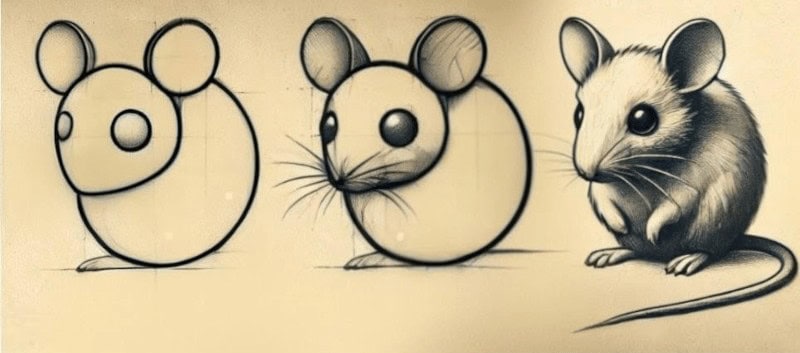
- Circles & Ovals: Used for heads, joints, and bodies.
- Rectangles & Squares: Perfect for boxy animals or those built like a tank (we’re looking at you, bulldogs).
- Triangles: Help define sharp angles like ears, snouts, and legs.
- Lines & Curves: The secret to capturing movement, posture, and that “about to pounce” energy.
2. Breaking down different animals
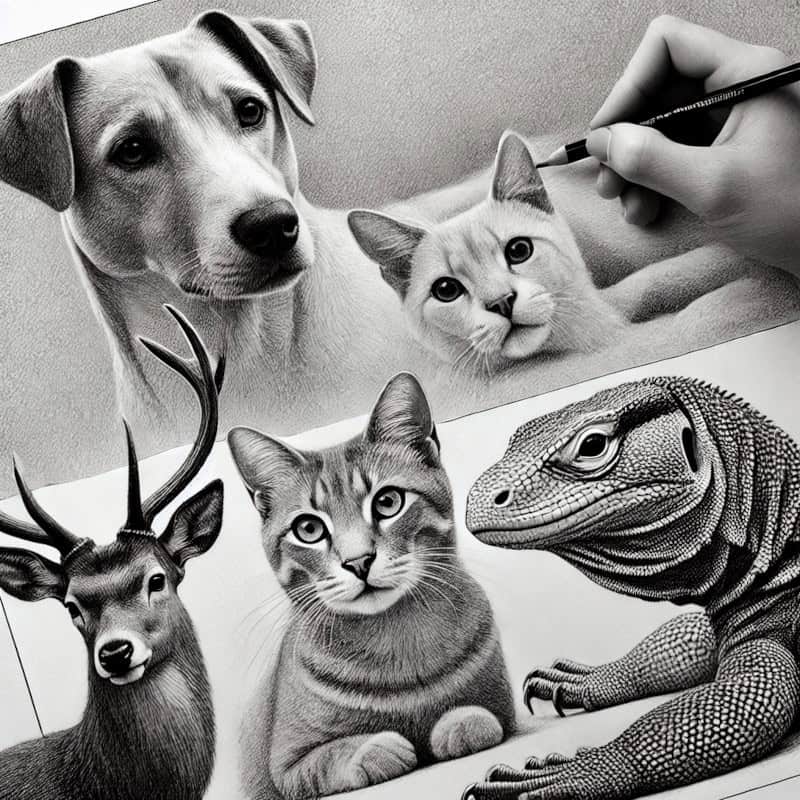
Since all animals don’t come in the same packaging, here’s a quick cheat sheet:
- Dogs & Cats
- Horses & Deer
- Birds
- Reptiles & Amphibians
- Bats & Rodents
- Aquatic Animals & Creatures
3. Step-by-step approach to simplification
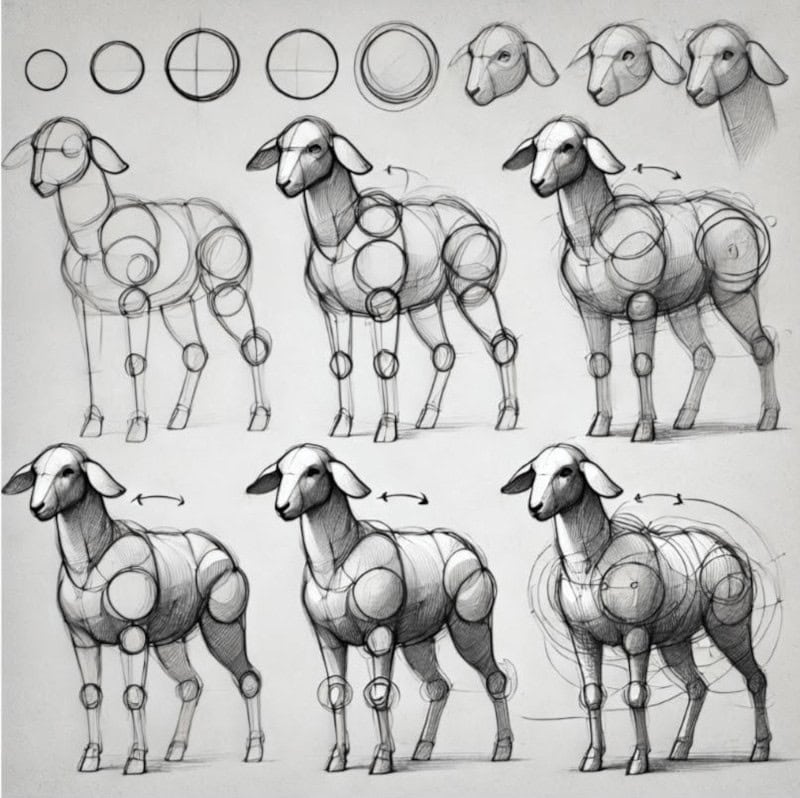
The key to simplifying animals is to break them down like a puzzle. Start by observing the animal’s general form, sketching loose shapes, and refining as you go. Gesture lines will help bring movement while building on the structure.
- Observe the Animal: Stare at it like it owes you money.
- Sketch the Basic Shapes: Use loose, light strokes.
- Refine the Form: Connect the shapes and adjust the proportions.
- Add Gesture Lines: Capture movement, so it doesn’t look like it’s just standing there.
- Build on the Structure: Begin defining muscles and key details.
4. Common mistakes & how to fix them
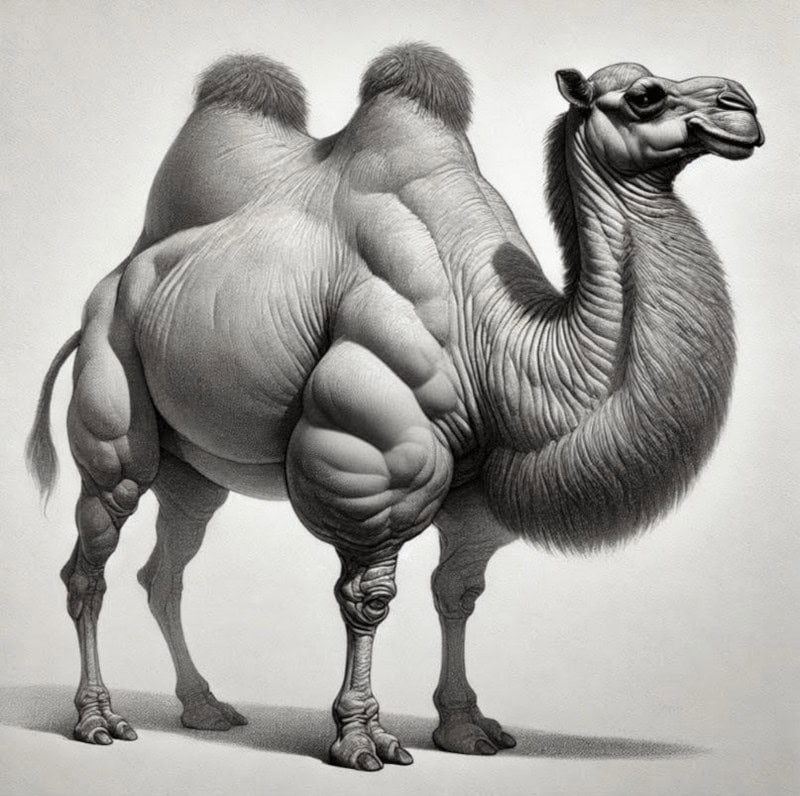
Drawing animals shouldn’t feel like assembling an IKEA bookshelf – if you’re sweating and questioning your life choices, something’s off. Here’s how to avoid common pitfalls:
- Overcomplicating Too Soon: Stick to simple shapes first.
- Ignoring Proportions: Compare head-to-body ratios.
- Forgetting Overlapping Forms: Keep depth in mind for realism.
- Flat Poses: Use gesture lines to add dynamic motion.
5. Practice exercises
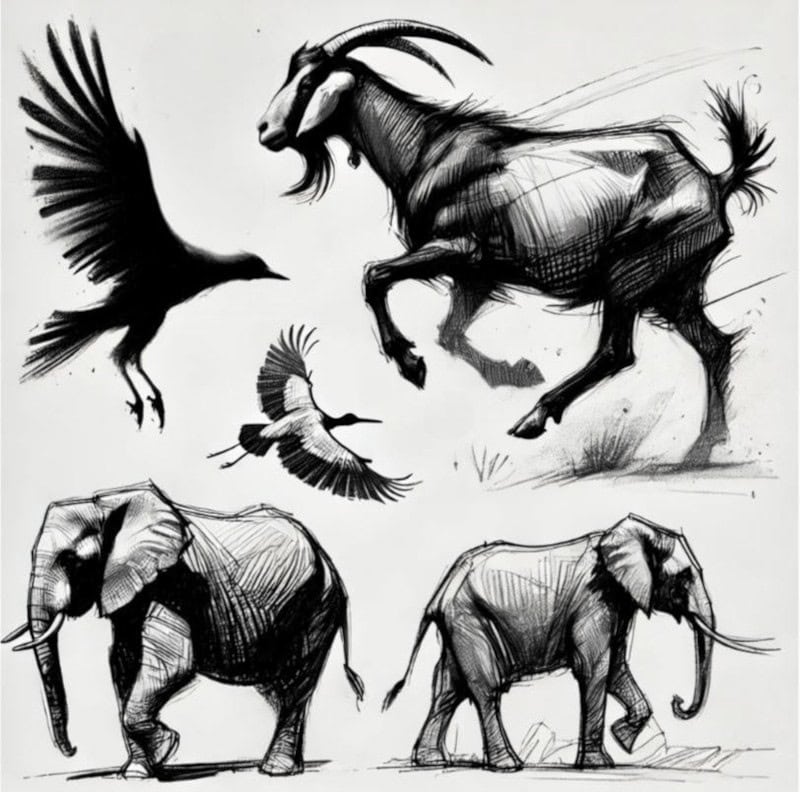
Practice makes progress (and fewer nightmares when you review old sketches). Try these exercises to build your skills:
- 5-Minute Shape Sketches: Break down animals from reference images.
- Silhouette Study: Draw only the shape outlines.
- Gesture Drawing: Capture movement with quick strokes.
- Shape Combination Challenge: Draw an animal using only circles, squares, and triangles.
Conclusion
Mastering the art of simplifying animals into shapes is like unlocking a cheat code for drawing. Suddenly, complex creatures become more manageable, and you’re no longer staring at your paper, wondering if that’s supposed to be a horse or a melted couch. By breaking animals down into basic forms first, you’re building a strong foundation before getting lost in all the fur, scales, and feathery chaos.
Think of it as assembling a creature from eerie puzzle pieces – circles, rectangles, and triangles – all before tackling the finer details. With enough practice, you’ll develop a sharper understanding of animal structure and movement, making your sketches feel more alive – hopefully, not too alive.
Remember, every great drawing starts with simple shapes – even those nightmare-fuel monsters or the world’s fluffiest kittens. The more you practice, the more second nature this method will become. So grab your sketchbook, pick a creature, and break it down – one shape at a time!