How to Stay Motivated as a Horror Artist
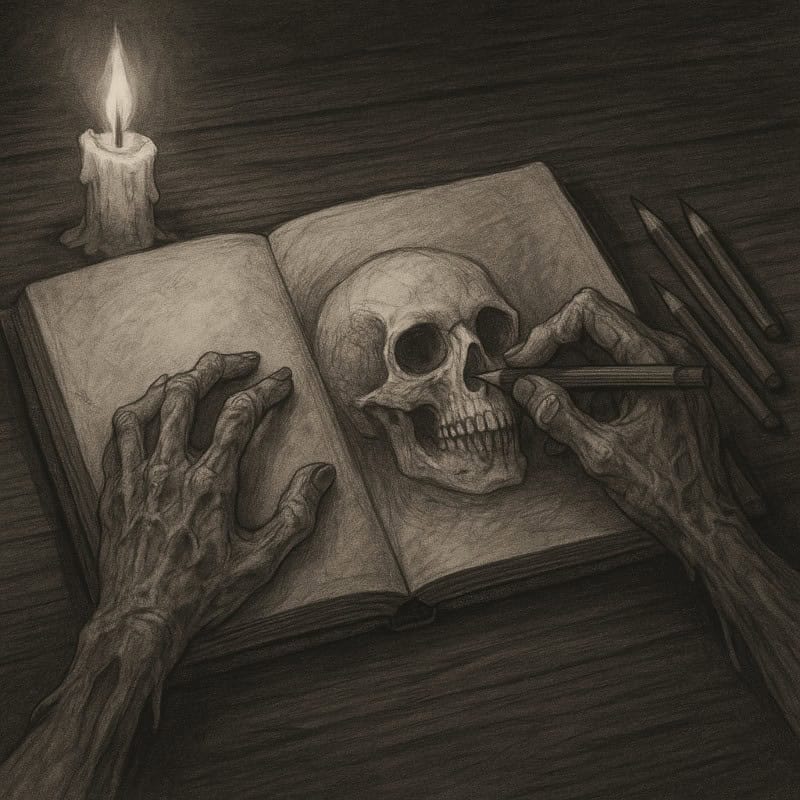
Because even the creepiest creations don’t draw themselves.
Motivation can be the trickiest monster of all. One day, you’re sketching creepy creatures like you’ve been possessed (in a good way). The next day? That same pencil feels like a cursed relic draining the life out of you.
The truth? Staying motivated isn’t about waiting for some magical burst of inspiration. It’s about building habits, finding inspiration, and keeping your inner critic chained in the basement where it belongs.
This guide will give you practical ways to stay motivated in your horror art journey, whether you’re drawing daily or trying to reignite your passion after a long break.
Step 1: Know Your “Why”
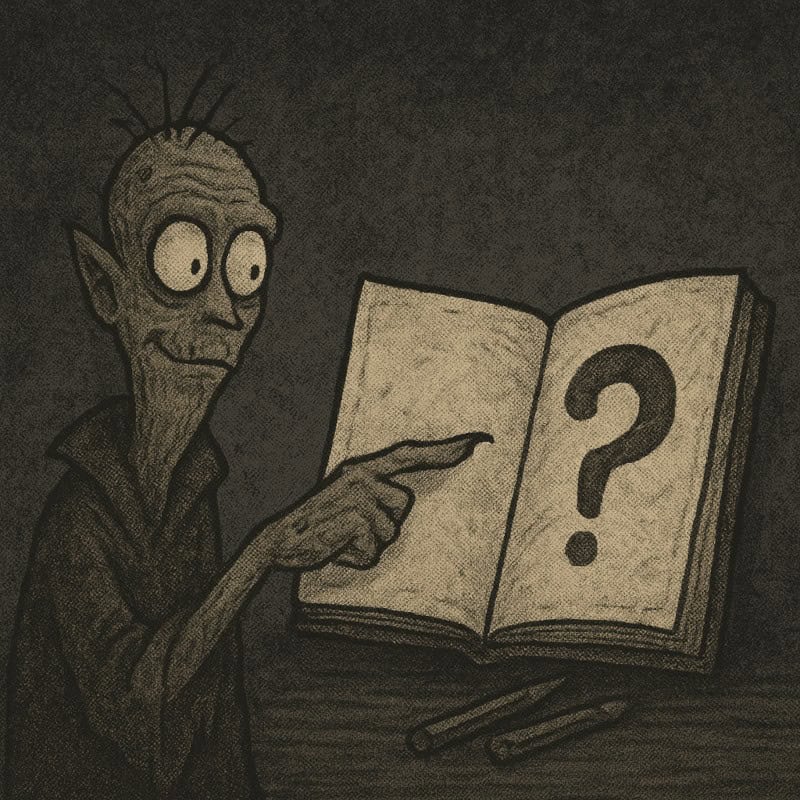
Motivation is easier to hold onto when you’re clear about why you’re creating.
Ask yourself:
- Do I draw horror art because I love the creepy atmosphere?
- Do I want to improve my skills and build confidence?
- Am I creating stories and characters that feel uniquely mine?
Your “why” is your anchor. Write it down in your sketchbook or pin it above your desk. On the days you feel stuck, come back to it.
Tip: Make your “why” personal. “Because creepy monsters are fun” is just as valid as “I want to illustrate a horror graphic novel one day.” If it keeps you picking up your pencil, it’s the right reason.
Step 2: Build Small, Consistent Habits
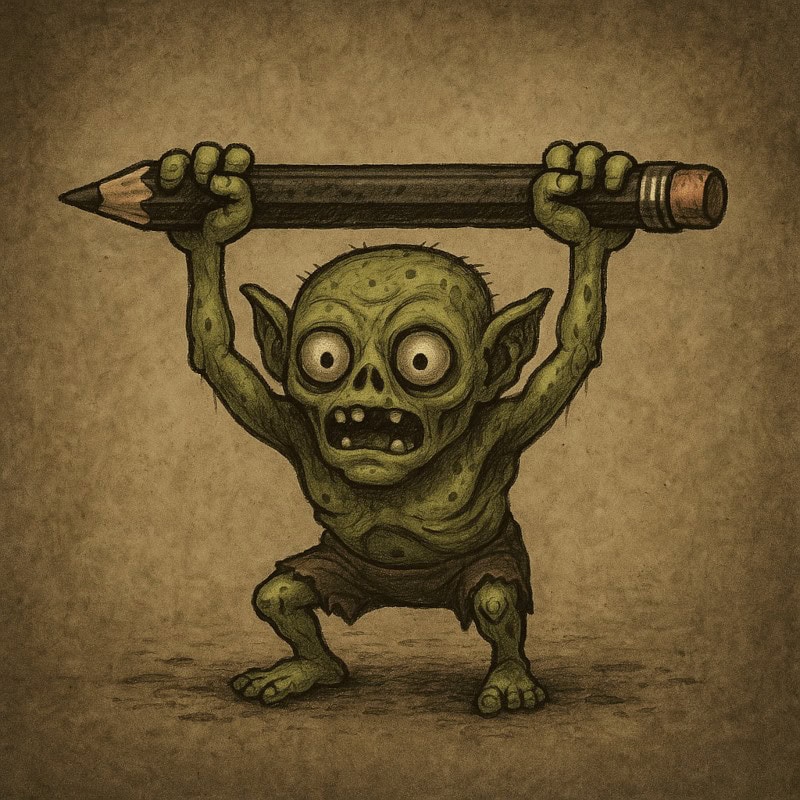
Motivation disappears quickly when you demand too much of yourself.
Instead, focus on small, steady practices:
- Micro-goals: Sketch for 10 minutes a day instead of pressuring yourself into 2-hour marathons.
- Daily warm-ups: Doodle cracked tombstones, twisted trees, or cracked skulls as quick exercises.
- Routine: Pick times you’re most likely to draw – mornings, evenings, or even your lunch break.
Consistency beats intensity. Ten minutes a day for a month will get you further than one dramatic 5-hour session that leaves you crawling to the coffin.
Step 3: Create an Inspiring Atmosphere Without Summoning a Demon… Unless You’re Into That)
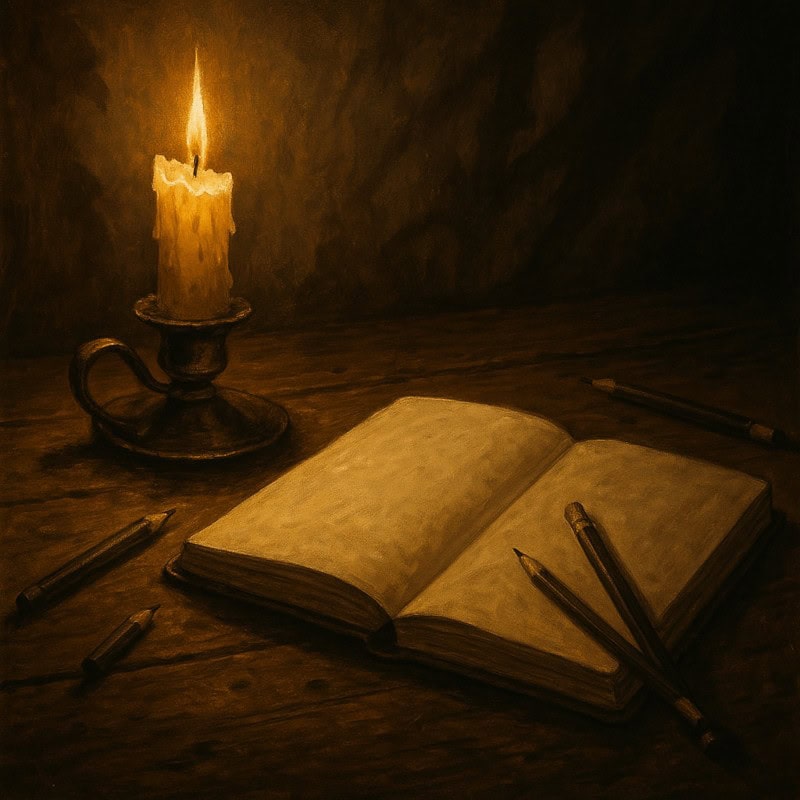
Motivation loves ritual. Your environment can be the difference between “meh, not tonight” and “ooh, time to make something creepy.” Instead of focusing solely on decor, think about how your space feels when you sit down to create.
- Build a ritual: Maybe you always light a single candle before you start, or play the same horror playlist. Your brain learns, “Ah, yes, spooky time.”
- Keep tools handy: If your pencils, erasers, and sketchbook are always within reach, you’ll remove the “ugh, setup” excuse.
- Change your scene occasionally: If your desk feels stale, try sketching at a cafe, in a library corner, or even in the garden at dusk. New environments spark new ideas.
- Make it personal: Add a tiny item that makes you smile every time you see it – a weird trinket, a skull-shaped mug, or your swamp monster doodle stuck to the wall.
The goal isn’t to create a Pinterest-worthy studio. It’s to carve out a weird little ritual space that hisses: “sit down, draw something creepy, and actually enjoy it.”
Step 4: Break the “All or Nothing” Mindset
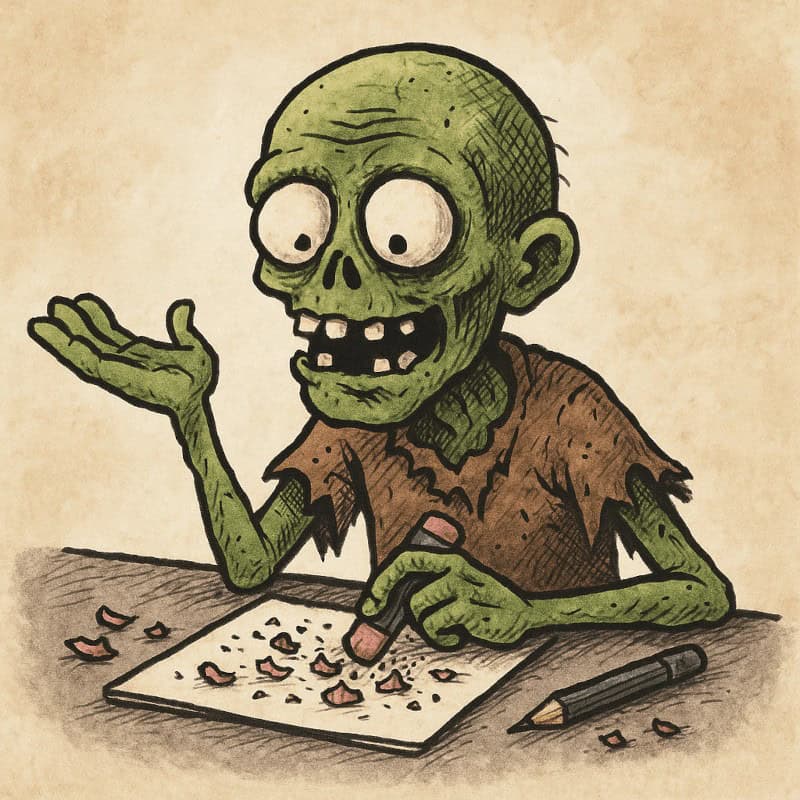
One of the biggest killers of motivation is the belief that you must create something huge and perfect every time. Not true.
You don’t have to finish a polished illustration every session.
Motivation thrives when you give yourself permission to:
- Experiment
- Doodle nonsense
- Make mistakes
- Leave pieces unfinished
Some days your “art session” might just be drawing 10 zombie hands. That still counts.
Step 5: Find a Community (or Make Your Own)
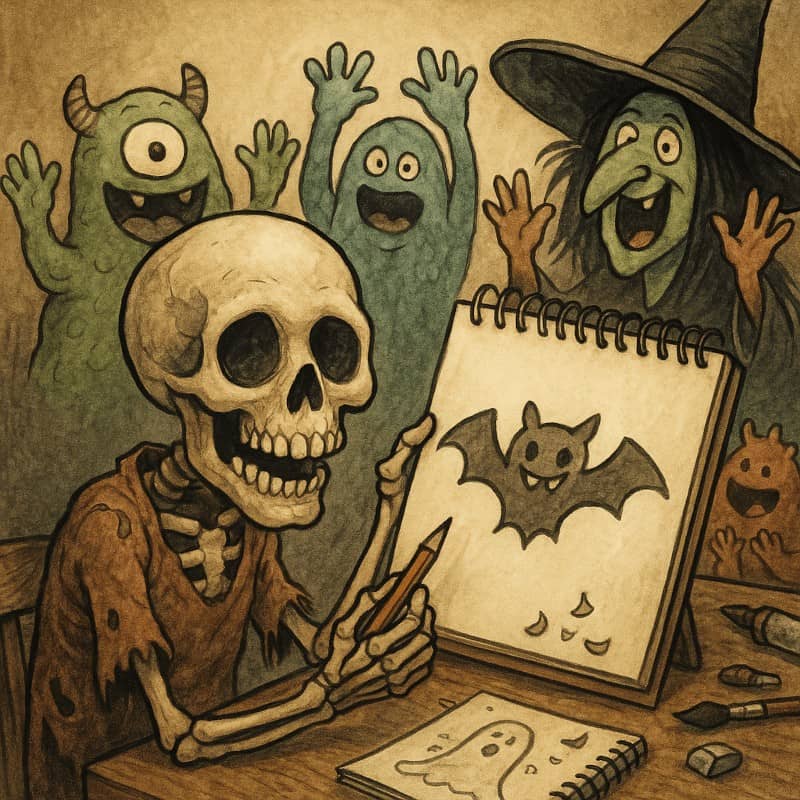
Motivation grows when you feel connected. Share your art, even if it’s not “perfect.” Interacting with others keeps you inspired and accountable.
- Join horror art groups online.
- Share progress shots on social media.
- Comment on and support other artists’ work.
If you’re shy, even lurking in communities and soaking up inspiration can keep your fire alive.
Fun idea: Create an accountability buddy – another artist you swap spooky sketches with once a week. Even a silly “draw the ugliest vampire you can” challenge can keep the spark alive.
Step 6: Mix Work and Play (Without Losing Your Sanity)
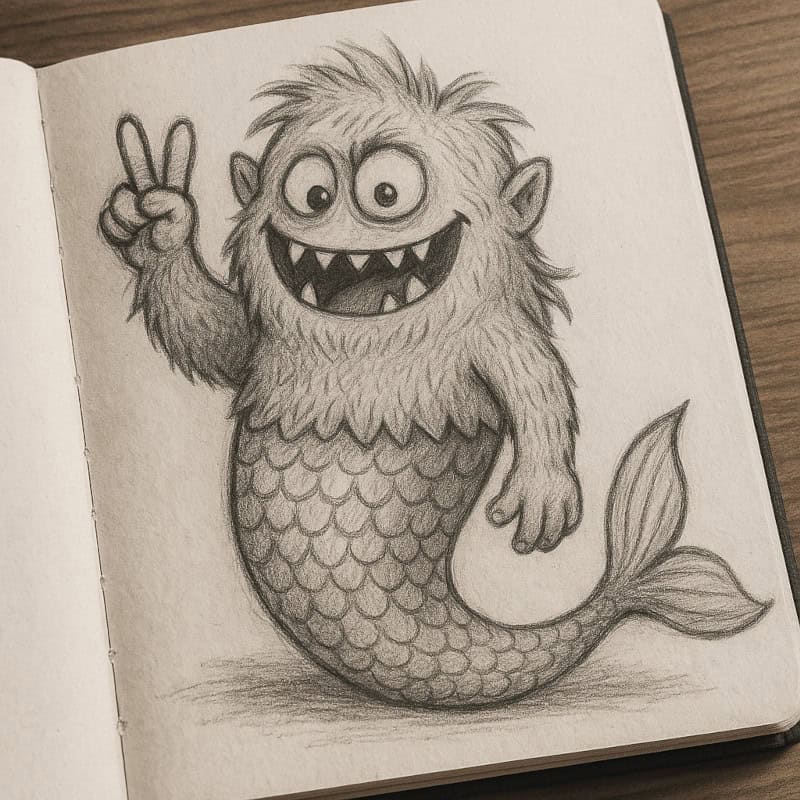
Motivation fizzles fast when every drawing feels like a final exam. To keep the spark alive, balance your “serious” horror pieces with low-pressure play:
- Try a different genre mash-up: What happens when gothic horror meets sci-fi? Or when folklore collides with body horror? Weird combos can unlock new ideas.
- Use unusual tools: Draw with your non-dominant hand, a brush pen instead of a pencil, or even smear charcoal with your fingertips. Messy = fun.
- Speed-draw sessions: Set a timer for 2 minutes and crank out a monster as fast as you can. The results will probably look ridiculous – but that’s the point. It reminds you that art can be playful, not perfect.
- Revisit old sketches: Take a drawing you abandoned months ago and “ruin it” in the funniest or creepiest way possible – extra eyes, goo, or vampire fans on everything.
Motivation thrives when you make space for both polished pieces and playful chaos. Horror art doesn’t always need to be terrifying – sometimes it’s at its best when it makes you laugh nervously at your own scribbles.
Step 7: Track Your Progress
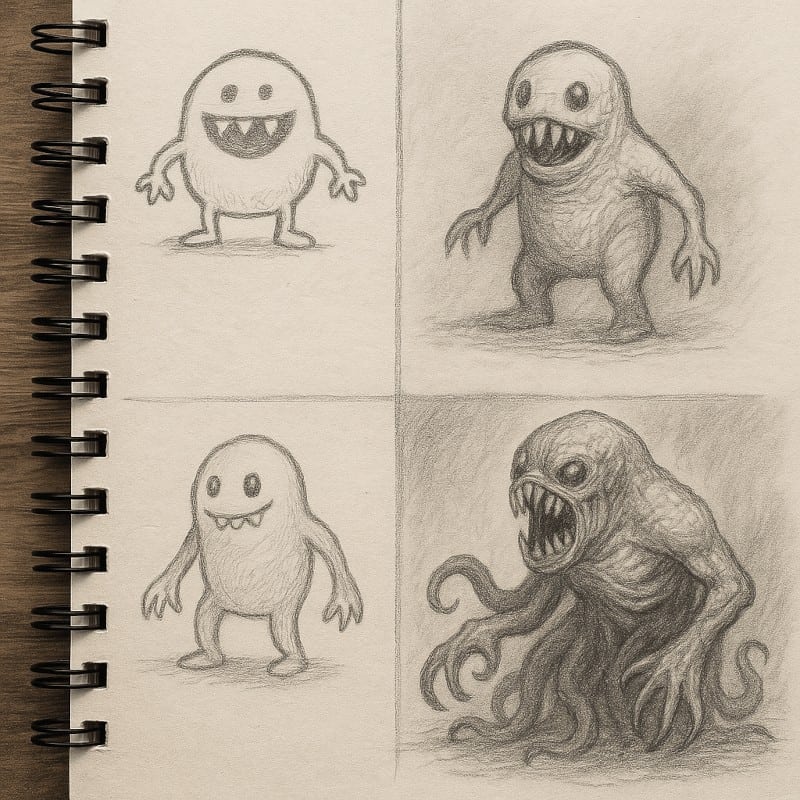
Motivation fades when it feels like you’re not improving. The cure is simple: track your progress so you can see the creepy little wins stacking up.
- Date your sketches.
- Compare new art to older pieces every few months.
- Notice small wins (maybe your shading looks smoother, your anatomy is stronger, or your haunted house finally looks spooky instead of like a birthday cake.
Progress is a massive motivator, but only if you actually notice it.
Common Motivation Killers (and How to Fight Back)
- The “Someday” Trap: Telling yourself you’ll start your big project tomorrow. The fix? Break it into a mini step you can do today (like sketching one creepy hand).
- Overloading Yourself: Trying to draw for hours every single day until you burn out. The fix? Short, regular sessions beat marathons.
- Waiting for Inspiration: Treating inspiration like a guest of honour that never shows up. The fix? Start doodling – motivation often comes after you begin.
- Fear of Wasting Time: Thinking “this sketch isn’t good enough to matter.” The fix? Every sketch is practice – even the flops sharpen your claws.
Quick Motivation Boosters
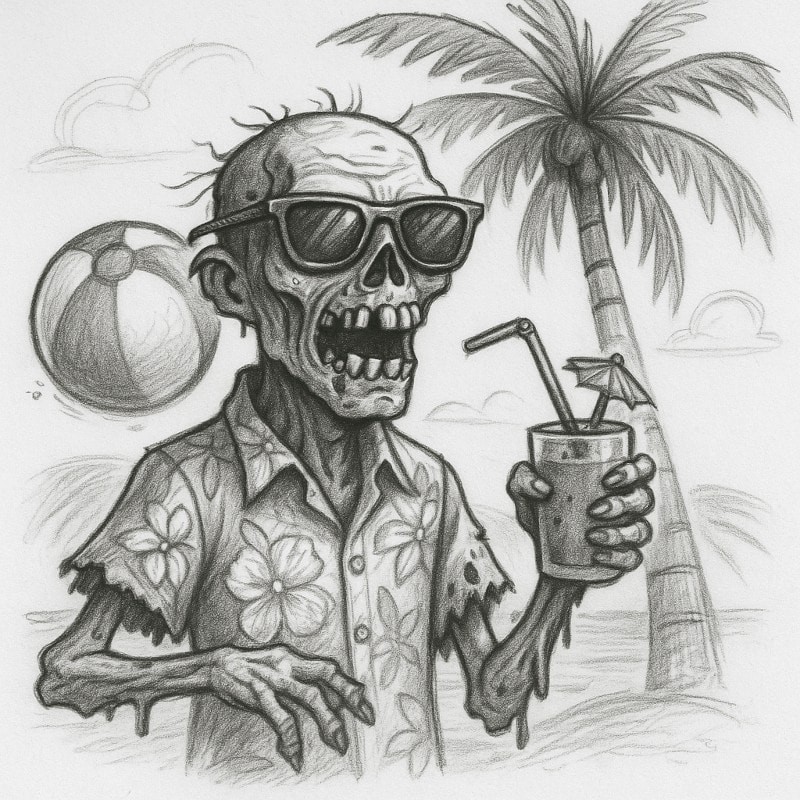
- Spooky Speed Round: Set a timer for 3 minutes and sketch the first creepy thing that comes to mind – no erasing allowed.
- Flip the Mood: If you usually draw scary, draw something funny-horror (zombie on holiday,
- Atmosphere Change: Alter one thing about your space (dim the lights, switch the music, light incense). It tricks your brain into “new scene = fresh energy.”
- Borrow a Brain: Scroll through folklore creatures, creepy old photos, or even random object lists and imagine how they could become horror fuel.
- Mini Reward System: Promise yourself a cookie, coffee, or a five-minute break after you sketch anything at all.
Practice Guide: A 20-Minute Motivation Workout
When your energy is low and you don’t feel like drawing, try this quick routine to get moving again. You don’t need hours – just 20 minutes.
Step 1: Quick Ritual Reset (2 minutes)
- Do something tiny that signals “art time.” Stretch your hands, sip a drink from your favourite creepy mug, or put on one specific track you always start with.
- The point isn’t ambience – it’s flipping your brain’s switch into creative mode.
Goal: Build a mini “start button” for your art habit.
Step 2: Shape Sprint (5 minutes)
- Grab your pencil and sketch only with basic shapes (circles, triangles, squares).
- In five minutes, turn those into as many spooky things as you can – maybe a circle becomes an eyeball, a triangle turns into a jagged fang, a square morphs into a haunted window.
- Don’t focus on details, just speed and imagination.
Goal: Shake off perfectionism while tricking your brain into play mode.
Step 3: Creepy Detail Focus (10 minutes)
- Choose one tiny thing to zoom in on: a single cracked fingernail, the folds of a cloak, or the texture of rotting wood.
- Spend 10 minutes really exaggerating and experimenting with it.
- Think of it as a mini “study” that might later sneak into a bigger piece.
Goal: Practice without pressure – progress often hides in the details.
Step 4: Reflect & Reward (3 minutes)
- Circle, highlight, or even jot down one thing you liked about today’s quick session.
- Add a date and a silly caption if you want (“this hand looks like it’s reaching for snacks, but hey – progress!”).
- Give yourself a mini reward – tea, chocolate, or just the satisfaction of a creepy doodle done.
Goal: End with positivity so your brain links art with enjoyment, not stress.
Pro tip: The trick to motivation isn’t producing a masterpiece every day – it’s keeping the habit alive. Even the smallest session is better than nothing. Over time, these “tiny wins” accumulate into significant growth.
Conclusion: Keep the Fire Burning
Motivation doesn’t mean drawing nonstop, nor does it mean waiting for inspiration to bite. It means building small habits, keeping things fun, and remembering why horror art excites you in the first place.
On the days you’re overflowing with energy, ride the wave. On the days you’re drained, draw something tiny and silly. Both paths keep you moving forward.
Because at the end of the day, horror art isn’t about discipline alone – it’s about loving the thrill of building spooky worlds that only you can imagine. Stay curious, stay creepy, and keep your pencils sharp enough to raise the dead.
Links to the Series
Keep exploring the Motivation & Creativity series: