Horror Artists Inspired by Myth and Folklore
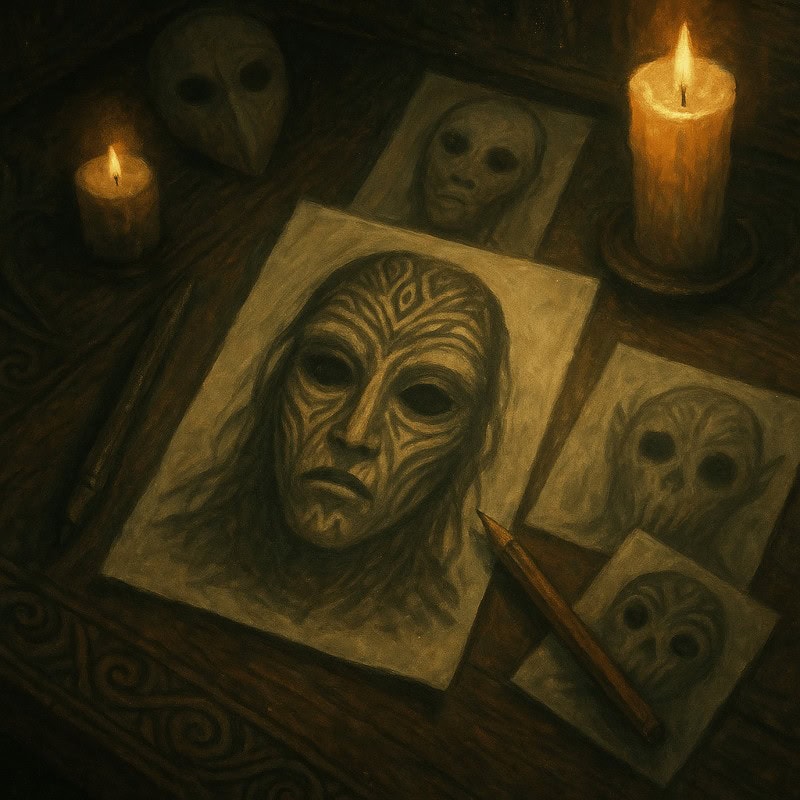
When you’re hunting for inspiration, folklore isn’t just for campfire stories – it’s a goldmine of creepy tricks that horror artists have been digging into for centuries. Some summon fear with gore and jump scares. Others glance at a tree and go, “yep, that’s cursed.”
Studying how artists twist myth and legend into horror isn’t about copying their work – it’s about stealing a pinch of their spooky seasoning for your own sketch cauldron. Think of each artist’s style as a secret ingredient you can borrow for your own sketchbook stew.
You’re not here to magically transform into Goya overnight (unless you’ve also got a side hustle painting Spanish royalty, in which case, let me know how that’s going). You’re just borrowing tools from their haunted toolbox and seeing what happens when you play with them.
Why Study Artists in the First Place?
Looking at the work of other artists isn’t about copying or comparing yourself – it’s about learning tiny tricks that you can add to your own toolkit. Think of it like peeking over someone’s shoulder, not to feel bad about your skills, but to whisper: “Ooh, so that’s how they make shadows look scary.”
Every artist on this list has something specific you can borrow:
- Goya demonstrates how light and shadow can evoke an instant sense of dread.
- Ensor proves that masks don’t need to be perfect to be creepy.
- Bauer reminds you that nature can be scarier than monsters.
The idea isn’t to draw like them – it’s to borrow one of their moves and remix it into your own horror sketches.
Artist Spotlights:
1. Francisco Goya (1746-1828)
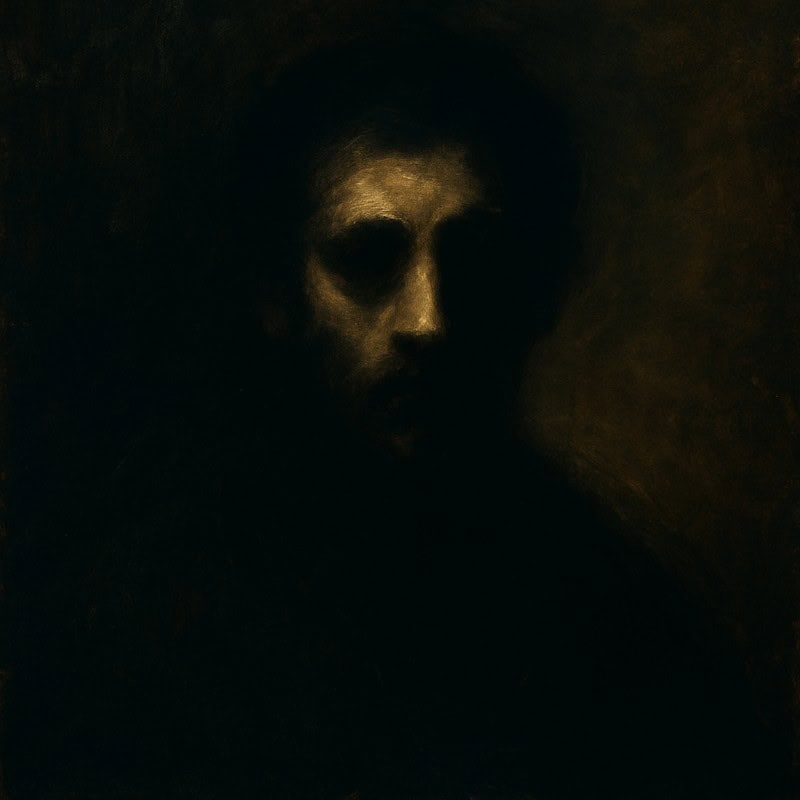
Why he matters: Goya wasn’t only the master of gore – he also used biting satire to skewer politics and society. But his Black Paintings (1819-1823) show just how dark he could go, filling walls with shadowy, nightmarish visions. His infamous Saturn Devouring His Son is basically one very awkward god eating his own child, and it still rattles viewers two centuries later.
Beginner tip: Don’t feel like you need to dive straight into gore – shadows alone can do plenty of the heavy lifting (and don’t stain your sketchbook). Try sketching with extra-heavy shadows first – sometimes suggestion is scarier than splatter.
Try this: Draw a simple portrait, but push the darks so far that the figure looks like they’re sinking into shadow.
2. James Ensor (1860-1949)
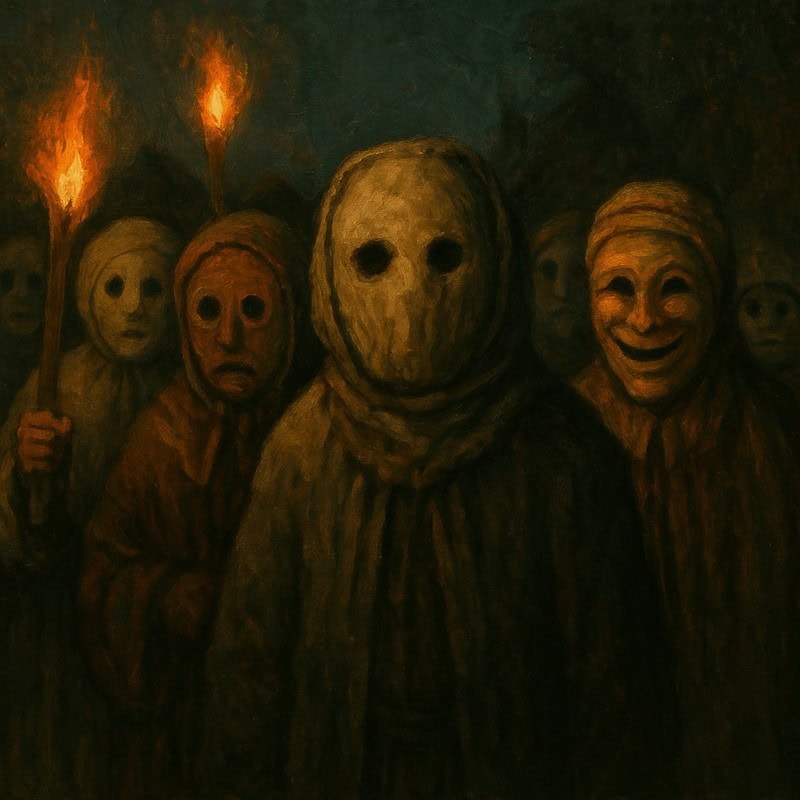
Why he matters: This Belgian painter turned carnival masks into full-blown nightmares. His chaotic, mask-filled scenes blur the line between comedy and horror – like you’ve stumbled into the worst party of your life, and the masks are in charge. Skeletons, grimacing faces, and distorted expressions made his work unsettling long before slasher films came along.
Beginner tip: Play with masks or exaggerated faces to make characters creepy without relying on gore.
Try this: Draw a crowd scene, then give everyone masks with slightly “off” expressions – too wide, too blank, or too cheerful.
3. John Bauer (1882-1918)
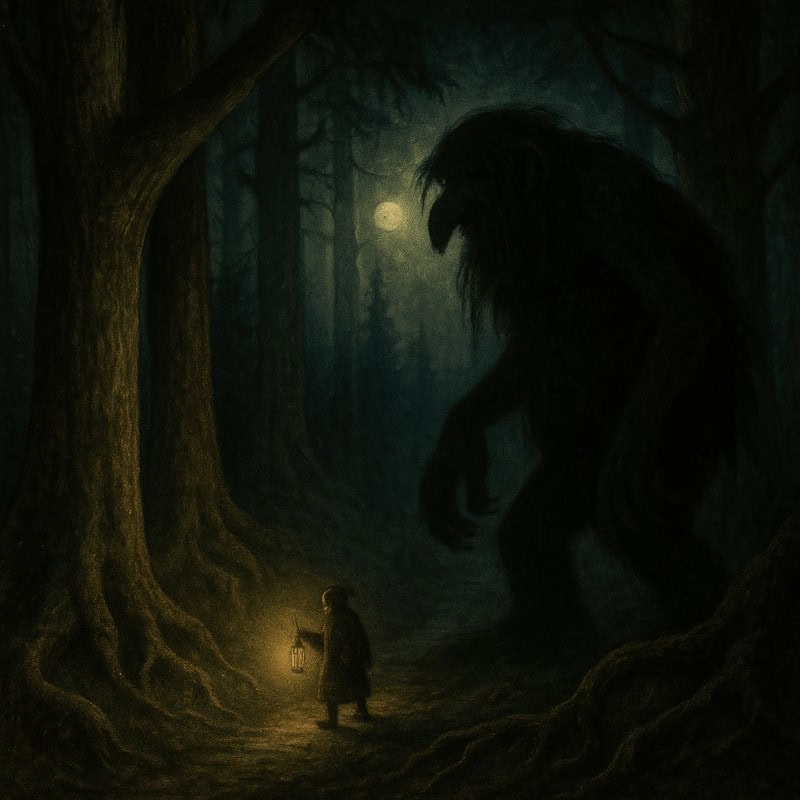
Why he matters: A Swedish illustrator who brought folklore to life, Bauer filled storybooks with hulking trolls and enchanted forests. His work has a dreamlike yet eerie quality – his humans look small and fragile, while his trolls loom like they’ve been watching you since breakfast. The woods themselves often feel alive, like characters in their own right.
Beginner tip: Experiment with size and scale. Make the trees enormous and the figures tiny, and suddenly the forest becomes ominous.
Try this: Sketch a forest path, then add a troll-like figure half-hidden among the trees.
4. Zdzisław Beksiński (1929-2005)
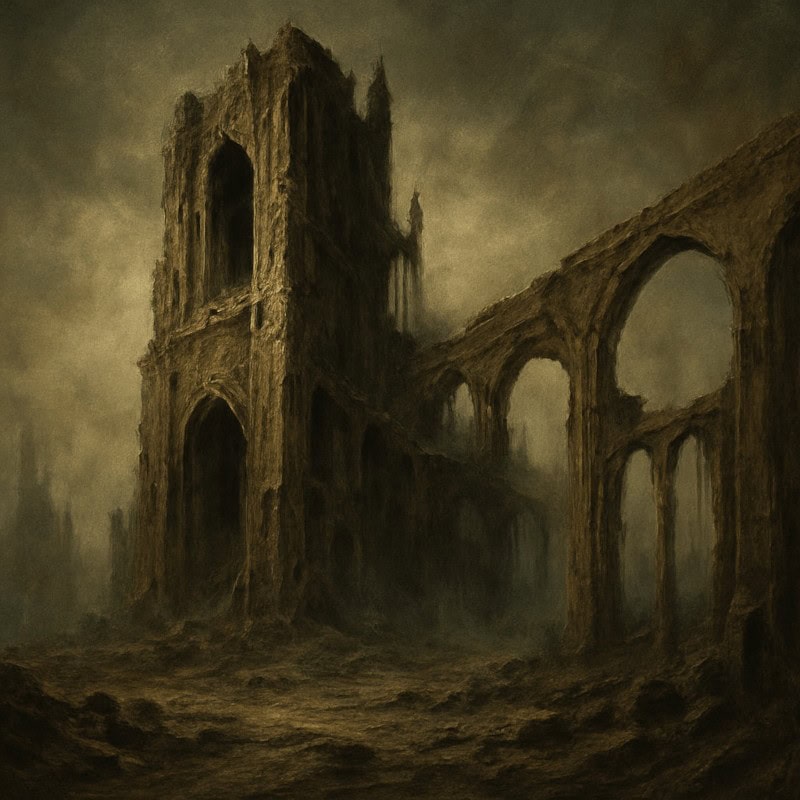
Why he matters: Zdzisław Beksiński created vast, nightmarish landscapes filled with skeletal towers, faceless figures, and ruined architecture. He never titled his works, leaving viewers to come up with their own interpretations – which somehow makes them scarier. His art screams “post-apocalyptic cathedral,” but with a surreal twist.
Beginner tip: Don’t overthink details. Use scratchy marks, rough textures, and distorted shapes to create unease.
Try this: Take an ordinary building sketch and decay it – add cracks, eroded walls, or skeletal frames rising out of the ground.
5. Junji Ito (born 1963)
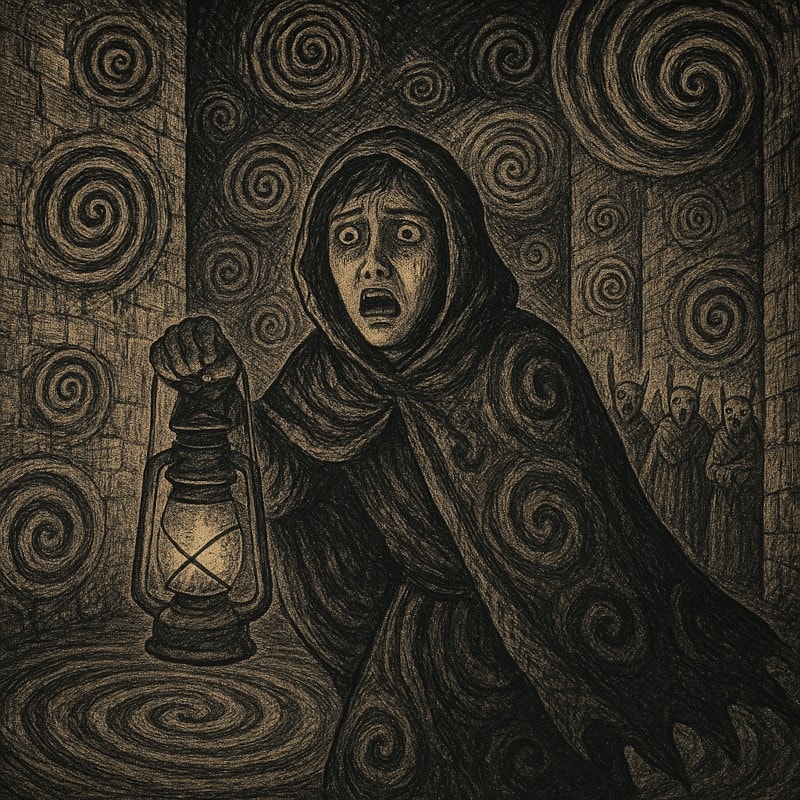
Why he matters: Japan’s horror manga master proves you don’t need big cities for big scares. Junji Ito’s most famous work, Uzumaki (1998-1999), shows an entire town destroyed by spirals. Yes, spirals. His genius lies in turning ordinary patterns and settings into objects of obsession and dread.
Beginner tip: Pick a simple symbol (like a spiral or knot) and repeat it until it goes from harmless to unsettling.
Try this: Hide spirals, cracks, or knots all over a drawing – backgrounds, clothing, even eyes – until the repetition feels unbearable.
6. Emily Carroll (born 1983)
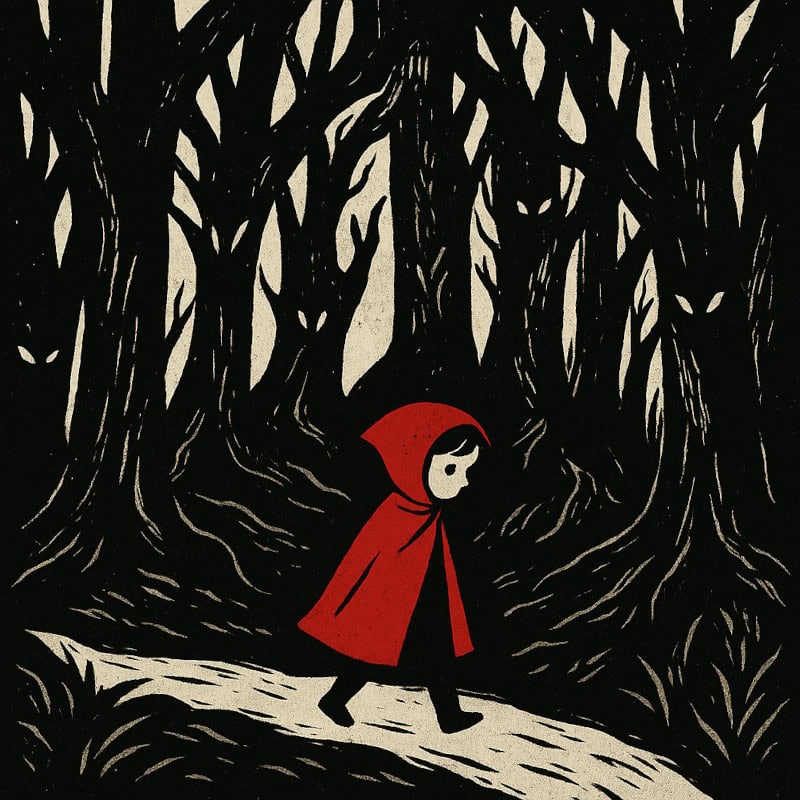
Why she matters: A Canadian comic artist best known for Through the Woods (2014), Carroll shows that you don’t need buckets of detail to create chills. Her bold shapes, limited colour palettes, and silhouette-heavy panels turn bedtime stories into eerie nightmares.
Beginner tip: Simplify. Use bold blocks of colour and high contrast instead of cluttered detail.
Try this: Take a sweet fairytale scene and redraw it with a stark palette – like black, red, and white – so the mood screams “danger.”
Art Prompt – “Borrowed Shadows”
Pick one of the artists above and borrow a single trick from them. Then twist it into your own idea.
Example: use Goya’s harsh lighting for a modern scarecrow ritual, or Ensor’s goofy masks in a Bauer forest. You’re not copying – you’re remixing.
Conclusion – Steal the Tricks, Not the Souls
Studying artists is like rummaging in a haunted toolbox – every one of them hands you a new, slightly cursed gadget. Goya gives you shadows sharp enough to cut, Ensor drops off a bag of nightmare masks, and Bauer lends you his creepy forests, Beksiński whispers “add more ruins,” Ito shoves spirals in your face, and Carroll proves bedtime stories aren’t safe after dark.
The point isn’t to copy their work – it’s to steal their tricks, mash them together, and see what unholy thing crawls out of your sketchbook. Steal the tricks, not the souls… unless you’ve got a Ouija board handy. Then hey, who am I to stop you?
Big Challenge: Pick three artists from the list above and fuse their styles into one drawing. Maybe you steal Goya’s sharp shadows, drop in Ensor’s chaotic masks, and stage it all inside Bauer’s haunted forest. Or mash together Beksiński’s ruins, Ito’s spirals, and Carroll’s bold colours for a twisted fairytale nightmare. The rules are simple: no rules. The messier and weirder, the better. Bonus points if your sketch makes you mutter, “What in the unnatural creation have I just brought into existence?”
Keep Exploring Folklore in Horror Art
Dive deeper into eerie traditions and mythical influences with more guides from the Folklore and Mythology in Horror Art series:
- Traditional Art Styles
From woodblock prints to ancient symbols, discover old-world techniques to fuel your horror sketches. - Folk Horror Aesthetics
Isolated villages, crude masks, and rituals that never end well.