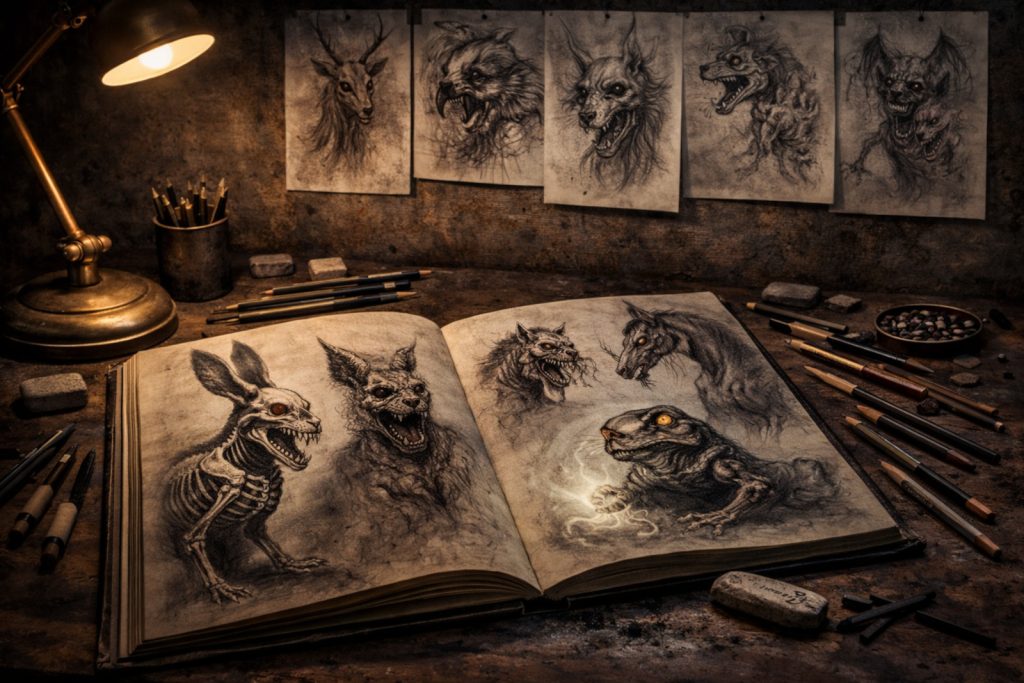
From the Ordinary to the Unsettling – Horror Creature Transformations.
Welcome to the Animals and Creatures in Horror Art hub, where Mother Nature gets a haunted makeover. Why settle for the usual cute and cuddly when you can have skeletal beasts, cursed hybrids, and creatures that make you double-check your closet at night?
Here, we explore the fine art of turning everyday animals into nightmares – because let’s be honest, even a bunny can be terrifying if you give it enough teeth and an appetite for souls. Whether you’re creating undead creatures, eerie folklore-inspired monstrosities, or something that even cryptid hunters would be afraid to name, this hub will bring your sinister visions to life.
1. Illustrating Proportions and Pose Design for Horror Creatures
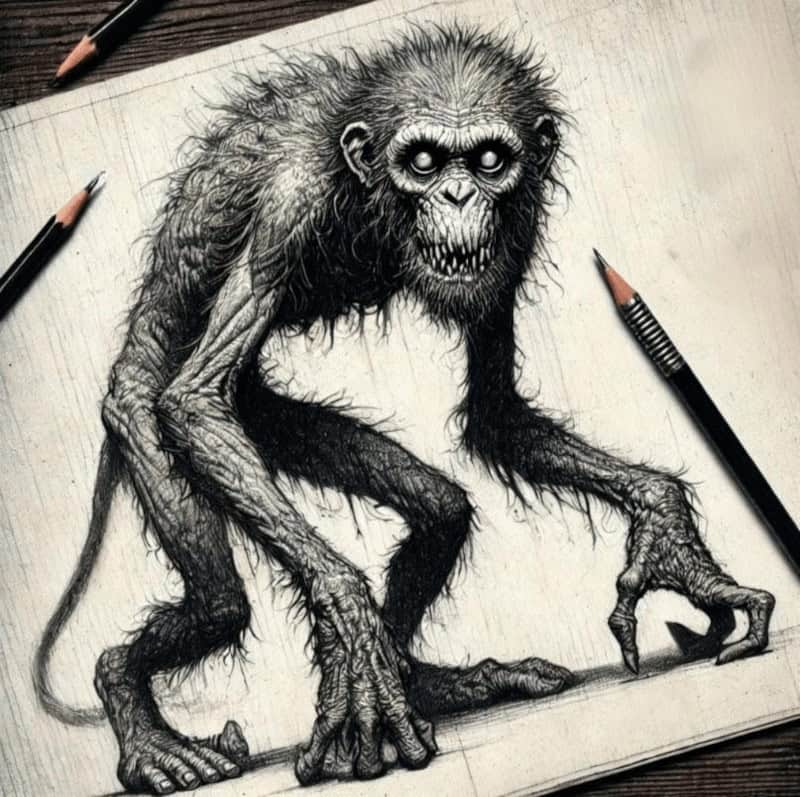
Who needs traditional anatomy when you can bend the rules – literally? Warping proportions and exaggerating poses can make your creatures look just off enough to send shivers down spines.
- Breaking traditional anatomy rules like an overzealous mad scientist.
- Warping proportions for that “something is deeply wrong” effect.
2. How Horror Adaptations Distort Animal anatomy in illustration
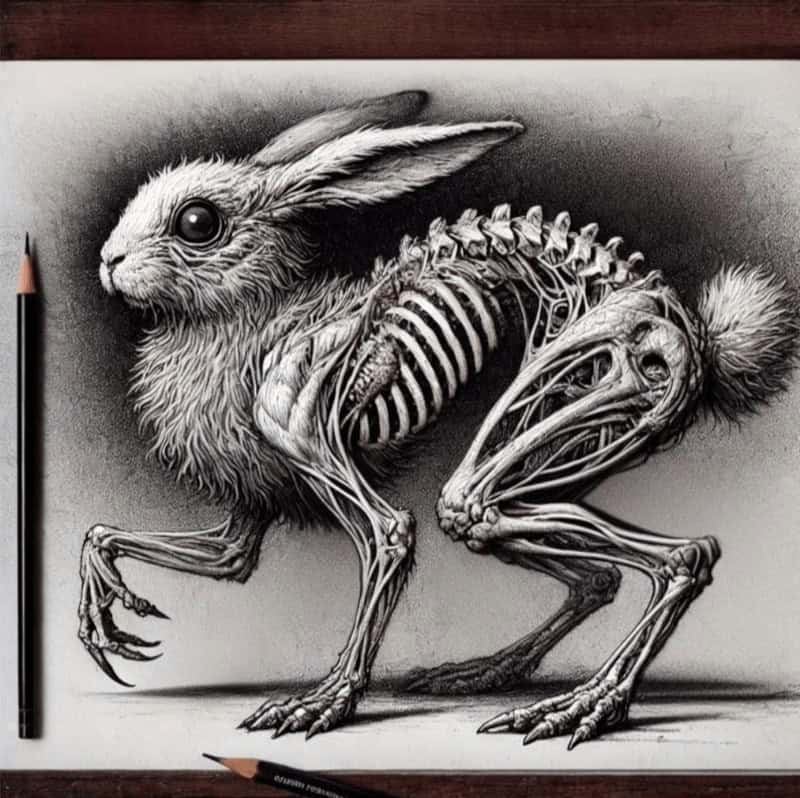
Want to make something deeply unsettling? Stretch those limbs, fuse some skeletal structures, and slap on some extra joints where they don’t belong. Boom – instant nightmare fuel.
- Stretching limbs, fusing bones, and making sure your creation looks just unnatural enough to make viewers deeply uncomfortable.
3. Designing Undead & Skeletal Animals for drawing
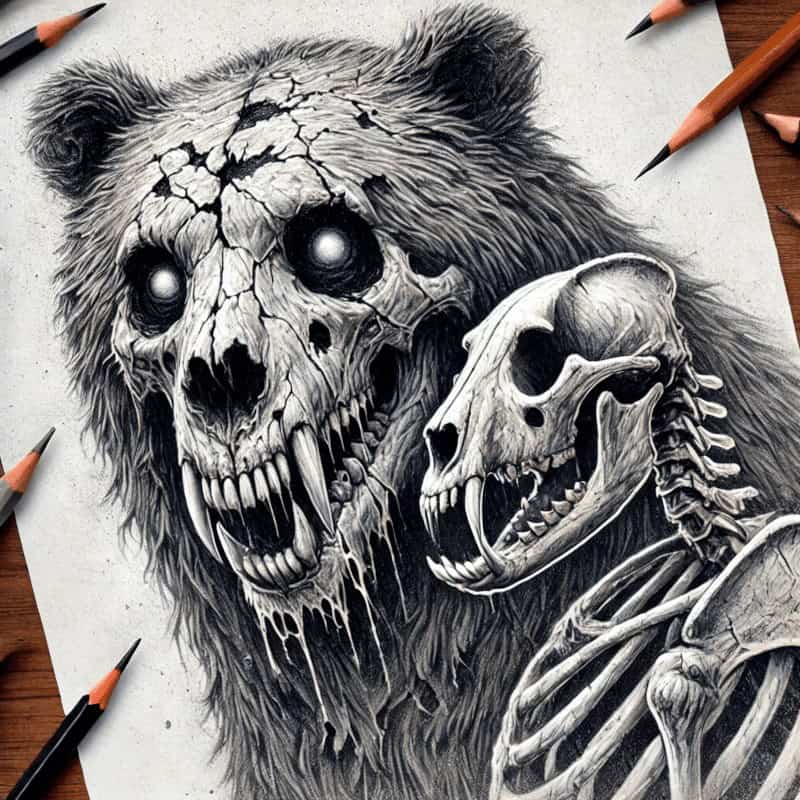
Nothing says “run for your life” like a creature with exposed ribs, hollow eyes, and rotting flesh. Master the art of decay and create creatures that look like they crawled straight out of their own graves.
- Techniques for making animals look decomposed, ghostly, or just plain not okay.
- The fine balance between “realistic skeletal detail” and “this thing wants to eat my soul.”
- Mastering textures like torn flesh, hollow eyes and that subtle rotting meat aesthetic.
4. Illustrating Mutated & Hybrid horror creatures
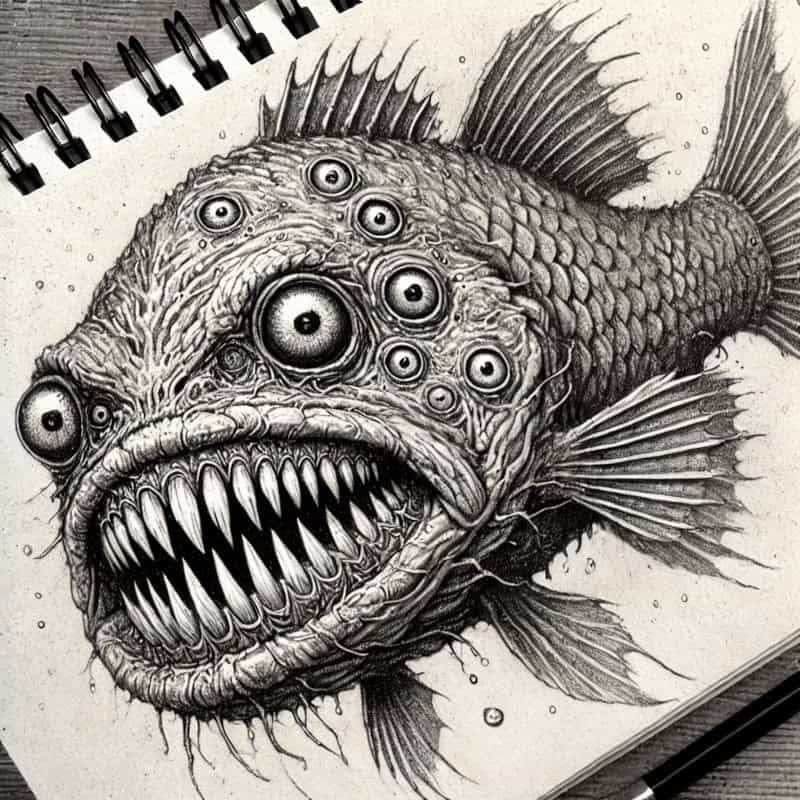
Take two (or more) creatures, mix liberally, and let chaos do the rest. Whether it’s a wolf with too many eyes or a fish with human teeth, hybrids are a fast track to unsettling brilliance.
- Because why have one disturbing creature when you can mash two together and make something twice as unsettling?
- Merging features like tentacles, extra limbs, and just enough wrongness to make people question their life choices.
5. Adding Distorted Proportions to Animal Drawings for a horror effect
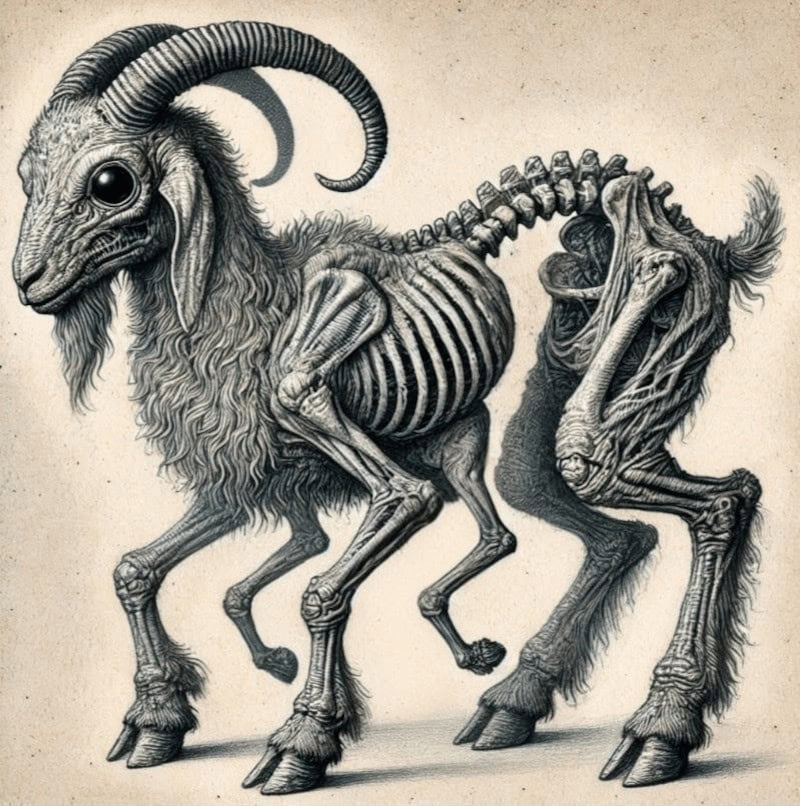
The uncanny valley is your best friend – elongate limbs, remove symmetry, and push the boundaries of what looks almost normal, but not quite. The result? Pure unsettling perfection.
- The secret recipe: a pinch of uncanny valley, a dash of nightmare fuel, and a whole lot of “that ain’t right.”
- Techniques for making hollow eyes, exposed ribs, and extra limbs look creepy.
6. Textures & Details for Horror Animal & Creature illustrations
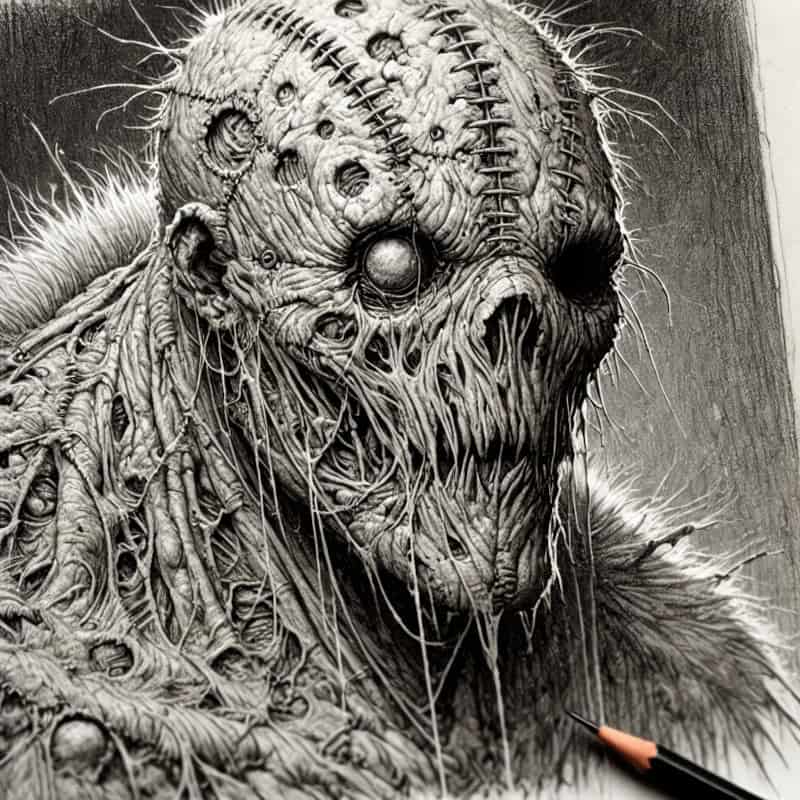
Scars, wrinkles, decay – textures can make or break the horror factor. A creature covered in slimy skin, cracked bone, or stitched-together fur is bound to leave an impression (and probably a few nightmares).
- Wrinkles, scars, and decay – because smooth, flawless creatures just aren’t scary.
- Fur & bone combos that make your creature look both elegant and horrifying.
- Enhancing horror creatures with slimy, skeletal, or otherwise unsettling details.
7. How a Lack of Features Can Make a Creature More Terrifying
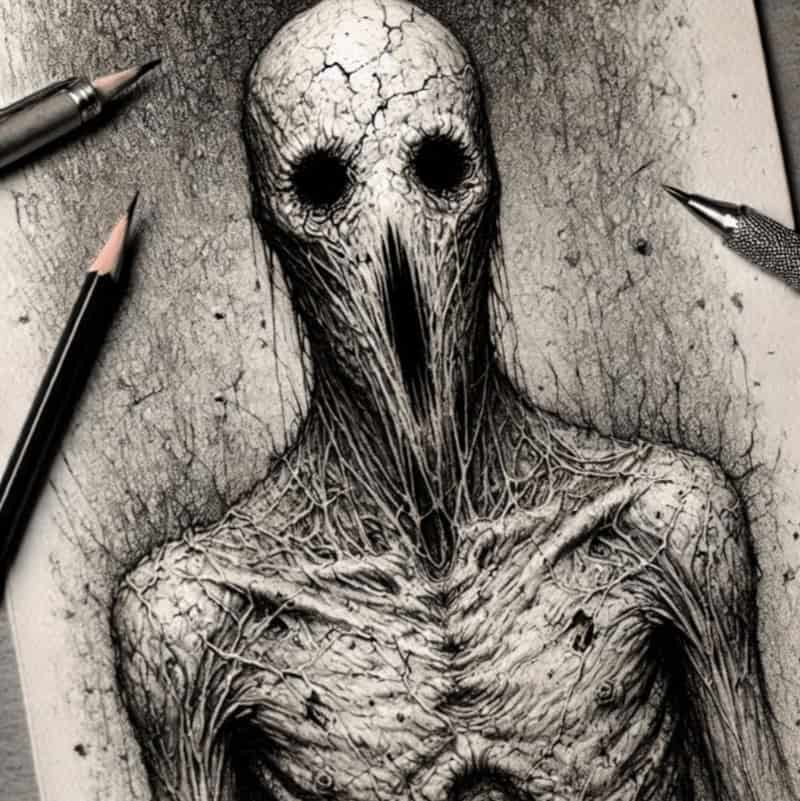
Sometimes, less is more. Hollow eyes, featureless faces, or missing limbs create an eerie, unnatural presence that makes your audience’s imagination do the scaring for you.
- Featureless faces, hollow eyes, missing limbs – why absence is often far scarier than excess.
- Experimenting with shadowed details to leave parts unseen for added horror.
Further Exploration
So, you’ve mastered the art of making horrifying creatures… but what if you took things even further? If you want to push the eerie factor beyond skeletal beasts and mutated hybrids, consider adding some fantasy horror elements.
Imagine glowing eyes peering through the darkness, eerie runes etched into bones or supernatural auras that scream, “This thing is definitely cursed.” If you’re drawn to the twisted side of mythology, check out Mystical Creature Design for Fantasy and Horror Art for even more ways to haunt your sketchbook.
Conclusion: bringing horror creatures to life
Transforming animals into unsettling creatures is all about finding the perfect balance between realism and nightmare fuel. With the right mix of stretched proportions, eerie textures, and just the right amount of “why does it feel like it’s watching me?” you can bring horrors to life in ways that will leave your audience both fascinated and mildly disturbed.
At its core, horror creature design is about embracing the unknown, taking creative risks, and allowing your imagination to twist the ordinary into something that lingers in the mind, preferably as someone is trying to fall asleep.
Now it’s time to take these techniques, distort reality, and let your creatures haunt the darkness.
Stay spooky!