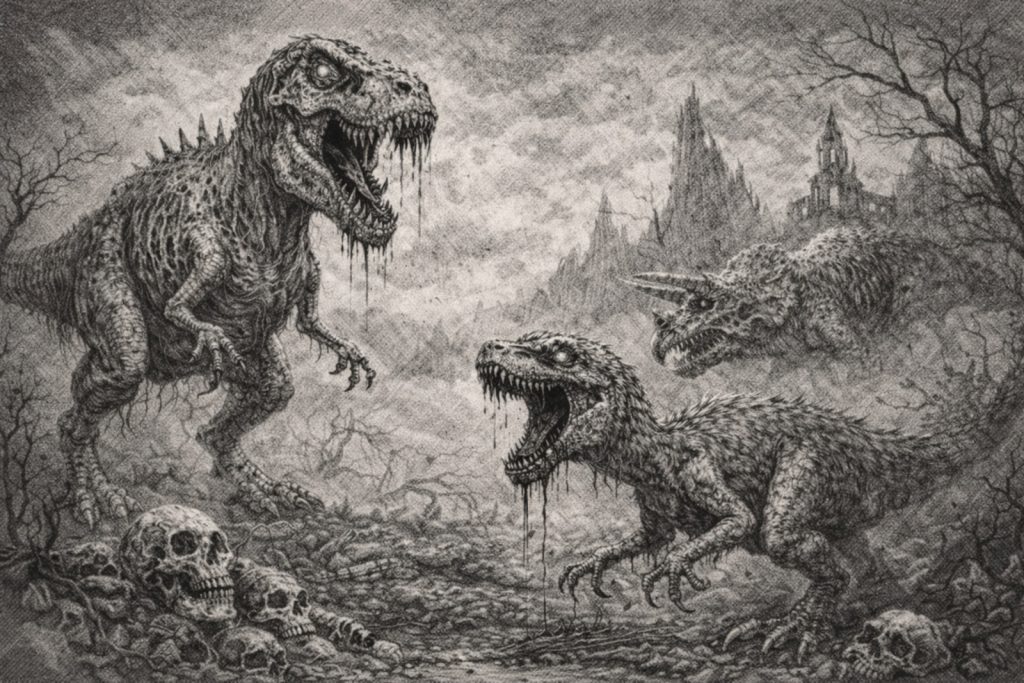
Dinosaurs didn’t just vanish millions of years ago – in horror art, they claw their way back into existence. This hub is dedicated to transforming prehistoric giants into creatures that haunt the imagination. Forget the museum displays and dusty fossils; here, you’ll learn how to resurrect the T. rex as a skeletal king of the graveyard, reimagine raptors as pack-hunting ghouls, and turn gentle plant-eaters into monstrous tanks dripping with decay.
Horror art gives us permission to exaggerate, distort, and reanimate, and dinosaurs are the perfect canvas for that creativity. After all, they already looked like monsters – we’re just making them worse. Think Jurassic Park, but the gift shop only sells cursed fossils, and the raptors at the customer service desk ask if you’d “like that receipt with blood or without?“
1. Dinosaur Skulls & Fossils
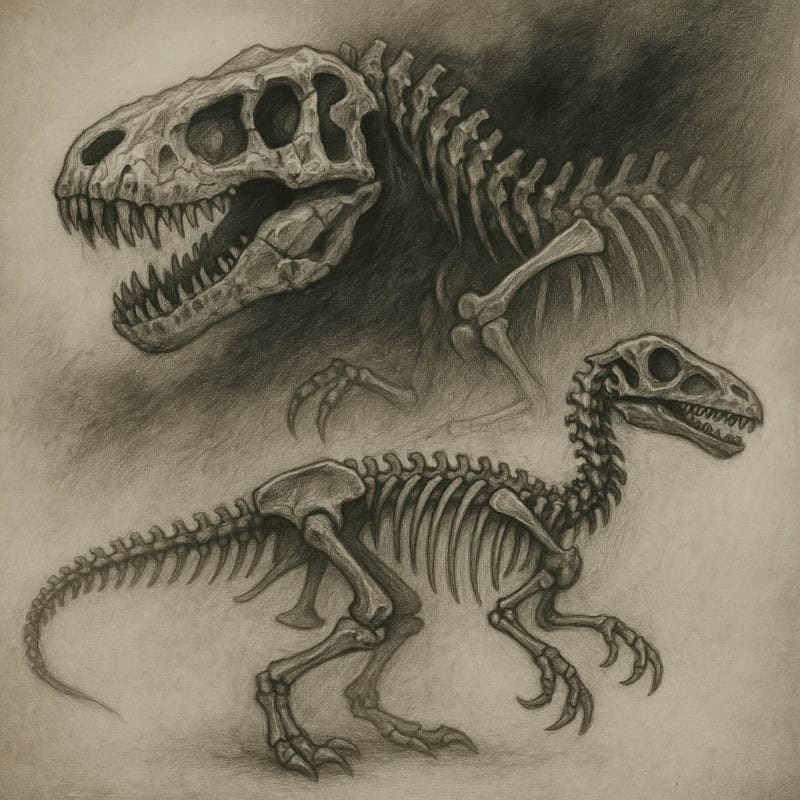
Bones are a horror artist’s best friend. In this section, we’ll focus on dinosaur skulls, fossil fragments, and skeletal remains, and how to make them look downright sinister. Drawing skulls is a fantastic way to practice proportions, shading, and bone textures, but when you add a horror twist, they become something more. Imagine a raptor skull with cracks glowing faintly as though cursed, or a T. rex skull looming out of the shadows like an omen.
Fossils don’t have to be static museum pieces; with dramatic lighting and eerie backgrounds, they can feel like relics from some prehistoric nightmare that should’ve stayed buried.
2. Undead Dinosaurs
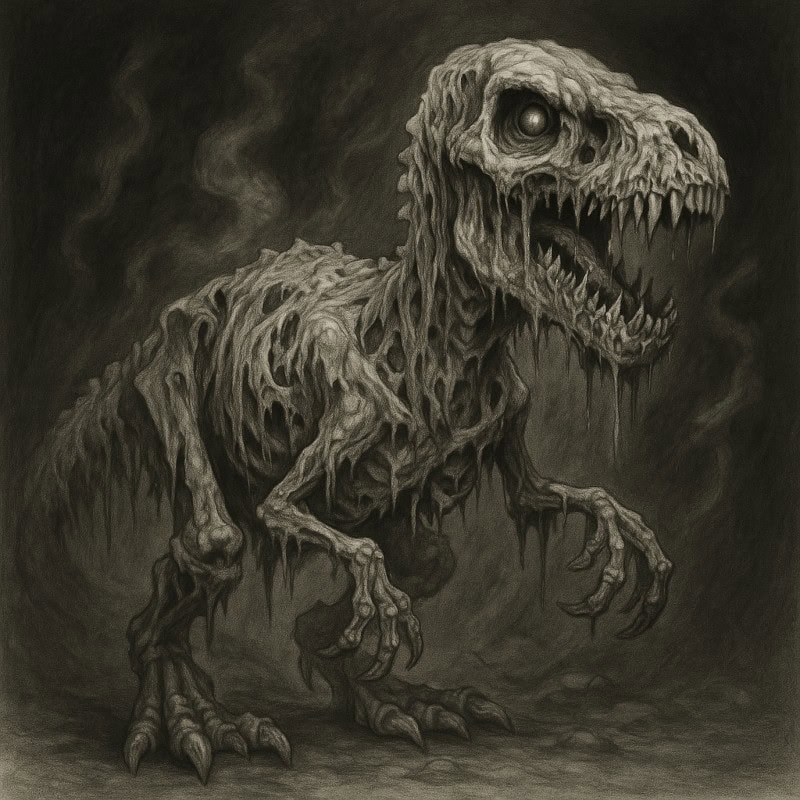
What’s more terrifying than a dinosaur roaring in your face? One that roars even after it’s been dead for millions of years. Undead dinosaurs give you the freedom to push into grotesque details: torn flesh hanging from ribs, exposed bone, hollow eye sockets glowing faintly with unnatural light.
In this section, we’ll explore techniques for adding decay and rot to make your dinos look like they crawled out of tar pits or clawed their way free from a mass grave. These designs are a playground for texture – cracked hide, dripping tar, and skeletal frames – all shaded in ways that suggest something ancient but not at rest. Palaeontology meets necromancy, and the results are deliciously disturbing.
3. Hybrid Horrors
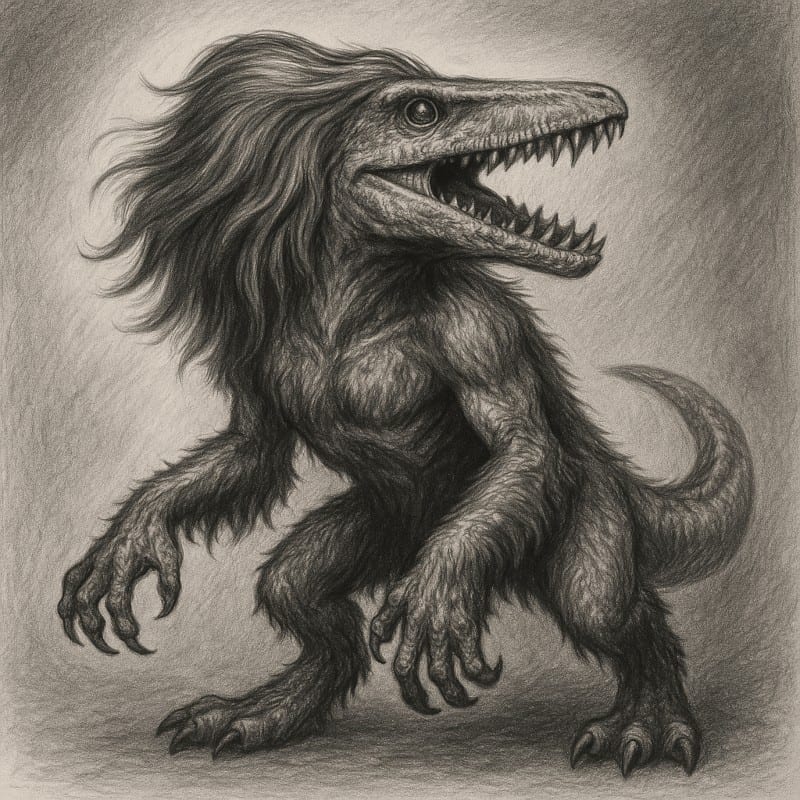
Dinosaurs are scary enough as they are, but what happens when you fuse them with classic horror tropes? That’s where the hybrids come in. Picture vampire raptors with long, bloodstained fangs, skeletal pterosaurs swooping through mist like banshees, or even a triceratops that’s been reanimated with patchwork flesh like Frankenstein’s monster.
Hybrids allow you to experiment with exaggeration and creativity – blending gothic elements, demonic traits, or spectral qualities into your prehistoric beasts. It’s about asking “what if?” and then answering with a drawing that makes people deeply regret asking. This section will help you push dinosaurs out of natural history and into pure nightmare fuel.
4. Dynamic Horror Poses
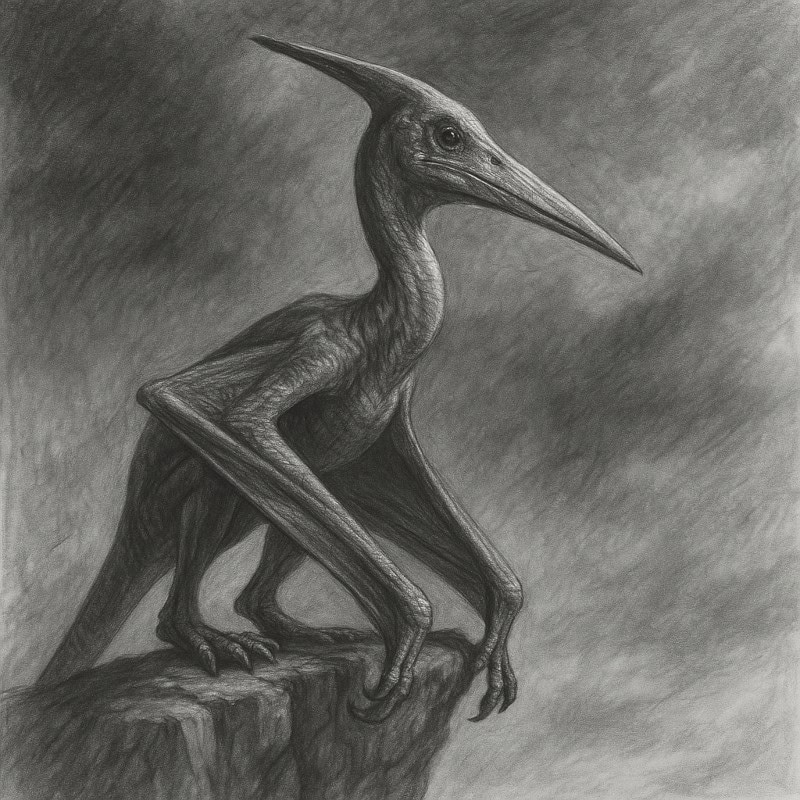
Dinosaurs weren’t exactly shy creatures – they already towered, lunged, and loomed over their prey. But horror art is all about exaggeration, and dynamic poses take that to the next level. Here, you’ll learn how to sketch raptors bursting from shadows mid-leap, T. rexes looming over the viewer with jaws wide open, or pterosaurs diving like winged demons.
Perspective is your best friend for making these monsters feel huge and unstoppable, while heavy contrast and shadow play amplify the terror. With the right pose, even a herbivore can appear like it’s charging straight out of a nightmare. The goal is simple: make the viewer feel like prey.
5. Textures of Terror
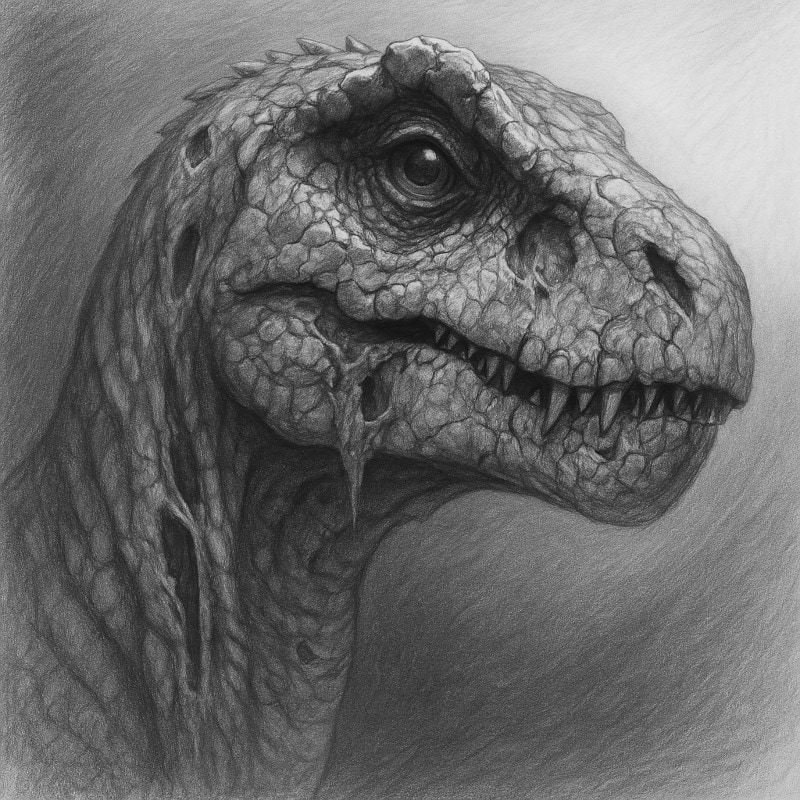
Skin makes the monster. In this section, we’ll explore how to draw and shade dinosaur skin with a horror flair, featuring cracked scales that look dry and lifeless, scar tissue from ancient battles, or rotting flesh stretched thin over bone. You’ll learn to mix reptilian detail with decay, creating textures that are both tactile and disgusting. Want to give your undead stegosaurus blistered hide? Or cover your raptor in fungal growths like it wandered out of The Last of Us? This is where you’ll master the details that make your dinosaurs look not just scary, but gross in the best possible way.
6. Humour in the Fossils
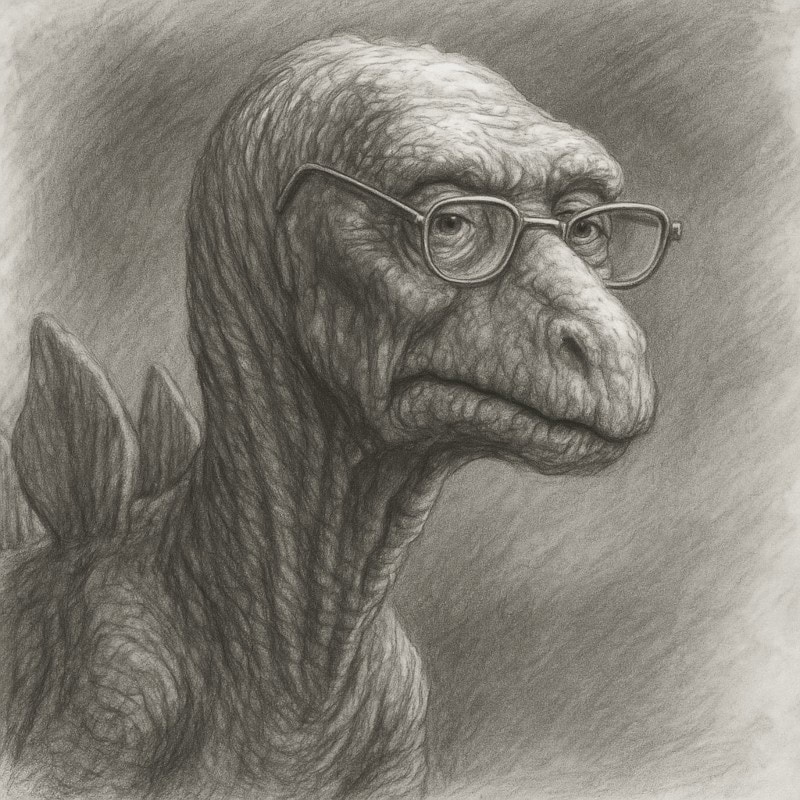
Not every dinosaur in horror art has to be bone-chilling – some can just be bone-headed. This section is where prehistoric nightmares meet the ridiculous, with creatures that belong in both a bestiary and a stand-up comedy set. Sure, we’ll cover the terrifying undead raptors and cursed T. rex skulls, but we’ll also make room for the oddballs that stomp straight out of the sketchbook, giggling.
- The Veloci-Snatcher
Less interested in prey, more interested in swiping your sandwiches when you’re not looking. - The Gothasaurus
Stegosaurus with dramatic eyeliner and a tail that “sighs heavily” every time it swings. - Tar Pit Drama Queen
Forever dragging itself out of tar with an over-the-top roar like it’s auditioning for Les Misérables. - The Snackrosaurus
A very terrifying beast… until it sees biscuits. Then it just sits. And stares. Until you share. - The Fossilosaurus
Too old for all this. Constantly complains about “the meteor back in my day” and falls asleep mid-chase. - The Panicadon
Big armoured dino, but jumps at its own shadow. Basically, the tank of the dinosaur world… with anxiety.
These lighthearted entries prove that horror art doesn’t always have to be serious. Sometimes the funniest designs are also the most unsettling – because nothing’s quite as scary as a raptor asking you to join its loyalty programme… in flesh.
Conclusion
Dinosaurs might have become extinct millions of years ago, but in horror art, they’re alive, undead, and absolutely thriving. From skeletal fossils that look ready to bite, to towering undead T. rexes stomping through the fog, these prehistoric giants are the perfect playground for creepy creativity. This hub gives you the tools to twist natural history into something far darker – whether that means eerie shading, grotesque textures, or poses that make the viewer feel like raptor lunch.
And, of course, horror doesn’t always have to be serious. Sometimes your zombie triceratops just needs a little eyeliner, or your raptor wants to work a part-time job at the cursed gift shop. (Let’s face it, customer service was always a horror story anyway.)
So grab your pencils, dig up some inspiration, and get ready to bring the fossil record back with a scream.