How to Create Psychological Horror in Art
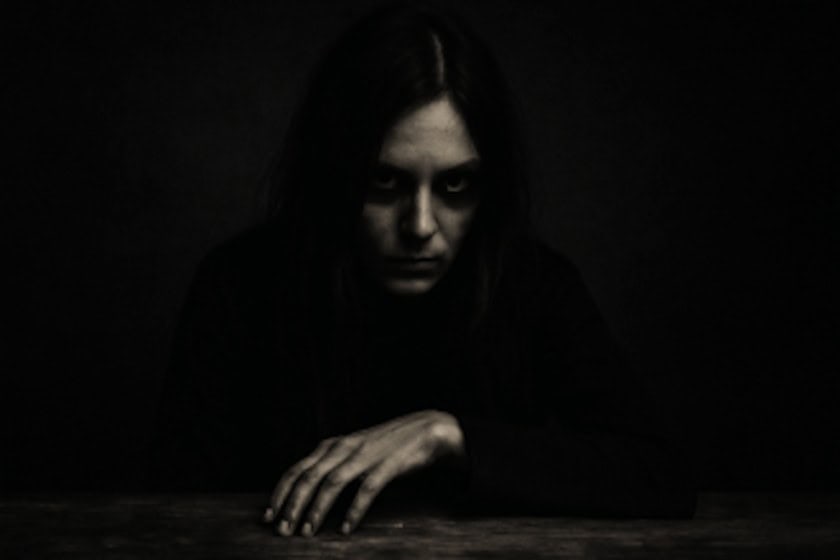
Psychological horror in art is the most unsettling kind of fear because it isn’t what you see – it’s what your mind fills in. Psychological horror thrives on suggestion, subtlety, and that eerie sense of something’s not quite right. Mastering this in your artwork lets you craft fear through mood, tension, and uncanny details that haunt your viewer long after they’ve looked away. Because nothing says “job well done” like someone refusing to turn off the lights after seeing your work.
If done right, psychological horror is like inviting someone to a dinner party, then serving them nothing but silence and unsettling glances until they start questioning every life choice that led them there. Your art can have the same deliciously awkward, nerve-wracking effect, and that’s when you know you have nailed it.
What is Psychological Horror in Art?
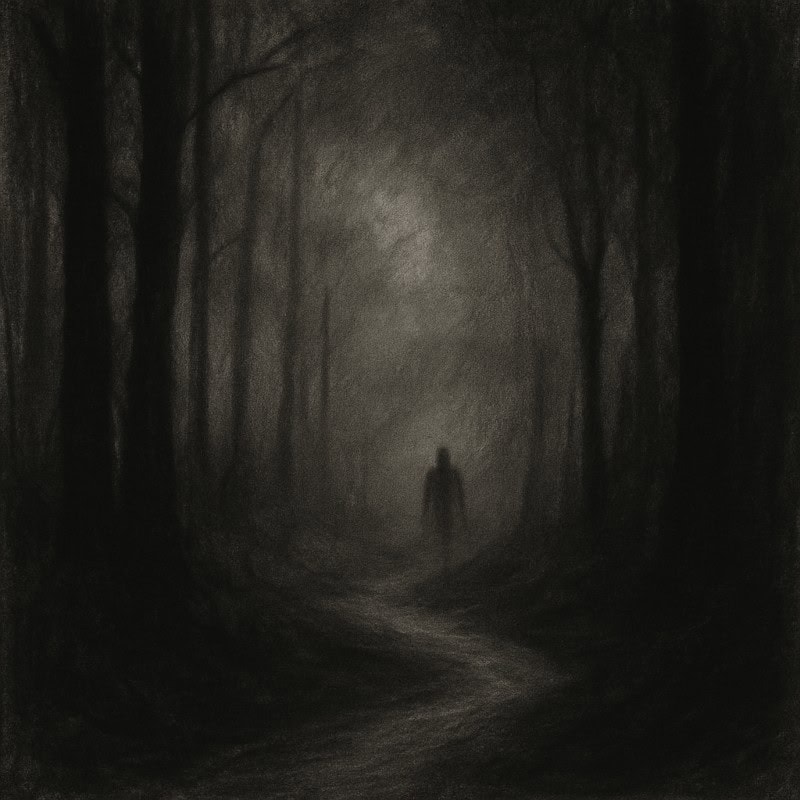
Psychological horror focuses on unsettling the viewer through implication rather than explicit gore. It draws on the imagination and forces the viewer to confront their own fears. Instead of showing the monster outright, you hint that it’s there, lurking just out of sight. This makes it feel more personal and invasive because the viewer fills in the blanks with their own deepest fears.
Why is it so effective? Because the human brain is a master at inventing horrors, and it usually imagines something far worse than you could ever draw.
Why Choose Psychological Horror?
- It lingers. Gore is shocking, but psychological horror creeps under the skin and stays there long after.
- It’s subtle but powerful. You don’t need to show blood to make people squirm.
- It engages the viewer. Your audience becomes part of the story, filling in details with their own imagination.
- It adds depth. Your art becomes a quiet story of dread rather than a loud scream.
Psychological horror also opens the door to exploring more nuanced themes, such as loss, isolation, or madness – the kinds of fears we all carry but don’t like to name.
Techniques to Create Psychological Horror
Shadows & Negative Space:
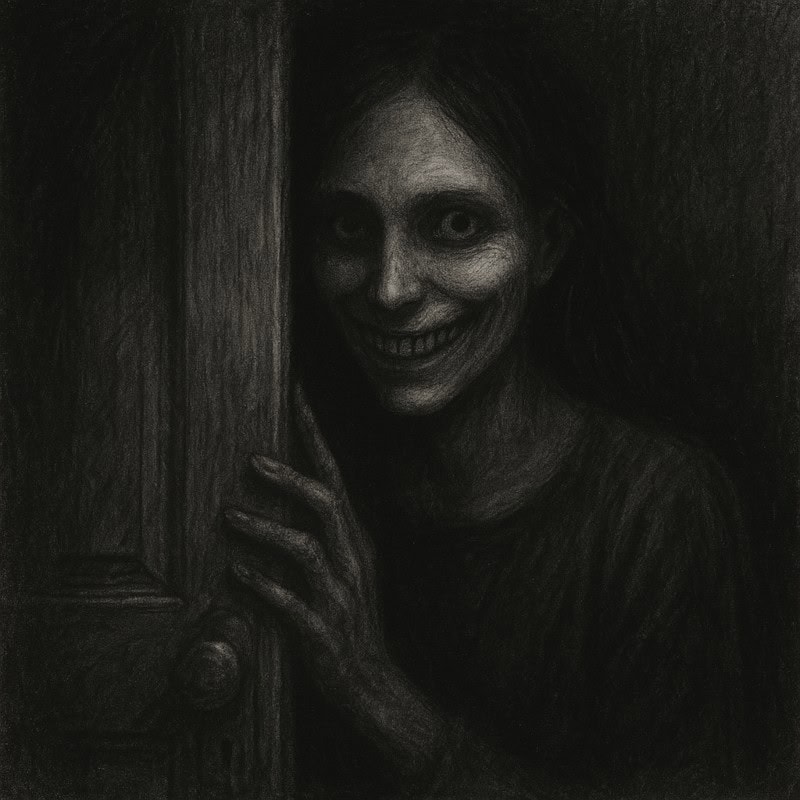
Use darkness to obscure parts of your subject. What lurks in the shadows is often scarier than what’s visible.
Ambiguity:
Make details just vague enough to leave viewers doubting what they’re seeing – is that a face at the window, or just a trick of the light?
Atmosphere Over Action:
Create mood with eerie settings: an empty hallway, a fog-drenched forest, a child’s room that feels off. Your environment is half the scare.
The Uncanny Valley:
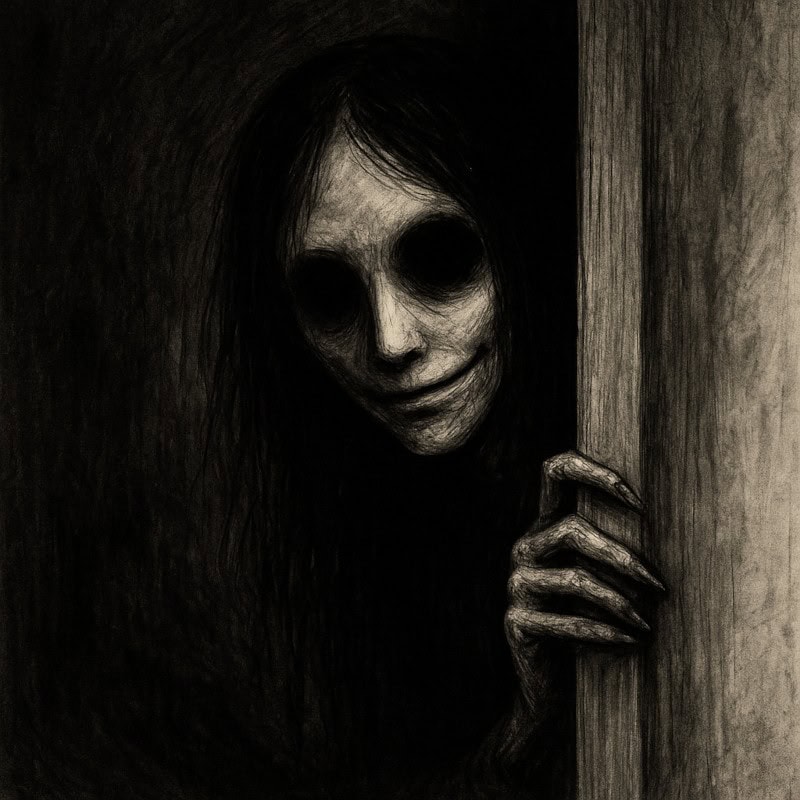
Distort familiar things just enough to be unsettling: a grin that’s too wide, a figure with limbs slightly too long.
Storytelling Through Clues:
Hint at horror by showing the aftermath or evidence: a single shoe in a puddle of water, bloody handprints, or a cracked mirror with something… watching.
These techniques work even better when combined; a darkened room with faint evidence of something wrong is more disturbing than either element alone.
Psychological Horror vs. Gore
While gore hits with shock value, psychological horror builds slow-burn tension and unease. Gore is loud, while psychological horror whispers. And that whisper can echo in your mind for days. Why settle for a cheap jump scare when you can create a masterpiece of dread? Your viewer will thank you. Well, if they can sleep.
Practice Ideas
If you’re ready to get your hands (metaphorically) dirty and start creating unsettling art, here are a few exercises to help you explore psychological horror:
- Draw an empty room that feels occupied.
Use lighting, small details, and perspective to suggest something unseen is watching or waiting just out of sight. Play with open doors, shadows that don’t quite match the objects casting them, or subtle marks on the walls or floor. - Corrupt an ordinary scene.
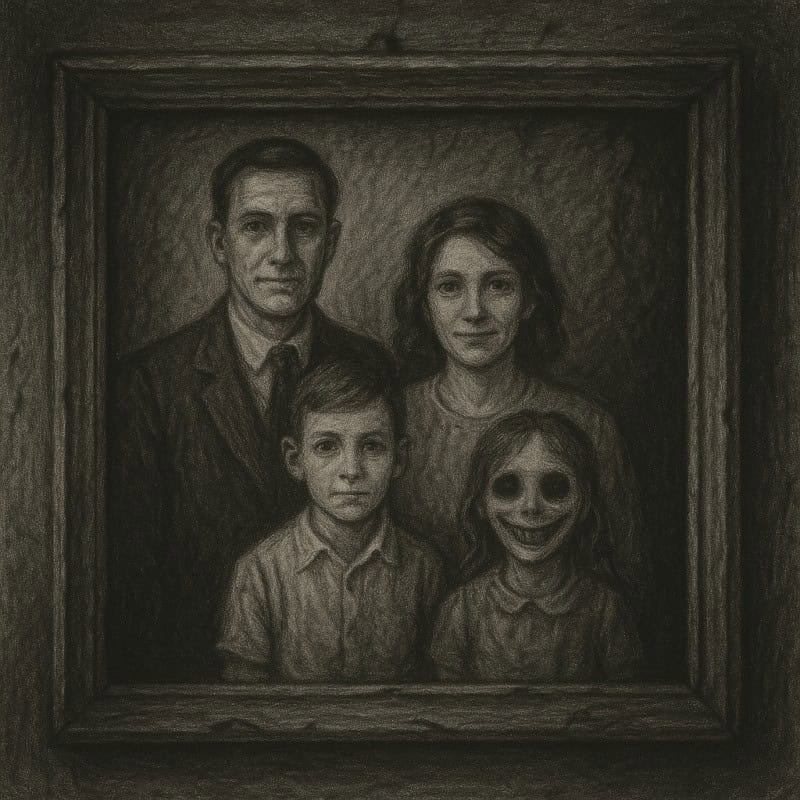
Take a cheerful, everyday moment – like a picnic or a family photo – and add just one or two slightly wrong elements. Maybe everyone in the photo is smiling except one figure staring at the viewer. Or maybe the picnic basket contains a shadowy shape instead of sandwiches. - Focus on expression and body language.
Draw a character who seems normal at first glance but whose posture, gaze, or smile becomes disturbing the longer you look. Subtle asymmetry, unnatural stillness, or overly rigid movements can make a figure feel off. - Imply danger outside the frame.
Create a scene where the real horror is happening just beyond what the viewer can see – maybe the character is staring into a dark doorway with a terrified expression, but the door itself is empty.
These exercises help train your ability to suggest fear and tension without needing to show exactly what’s wrong, which is the heart of psychological horror.
inspiration Corner
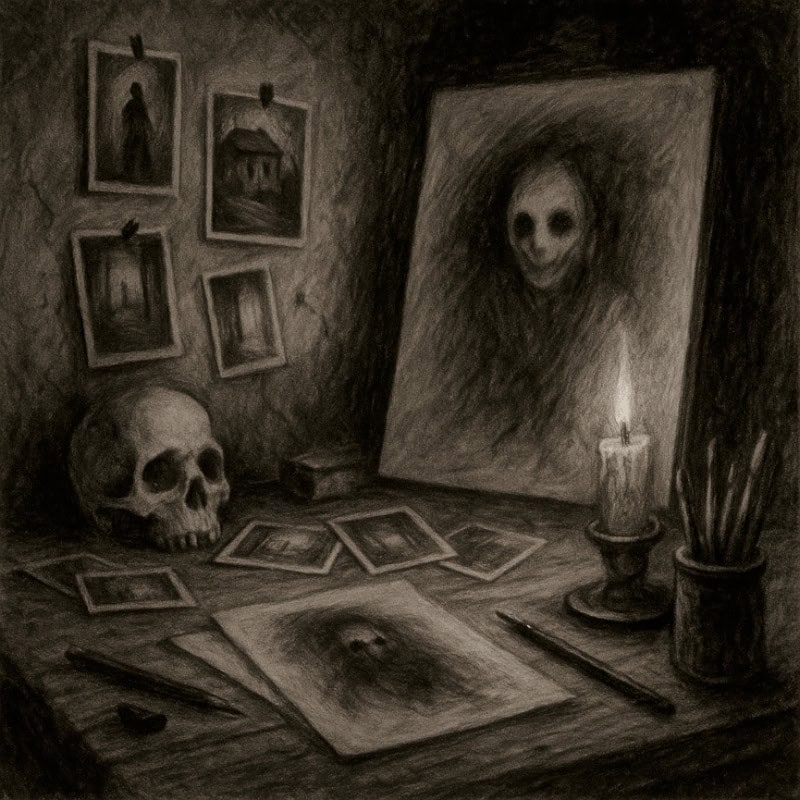
Looking for examples to spark your eerie imagination?
Check out:
- Silent Hill (video game series) – masters of unsettling, ambiguous design.
- The Others (film) – eerie atmosphere and suggestion.
- Little Nightmares (game) – creepy yet understated environments.
- Classic art such as Henry Fuseli’s The Nightmare – haunting without a drop of blood.
And don’t forget to study real-world places and stories too – abandoned buildings, old myths, and ghost stories are full of quiet terrors you can bring into your art.
Explore More Horror Art Tips
Check out these pages:
- Motivation & Creativity
Spark new ideas, beat creative slumps, and keep your creepy inspiration alive. - Workspace Setup
Set up an art space so efficient it almost feels haunted by a ghostly project manager. - Horror Art Tools & Materials
Discover the must-have supplies for everything from subtle shadows to bold, terrifying details.