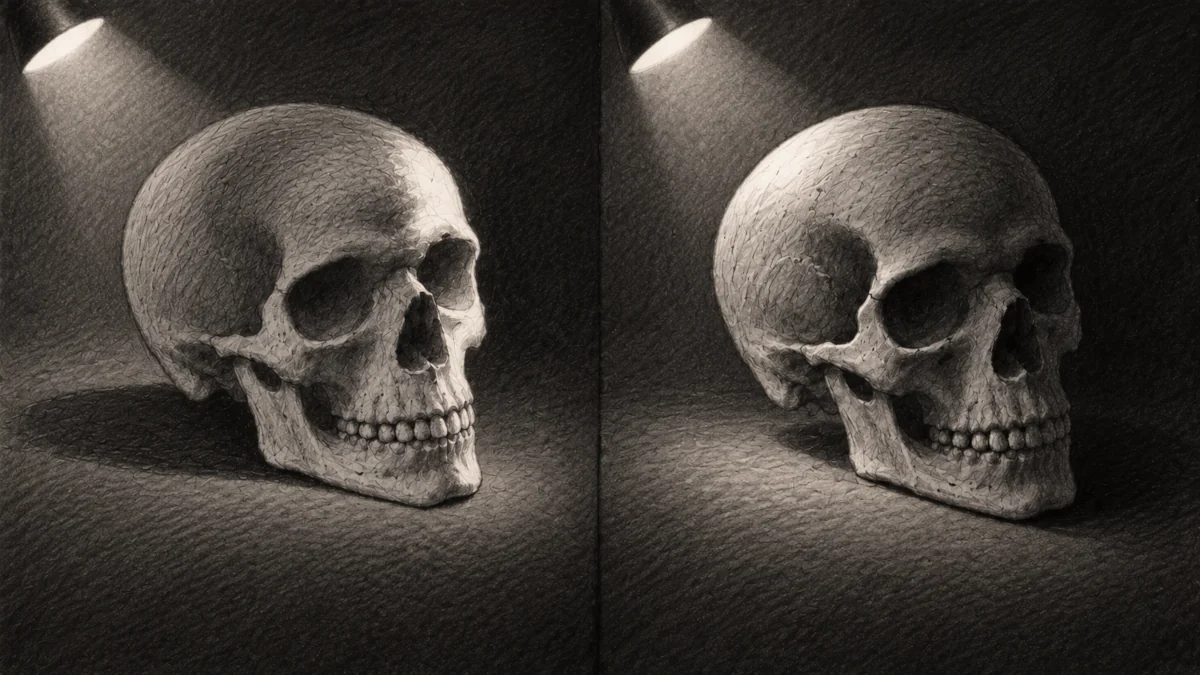
Common Lighting Mistakes in Drawing and How to Fix Them
Lighting can completely transform a drawing, but when something isn’t quite right, even a carefully detailed piece of artwork can…

Lighting can completely transform a drawing, but when something isn’t quite right, even a carefully detailed piece of artwork can…
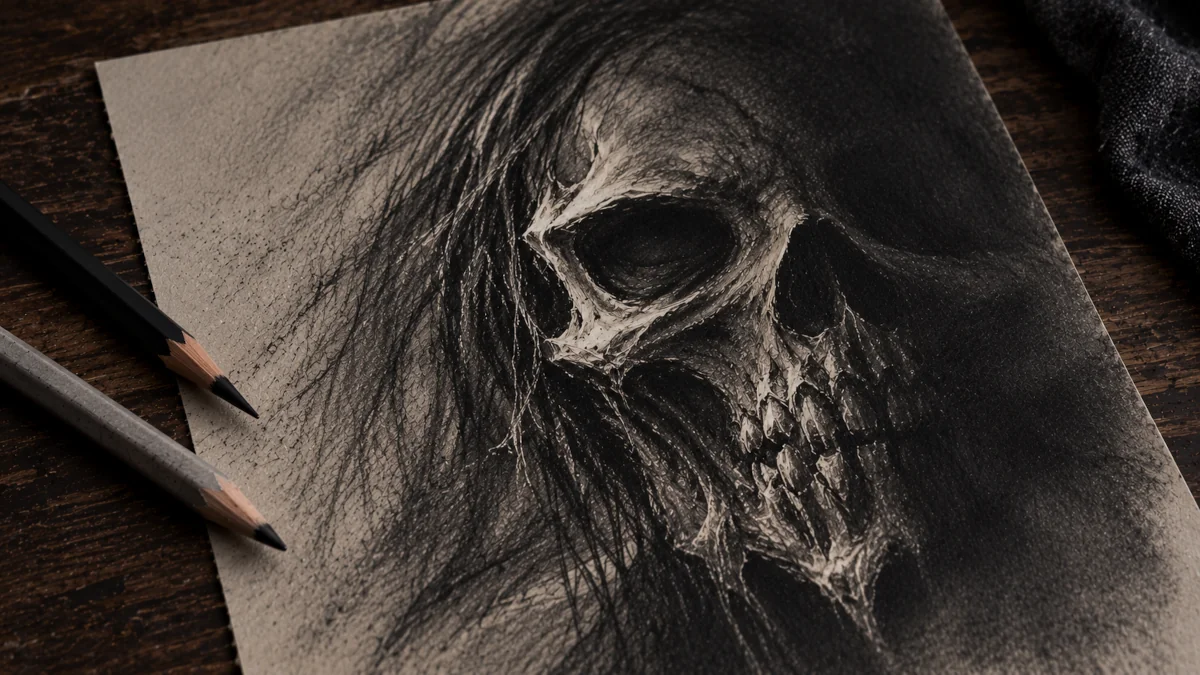
Negative space shading is one of the most effective ways to create eerie, ghostly horror artwork without filling every inch…
Discover how to develop your own horror art style by exploring different genres, experimenting with drawing materials and techniques, and identifying personal influences. Learn how creative exercises, recurring themes and a style journal can help you develop a distinctive artistic identity.
Discover how visual storytelling can transform horror artwork through shadows, symbolism, lighting, and atmosphere. Learn to use subtle visual clues, environmental details, and composition to create unsettling scenes that suggest hidden dangers and tell a deeper story without words.
Learn how to create psychological horror in art using shadows, negative space, unsettling compositions and visual storytelling. Explore techniques for building tension, mystery and atmosphere through suggestion and uncertainty, without relying on graphic imagery.
Discover useful websites for horror art references, from human and animal anatomy resources to gothic inspiration, free reference photos, 3D tools and creative techniques for developing original artwork.
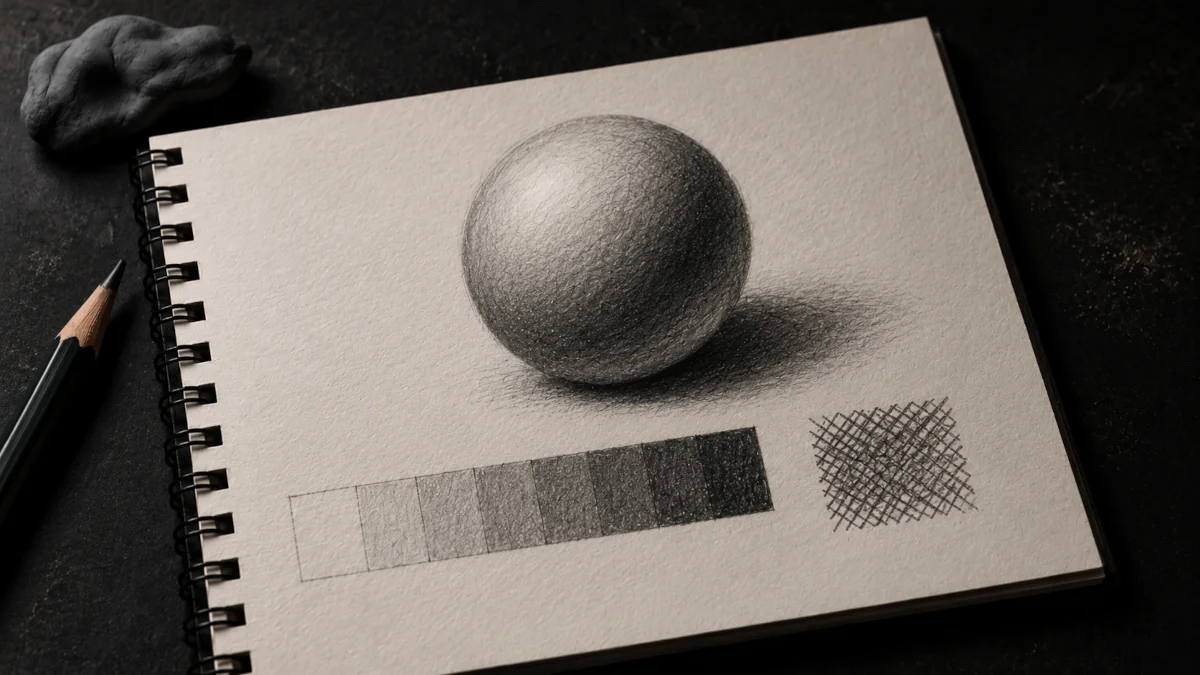
Improve your pencil shading skills with practical exercises covering tonal values, smooth gradients, basic shapes, blending techniques, shadow placement and dramatic lighting for horror art.
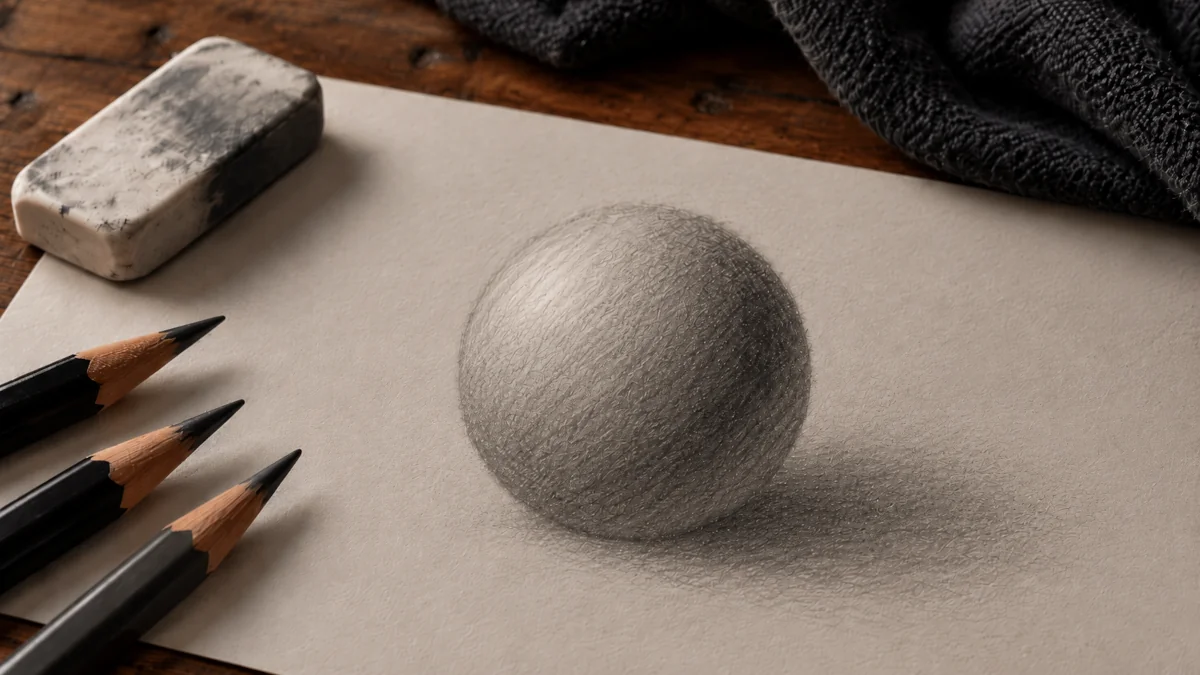
Learn how to identify and fix common shading mistakes, including uneven tones, excessive pencil pressure, over-blending, misplaced shadows and poor contrast, with practical tips to improve your drawing skills.
Explore drawing techniques for creating texture and depth through shading, including layering, cross-hatching, blending and tonal contrast to bring more realism and atmosphere to your horror artwork.
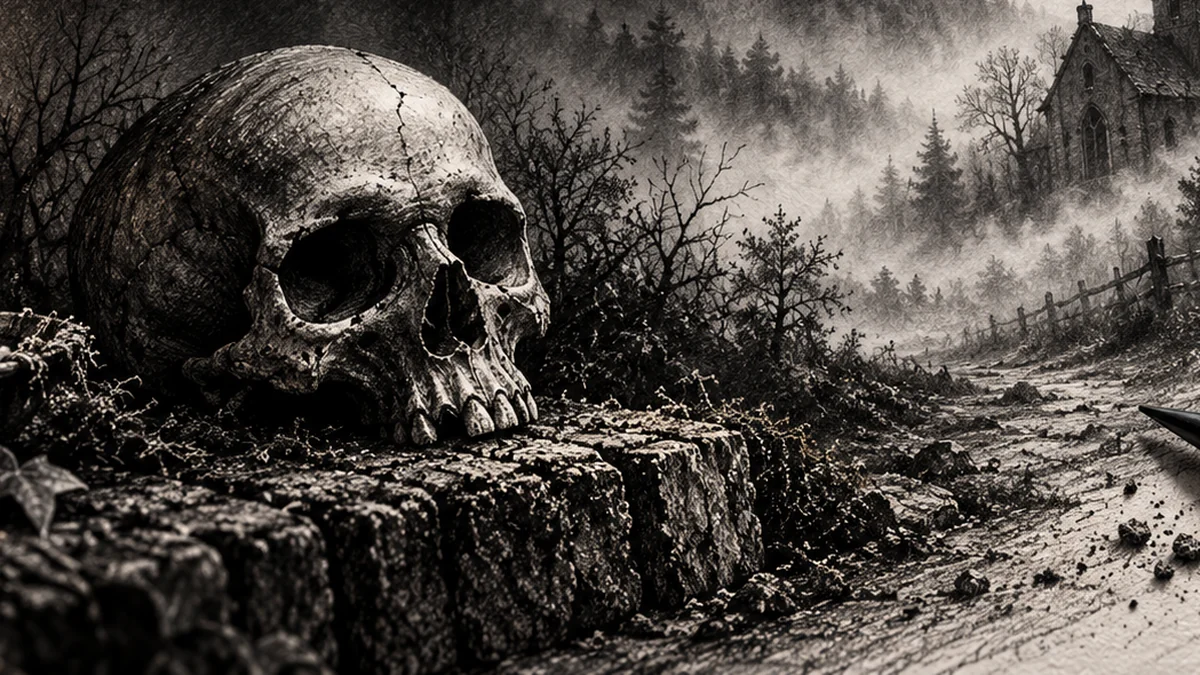
Explore six advanced shading techniques for horror drawings, including layered shadows, textured shading, graphite and charcoal, negative space, selective detail and strategic highlights.