Layering Pencil Shading for Smooth Gradients (and Creepy Realism)
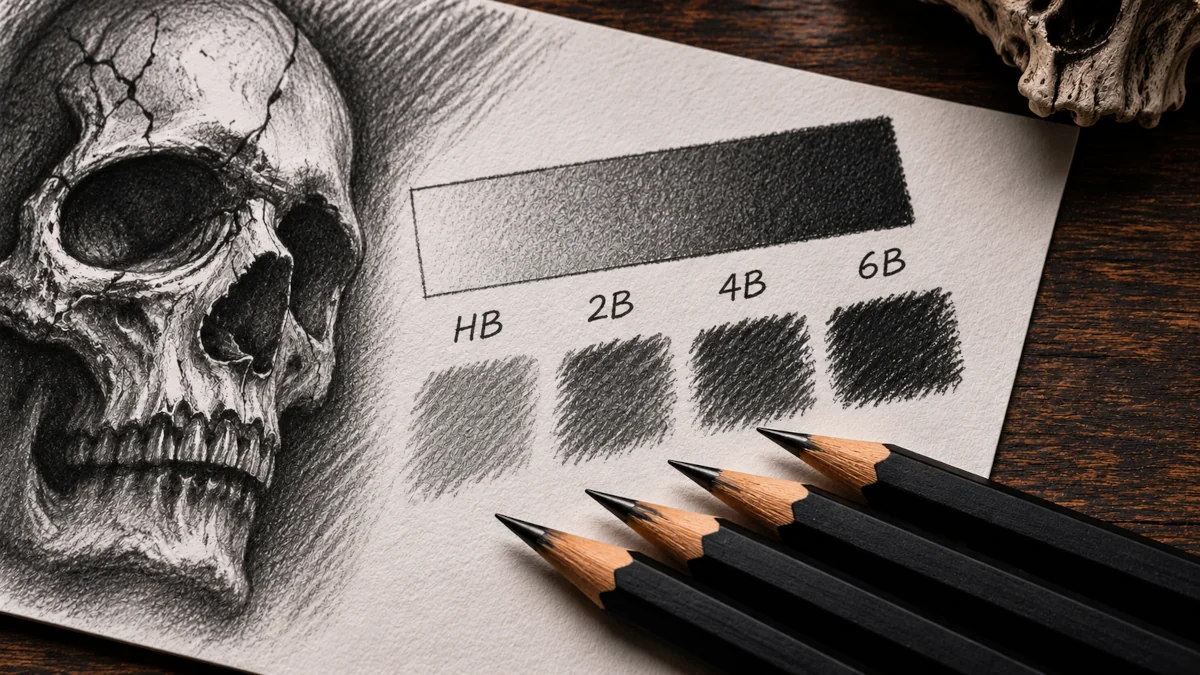
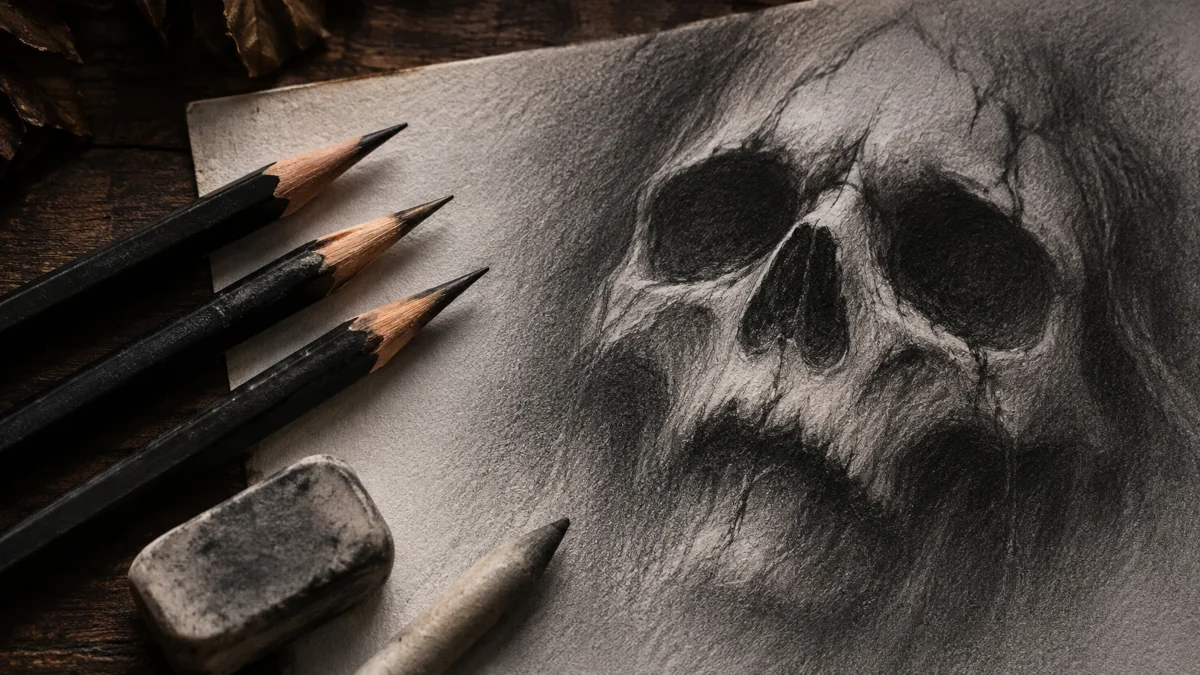
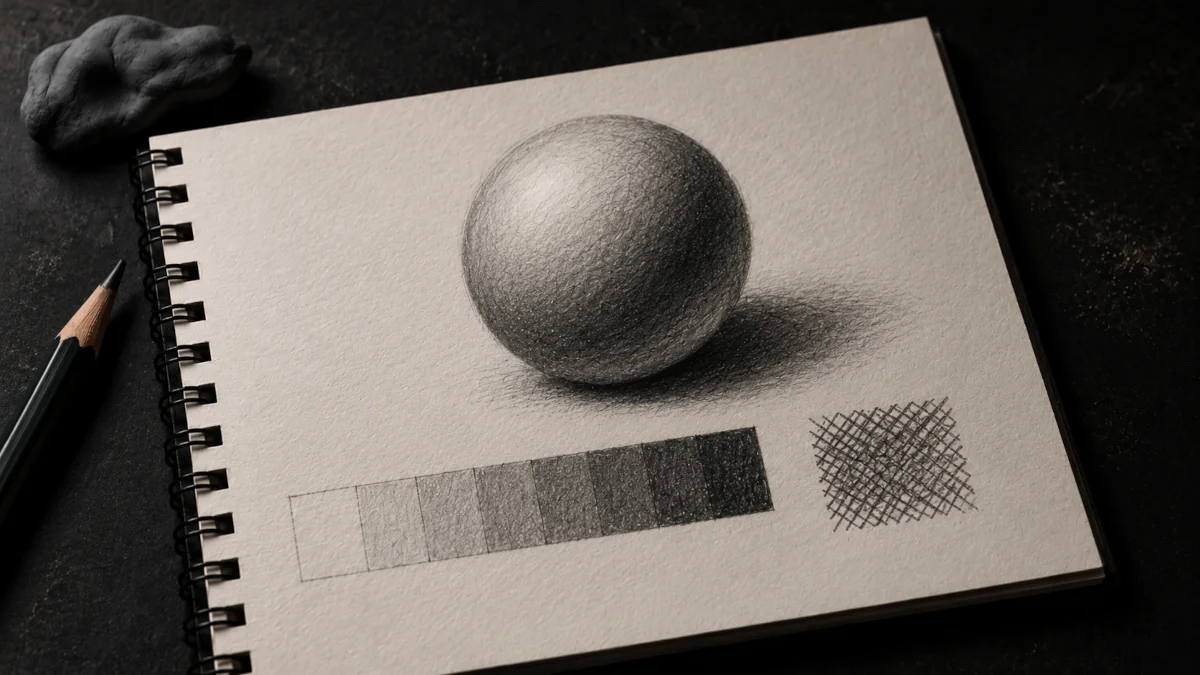
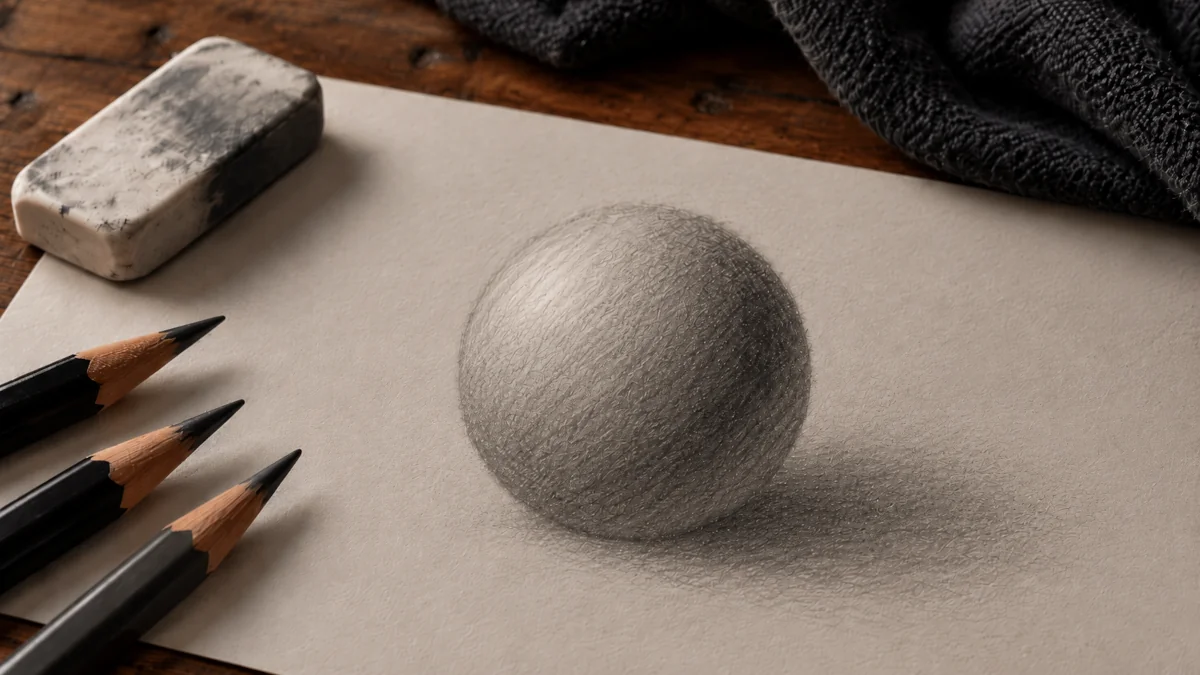
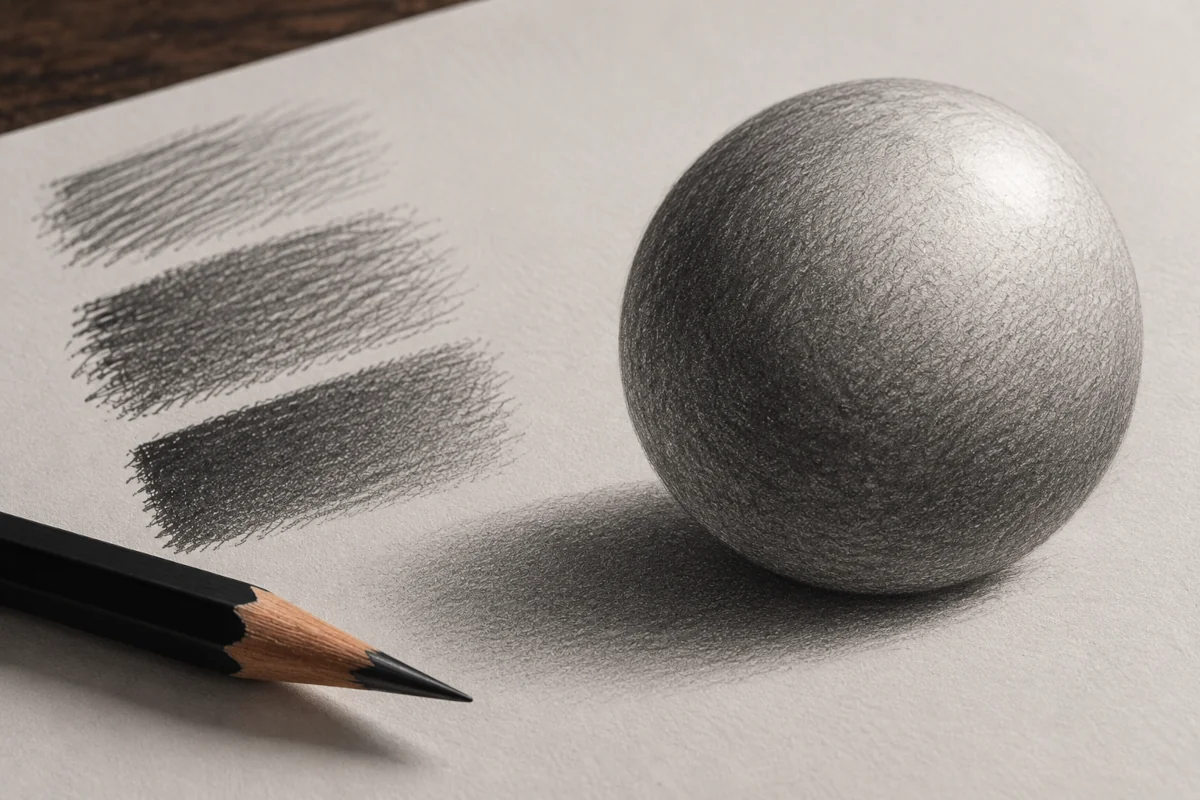
Layering is one of the most important skills in pencil shading. It transforms flat sketches into smoother, deeper, more atmospheric…

Layering is one of the most important skills in pencil shading. It transforms flat sketches into smoother, deeper, more atmospheric…
Learn how to control your tones, understand your pencils, and give your horror art the shading depth it deserves. Struggling…
Explore essential shading techniques for creepy drawings, including hatching, cross-hatching, stippling, scumbling and blending. Learn how to create unsettling textures, build depth with light and shadow, use dramatic contrast and practise shading exercises to improve your horror artwork.
Improve your pencil shading skills with practical exercises covering tonal values, smooth gradients, basic shapes, blending techniques, shadow placement and dramatic lighting for horror art.
Learn how to identify and fix common shading mistakes, including uneven tones, excessive pencil pressure, over-blending, misplaced shadows and poor contrast, with practical tips to improve your drawing skills.
Explore drawing techniques for creating texture and depth through shading, including layering, cross-hatching, blending and tonal contrast to bring more realism and atmosphere to your horror artwork.
Learn the basics of pencil shading, including light and shadow, blending, hatching, layering and pencil pressure, with practical tips and exercises to improve your drawing skills.
Explore six advanced shading techniques for horror drawings, including layered shadows, textured shading, graphite and charcoal, negative space, selective detail and strategic highlights.
Learn how to create depth and drama in horror art using realistic shadows and graphite shading techniques. Explore highlights, midtones, reflected light, soft and hard shadows, blending methods and practical shading exercises to give your drawings greater realism and atmosphere.