Advanced Shading Techniques for Horror Drawings
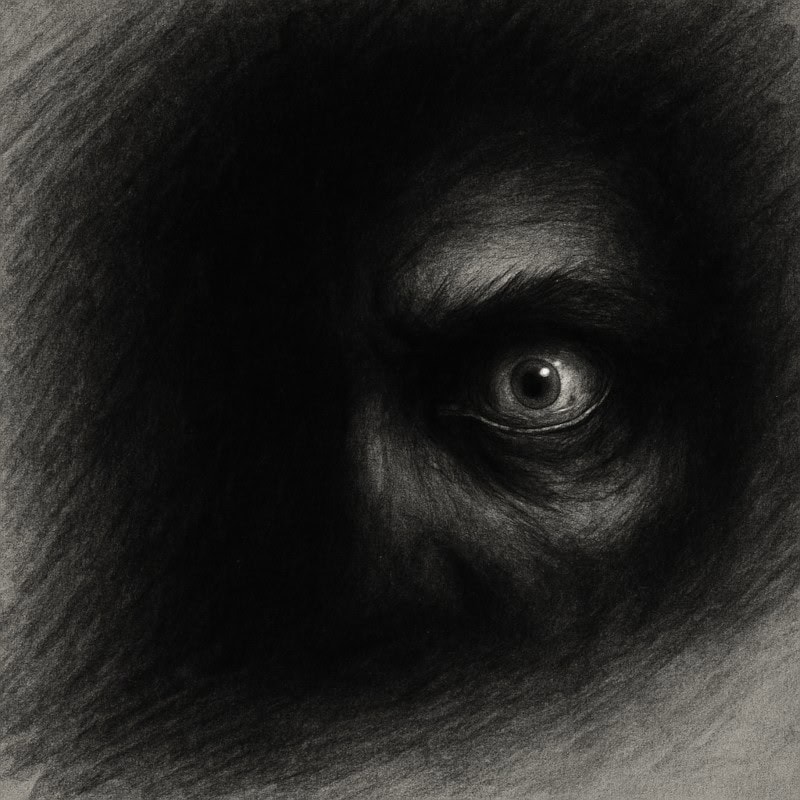
So, you’ve mastered your value scales, spheres, and candelit teddy bears. Now it’s time to step into the deep end of the shadow pool – the place where shading gets dramatic, layered, and downright unsettling. Advanced shading isn’t about showing off technical skills; it’s about using darkness to create mood, tension, and that deliciously creepy vibe horror thrives on. Think of it as shading so good, your eraser files for early retirement.
These advanced shading techniques for horror drawings will help you go beyond the basics and give your horror drawings the kind of depth that makes viewers squirm (in a good way).
In this guide, we’ll explore several advanced shading techniques used in horror drawings. Each section links to a deeper tutorial so you can study the technique in detail.
1. Layered Shadows for Extra Depth
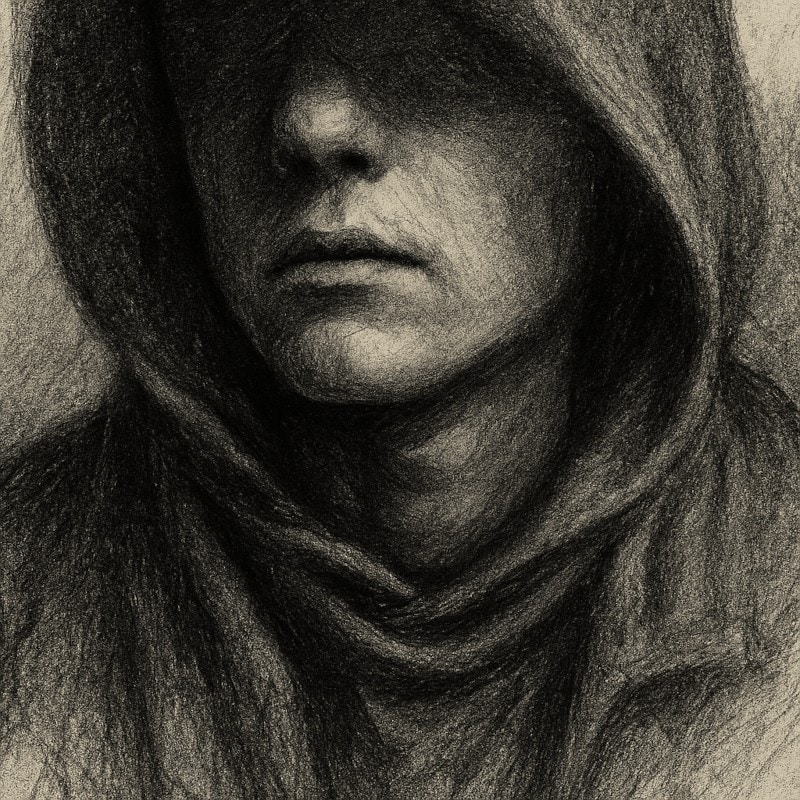
What this is: Instead of shading once and calling it done, advanced artists build multiple layers of tone because shadows in real life rarely happen in a single pass – they build up like onion layers of darkness. Each pass darkens the values, adds subtle gradients, and makes the shadows richer.
How to Practice:
- Shade a sphere or figure in 3-4 passes. Start light, then deepen shadows gradually.
- Look for areas where shadows overlap – under chins, inside folds of clothing, and corners.
- Build layers until the darkest areas feel “heavy” and convincing.
Horror Tip:
Overlapping shadows in corners or behind characters instantly suggest something lurking just out of sight.
Levels:
- Beginner: Shade an object once, then add a second darker layer only in the deepest shadow.
- Intermediate: Build 3-4 layers with smooth transitions.
- Advanced: Use layering to create overlapping textures (like shadow on wrinkled skin).
I go into this technique in more detail in the Layered Shadows for Extra Depth post, focusing on how to build shadows gradually for stronger depth.
2. Textured Shading for Skin, Decay & Surfaces
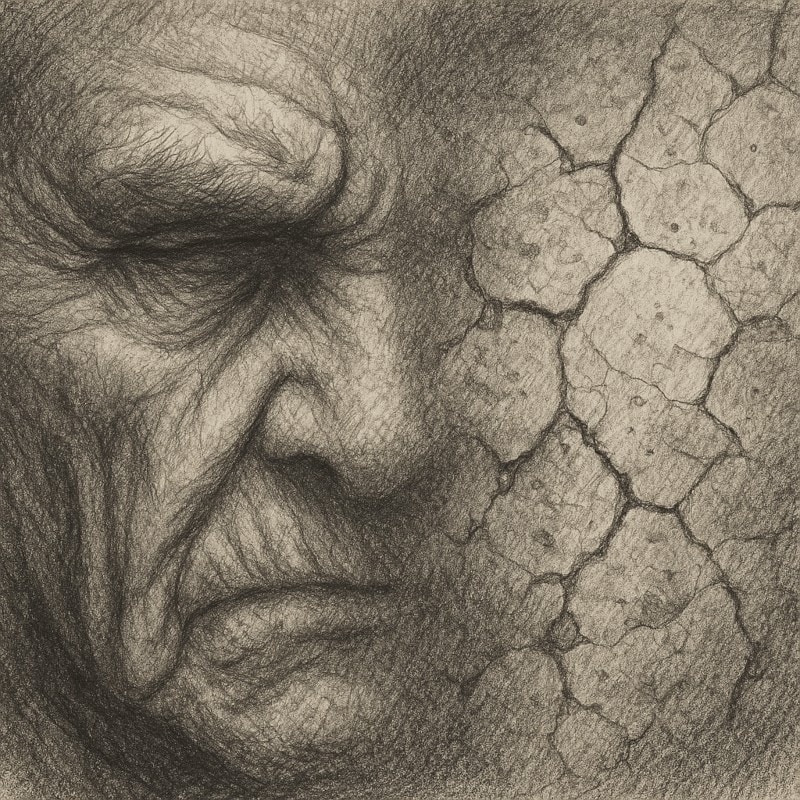
What this is: Not all shadows are smooth. Horror thrives on textures – cracked stone, wrinkled skin, mouldy walls, rotting flesh. Mouldy wallpaper is creepy, but add shadowed cracks, and suddenly it feels like the wall itself is watching you.
How to Practice:
- Choose a surface, such as stone, fabric, or skin and study a photo reference.
- Instead of blending smoothly, use hatching, stippling, or rough strokes.
- Layer shadows to suggest cracks, folds, or grime.
Horror Tip:
Wrinkles on skin become more frightening when you deepen the shadows in the folds. Suddenly, your “grandma study” looks like a witch audition.
Levels:
- Beginner: Try adding basic hatch marks instead of blending everything smooth.
- Intermediate: Use two or more techniques (cross-hatch + smudge, stipple + blend).
- Advanced: Create horror-specific surfaces such as cracked bone, peeling wallpaper, or diseased flesh.
For a bit more context on textured shading and when it works best, the Textured Shading for Skin, Decay & Surfaces post examines these ideas in greater detail.
3. Blending Graphite & Charcoal for Extreme Contrast
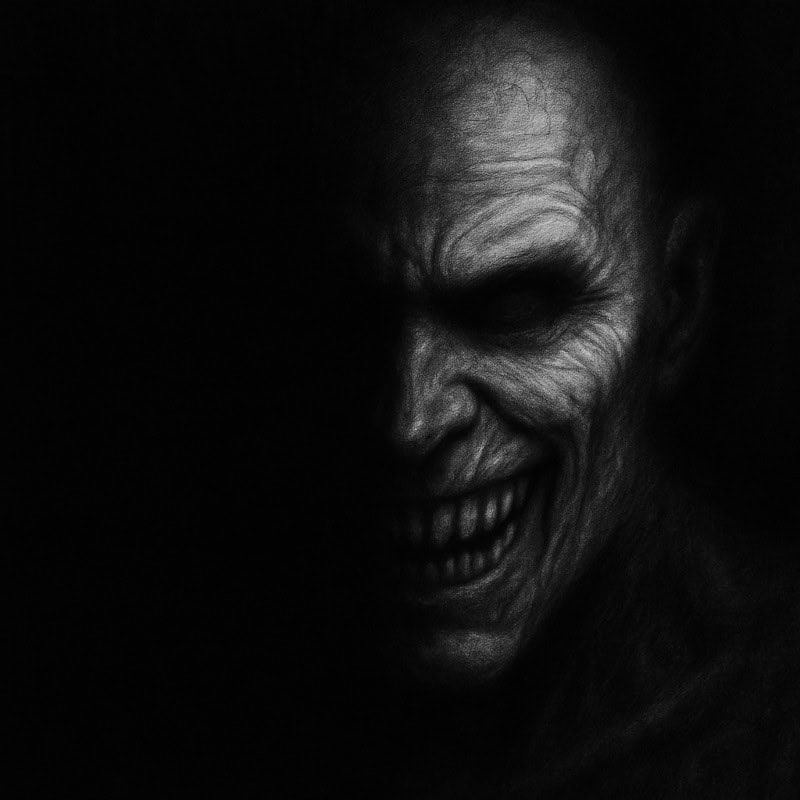
What this is: Graphite whispers. Charcoal screams. Together, they argue on your page, and that tension is perfect for horror art.
How to Practice:
- Use graphite for mid-tones and lighter shading.
- Drop charcoal into the darkest spots (pupils, corners, backgrounds).
- Blend carefully where they meet.
Horror Tip:
A face in graphite with a charcoal-black background looks like it’s emerging from endless darkness. Creepy and effective.
Levels:
- Beginner: Try swapping your darkest graphite with a single charcoal layer.
- Intermediate: Blend both in one drawing to push contrast.
- Advanced: Use charcoal for backgrounds and graphite for figures – make the character feel swallowed by the void.
If you’d like to see this technique used more deliberately, I’ve put together a focused post on Blending Graphite and Charcoal for Extreme Contrast in horror art.
4. Negative Space Shading
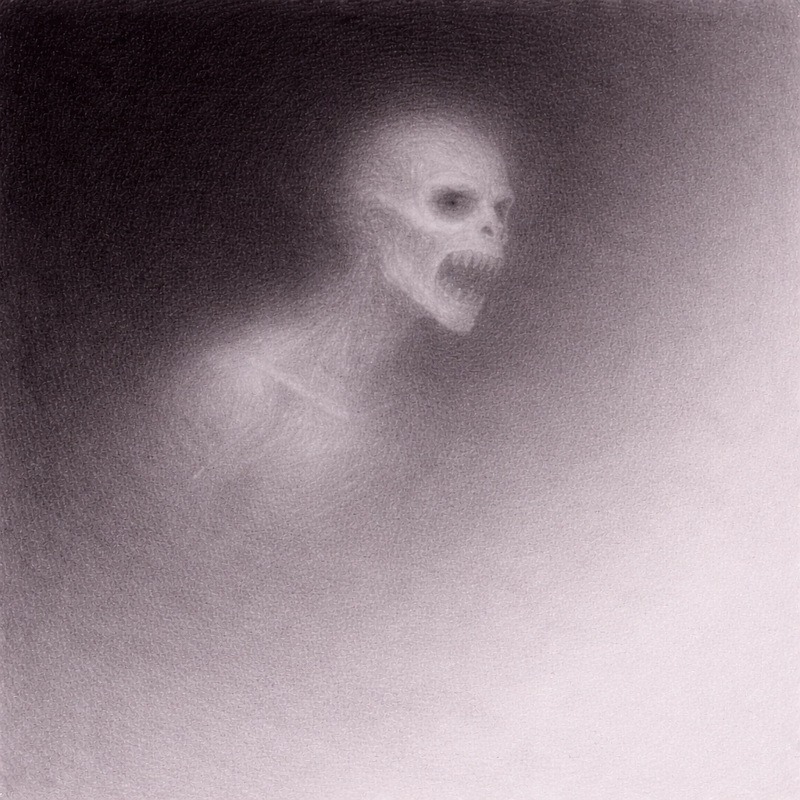
What this is: Instead of shading the figure, shade the background to make the subject emerge from darkness. This is how you make a ghost appear without ever drawing the ghost.
How to Practice:
- Draw a rough outline of a figure or object.
- Shade the background heavily, leaving the figure lighter.
- Decide which details to reveal, which to hide.
Horror Tip:
This technique screams “ghost sighting.” Suggest just enough, and the viewer’s imagination will finish the nightmare.
Levels:
- Beginner: Practice with simple objects (cup, skull) surrounded by a dark background.
- Intermediate: Add partial shading to the figure, letting some areas fade into the dark.
- Advanced: Use negative space to create entire figures that feel like they’re half-vanishing
For a closer look at this approach, take a look at the Negative Space Shading post, where I talk through the core ideas and how to practice them.
5. Suggestion vs. Detail
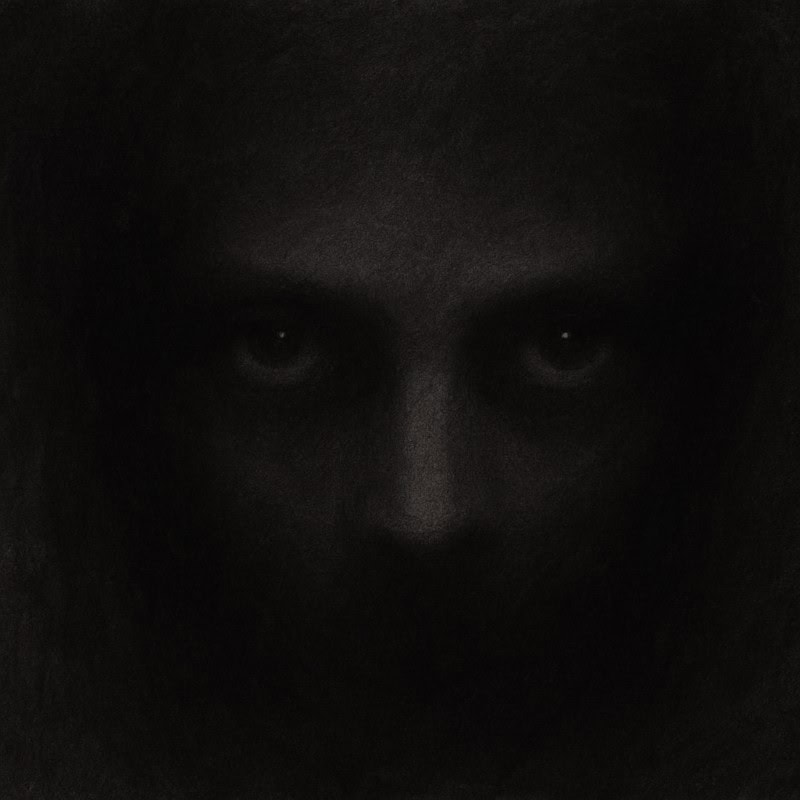
What this is: Understanding what to leave out is as crucial as shading. Suggesting rather than defining creates a sense of unease. For example, sharp eyes appearing from indistinct shadows evoke instant discomfort.
How to Practice:
- Draw a portrait, but only shade key features (eyes, mouth, hands).
- Leave other areas vague or blurred.
- Use sharp contrast to pull focus where you want.
Horror Tip:
A single, perfectly shaded eye on an otherwise blurred face is instant nightmare fuel.
Levels:
- Beginner: Leave one small area unshaded (like hair or clothing).
- Intermediate: Blur/smudge secondary areas to keep focus sharp elsewhere.
- Advanced: Create half-rendered figures where detail bleeds into nothingness.
To dive deeper into how suggestion and detail work together, visit the full post: Suggestion vs Detail in Horror Art.
6. Strategic Highlights
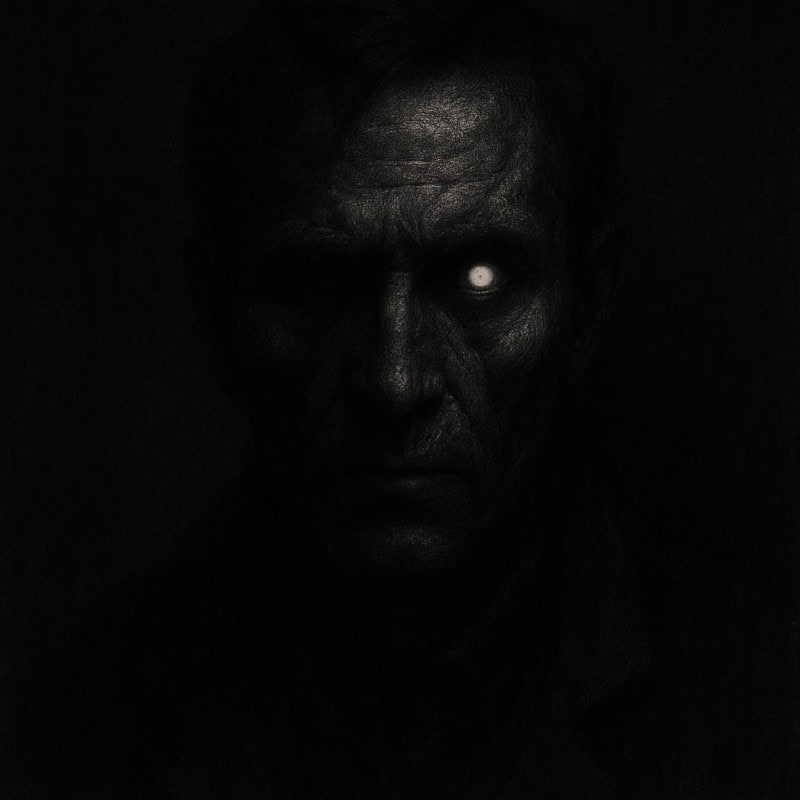
What this is: Highlights aren’t just “empty spots” – they’re tools for creating eerie glows and sharp focus. Highlights work best when 90% of the drawing is smothered in shadow. Less light = more fear.
How to Practice:
- Use an eraser to lift highlights in shaded areas.
- Try white pencils or gel pens for piercing effects.
- Pair highlights with strong shadows for maximum drama.
Horror Tip:
One tiny white dot in a pitch-black eye = alive and watching you.
Levels:
- Beginner: Lift highlights with an eraser after shading.
- Intermediate: Use a white pencil on dark areas for reflective glows.
- Advanced: Mix tools (graphite, charcoal, gel pen) to create layered, glowing horror effects.
For a closer look at how Strategic Highlights work in horror art, you can read my post on using them effectively.
Final Words
Advanced shading isn’t about showing off how much graphite you can grind into your page – it’s about control. Darkness, vagueness, and sharp light all have their roles; knowing when to use them makes your horror art breathe, whisper, and sometimes… stare back.
Tip: Don’t pile every advanced trick into one drawing. Think of advanced shading tricks as your personal horror movie props. Use them wisely – bring out the chainsaw when it counts, not when you’re just sketching grandma’s teacup.
Next Up: Practice Exercises for Horror Lighting
Now that you’ve explored advanced shading techniques, it’s time to push your skills further with lighting. In the next Post, we’ll dive into practice exercises designed to help you control eerie light sources and create spine-chilling atmospheres.
Continue to Practice Exercises for Horror Lighting