How Different Light Sources Affect Horror Art
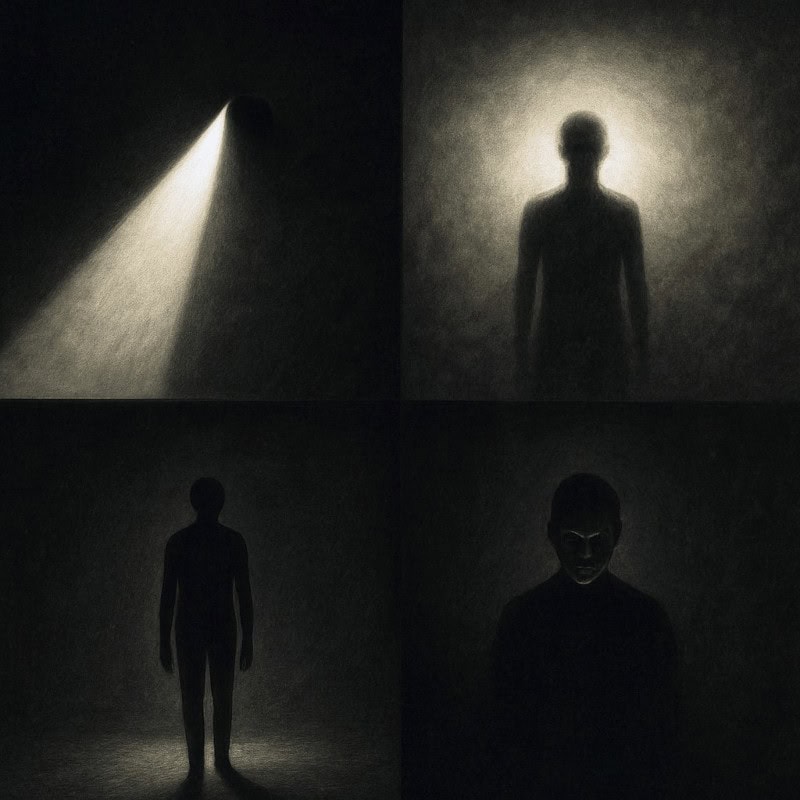
Lighting is the secret sauce of horror art – it sets the mood, sculpts the atmosphere, and casts dramatic shadows that make your creatures look terrifying instead of, well… about as spooky as a piece of steamed broccoli. (Unless you still have flashbacks to childhood dinners, in which case – valid.)
If you want to master lighting in horror art, it’s crucial to understand how it behaves, how it interacts with objects, and, most importantly, how it can crank up the creep factor. Let’s break down different light sources and explore how each one can enhance the atmosphere and amplify the dread.
1. Types of light sources
Direct Light
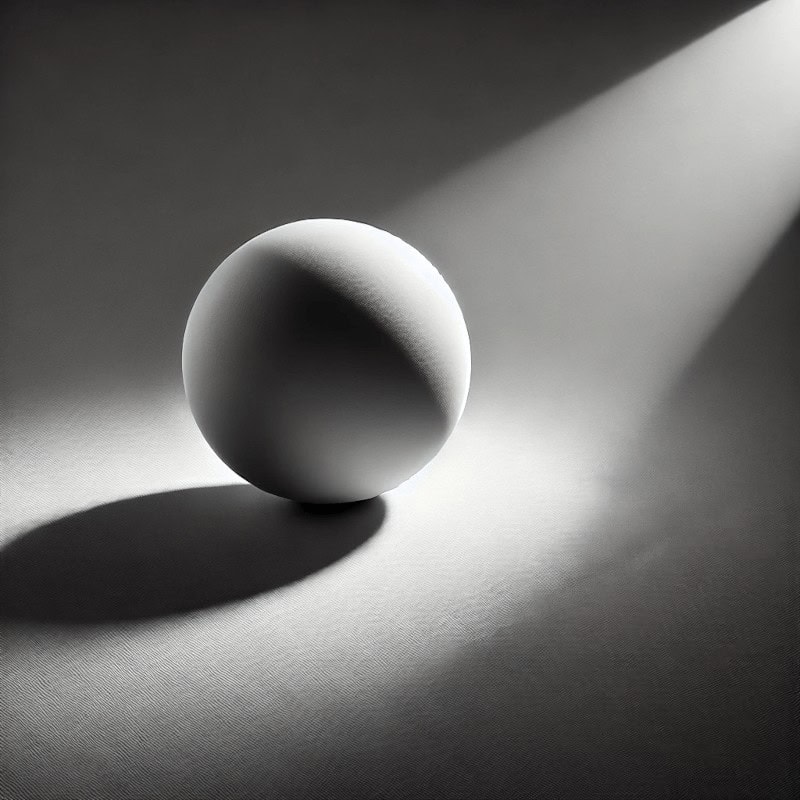
This type of light comes from a focused, single source, like a flashlight, a lamp, or the sun. It produces strong contrasts and sharp-edged shadows, clearly defining the boundary between light and dark. This makes it ideal for highlighting specific areas and building dramatic tension in your horror scenes.
Horror Application:
Direct light is great for drawing attention to one subject while leaving the rest of the scene in shadow. In horror art, this is especially useful for isolating a figure, adding a sense of vulnerability, or making a monster feel like it’s emerging from the dark. It’s also effective for backlighting eerie silhouettes or spotlighting disturbing details.
Helpful Hint:
Use direct light to create high contrast between illuminated areas and shadows. This technique works well when you want to guide the viewer’s focus or enhance the emotional impact of a scene. Remember where your light source is placed, as the angle can dramatically affect how your forms and shadows appear.
Watch Out:
Too much direct light without supporting light sources can flatten a scene or make it feel unnatural. To avoid this, consider softening the effect by blending in some ambient or bounce lighting. This helps maintain depth and makes the lighting more believable while keeping that sharp, horror-themed edge.
Example Scenario:
Imagine a flickering flashlight suddenly revealing a hunched figure in a dark basement. The harsh beam picks out twisted limbs and glinting eyes, while the surrounding darkness hides the rest. The viewer sees just enough to feel uneasy, and that’s the power of direct light in horror art.
Diffused Light
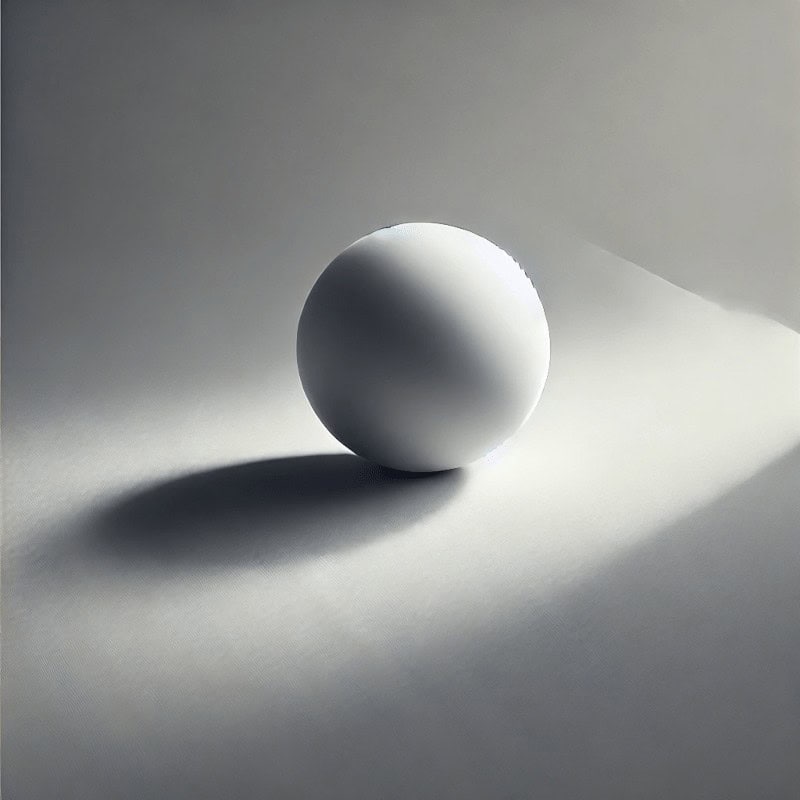
Diffused light refers to light that has been scattered, similar to the atmosphere on an overcast day or in a room filled with soft ambient lighting. It produces subtle shadows with smooth transitions and a gentle falloff across surfaces. Instead of sharp contrasts, it creates a more even, softened look.
Horror Application:
This type of lighting is ideal for creating eerie, atmospheric scenes, like misty graveyards, haunted forests, or abandoned buildings. Because diffused light hides details, it adds a sense of mystery and tension, making the viewer feel like something could be hidden just beyond what’s visible.
Helpful Hint:
Use diffused light to build a soft, moody atmosphere without harsh contrast. It’s perfect for scenes that should feel quiet, unsettling or dreamlike – such as fog rolling through trees, moonlight seeping into a forest, or a ghostly figure half-lost in mist.
Watch Out:
Relying too much on diffused light can make your scene feel flat or low-energy. Without any sharp contrast, the tension may be lost. To add more depth and focus, consider combining it with a stronger light source like direct or ambient light.
Example Scenario:
Picture a ghost lingering in a foggy graveyard at dusk. The diffused light from the clouded sky blurs all edges – the shadows are soft, and nothing stands out. The figure almost vanishes into the haze… until a sudden beam of direct light reflects in its eye.
Quick Tip:
Try using backlighting through fog for diffused glow around silhouettes – it’s a great way to hint at a figure without showing details.
Ambient Light

Ambient light refers to general lighting that fills a space evenly, often bouncing off multiple surfaces. It produces minimal shadows but plays a significant role in setting the overall tone and mood of your drawing. Ambient light often works well as a base layer before introducing stronger directional lights.
Horror Application:
This type of lighting is ideal for scenes where the light source isn’t immediately visible, such as a room lit by a faint, ghostly glow from an unknown direction. It creates a subtle, unsettling effect and is great for building a sense of discomfort or the feeling that something unusual might be nearby.
Helpful Hint:
Ambient lighting works well for establishing a background atmosphere. It allows you to show details without making them stand out too sharply. Use it to support eerie environments, dreamlike spaces, or settings that feel a little too quiet – perfect for liminal rooms, abandoned buildings, or slow-building dread.
Watch out:
Too much ambient light can make your scene look flat or overly soft. Because it fills space evenly, it can wash out shadows and reduce contrast. Be careful not to let it overpower your scene – balance it with other light sources to avoid losing depth or tension.
Example Scenario:
Imagine an old hotel hallway, dimly lit by some unseen source. The furniture casts faint shadows, and the corners dissolve into gloom. The light feels unnatural – subtle, but just enough to make you question what might be watching from the dark.
Point Light
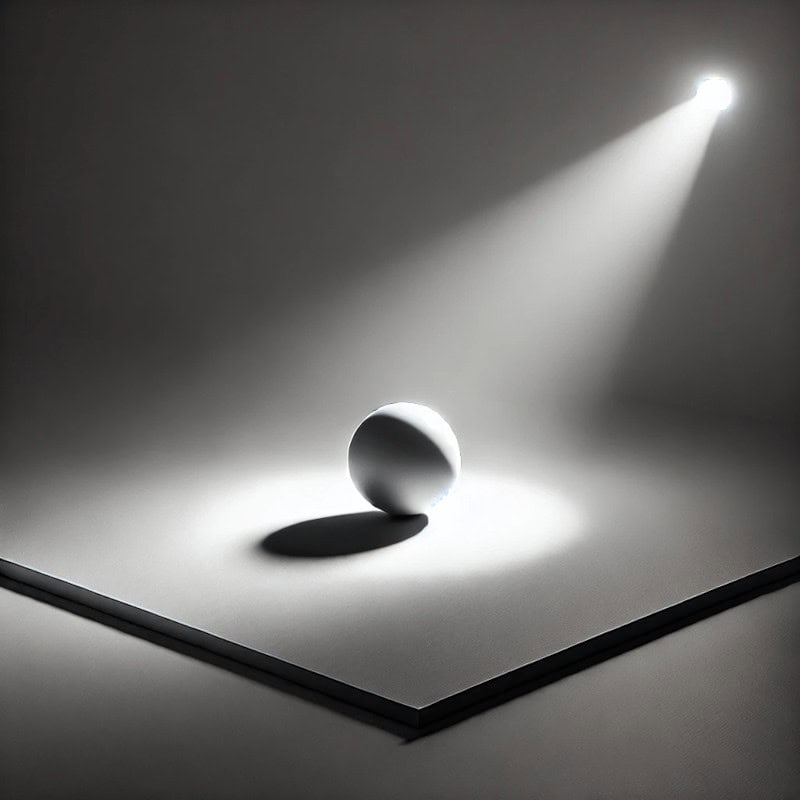
A small, localised source of light, such as a candle, glowing orb, or single lightbulb. Shadows spread outward from the source, and the contrast between light and dark can vary depending on the light’s strength and how close it is to the subject. Point lights are commonly used in games and films for dramatic horror reveals.
Horror Application:
Candlelight is classic for spooky, gothic settings like haunted mansions or crypts. It creates a cosy yet creepy atmosphere, just enough to see what’s in front of you… and wonder what’s not.
Helpful Hint:
Point light is excellent for drawing attention to a single subject. Try placing the light source within the scene, like a lantern on the ground or a glowing object held by a character, to create a more immersive, atmospheric effect.
Watch Out:
Because point light creates such strong, focused highlights and deep shadows, it can make the surrounding areas look unnaturally dark or washed out if not balanced properly. Try adding ambient light or reflected light to soften the transition.
Example Scenario:
A cloaked figure holds a lantern in a crumbling hallway. The point light stretches its shadow across the floor and walls, warping it as it flickers. The warm glow pulses softly, casting just enough light to see – but it feels too still, too focused, as if something unseen might be waiting just beyond the edge of its reach.
Directional Light
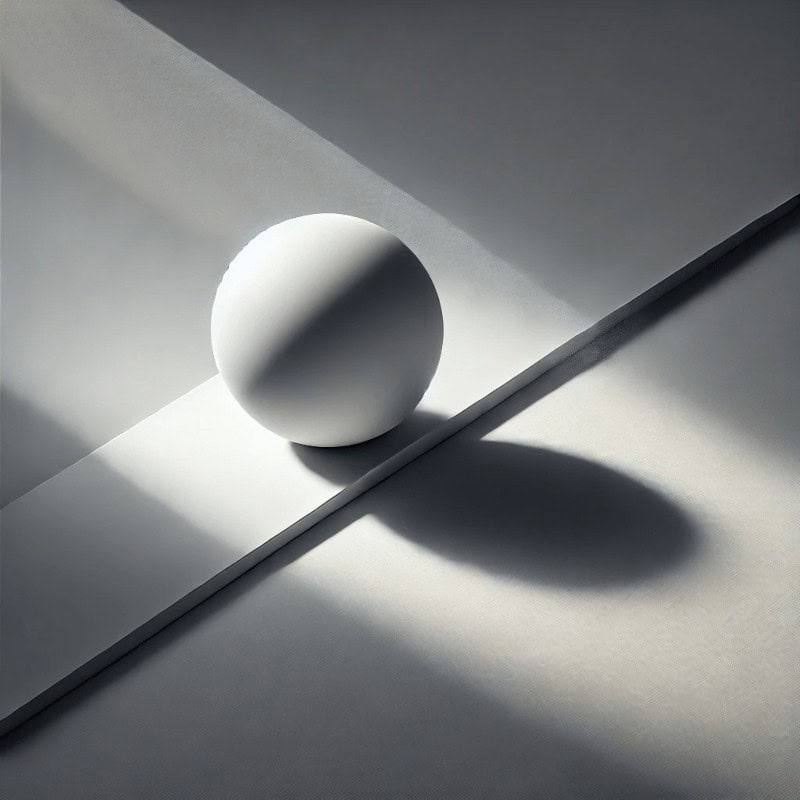
Directional light originates from a distant source, such as the sun or moon, and travels in parallel rays. This creates consistent and often dramatic shadows that stretch across the scene in a clear direction. Unlike ambient or diffused light, directional lighting creates a strong sense of “where the light’s coming from” – making it ideal for horror scenes where shadows matter.
Horror Application:
Use moonlight to create long, stark shadows that cut across eerie environments. It’s perfect for scenes that feel isolating, mysterious, or tense, like someone’s watching, but you can’t tell from where.
Helpful Hint:
Directional light works especially well outdoors. Use it to exaggerate shadows, highlight forms, or cast dramatic lighting across surfaces. It’s ideal for night scenes lit by the moon or harsh, high-contrast daylight, like an empty desert town under a relentless sun.
Watch Out:
Since directional light creates consistent angles, every shadow in your scene should follow the same direction. If your shadows don’t align, the result can feel “off” or visually unrealistic, especially in outdoor scenes where the light source is clearly defined.
Example Scenario:
A lone figure walks through a windswept cornfield beneath a full moon. The directional light casts a long, thin shadow behind them, stretched and unnatural. The rows of crops form endless dark lines… and somewhere in the distance, one shadow doesn’t move as it should.
2. Light direction and its effects
The direction of light isn’t just about visibility – it’s about drama, mystery, and making sure your horror creatures look extra terrifying. Experiment with different lighting angles to create depth and mood in your artwork.
Top Lighting
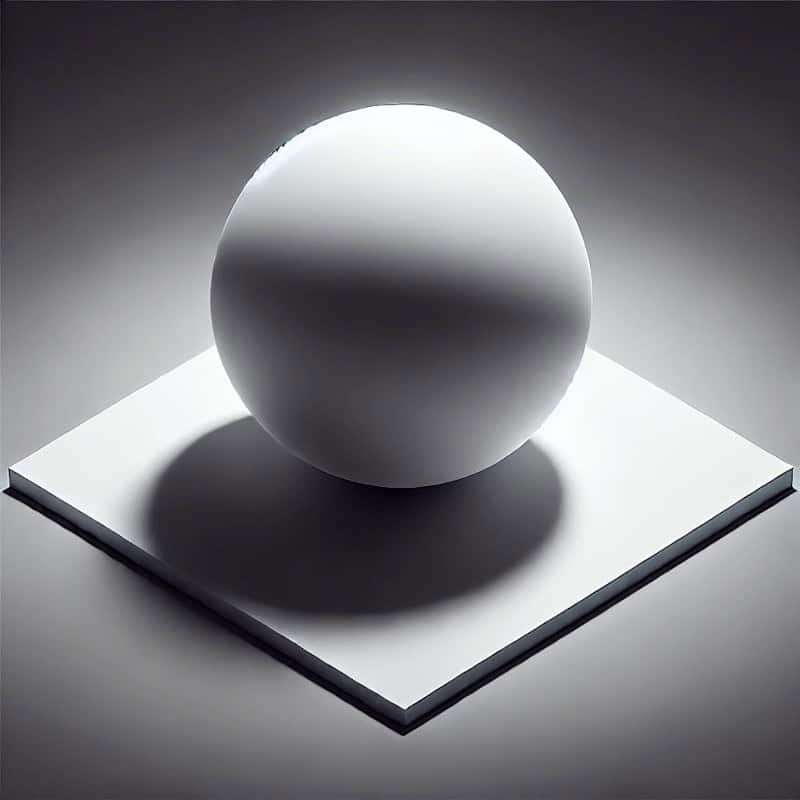
This type of lighting comes from above, casting shadows underneath objects. This is the most natural and commonly used light direction, as it’s how we typically experience light in the real world, whether it’s from the sun, overhead lamps, or ceiling fixtures.
Horror Application:
Top lighting emphasises hollow or sunken areas, making it perfect for skeletal faces, gaunt figures, or anything that needs a bit of that “I haven’t slept in 300 years” energy. It adds unease without being overly dramatic.
Helpful Hint:
Use top lighting to add realism and depth to your drawings. It highlights the upper surfaces while softly shading the beneath, giving your forms a more three-dimensional appearance. It’s especially effective for making horror characters feel grounded yet unsettling.
Watch Out:
Top lighting can make things look too neutral or clean if there isn’t enough contrast. It might not generate enough tension on its own unless you deepen the shadows or pair it with secondary light sources to enhance the drama.
Example Scenario:
A corpse-like figure slouches under a flickering hallway bulb. The overhead light casts deep shadows under its eyes and cheekbones, hollowing its face and making it resemble a skull with skin pulled too tight. You can’t quite see what it’s holding… but whatever it is, it’s dragging it behind.
Bonus Tip:
Top lighting can also create dramatic drop shadows under the chin, brow, nose, and eye sockets, especially if paired with little to no fill light. These exaggerated shadows sculpt the face in a more intense, unsettling way, perfect for making your horror creatures look gaunt, menacing, or like they haven’t blinked in a century.
Side Lighting
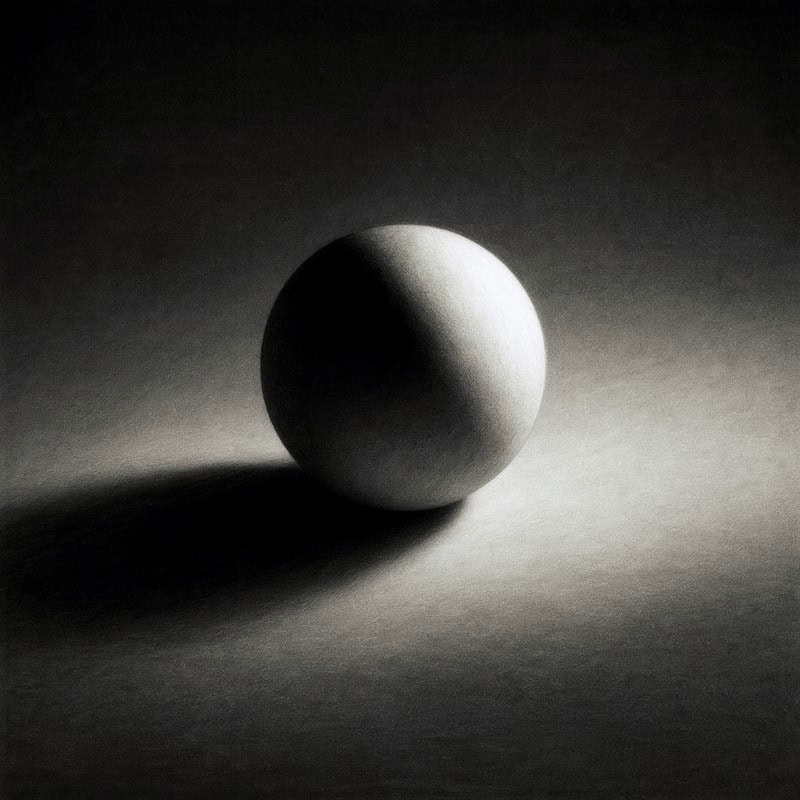
This form of lighting strikes your subject from the side, creating dramatic shadows and strong contrast on one half. It emphasises form and structure by dividing the subject between light and dark, adding depth and visual intrigue.
Horror Application:
Perfect for eerie portraits, side lighting works well for a split-face effect or to reveal just part of a lurking figure. It suggests that something is hidden, building tension by making viewers feel like something might be just out of sight.
Helpful Hint:
Side lighting adds tension and form. It’s great for sculpting your subject’s features, especially in faces or figures. You can adjust how much of the subject is visible, and sometimes the shadow side tells a more interesting story than the lit one.
Watch Out:
If both sides of your subject are equally lit, you lose that visual drama. Always make sure the light source direction is clear, or the image might end up feeling too flat or uncertain.
Example Scenario:
A masked stranger stands just inside a doorway. Light from a nearby streetlamp spills in from the side, illuminating only half of their face – the other half sinks into shadow. You can’t tell if they’re smiling… or just watching you without blinking.
Bonus Tip:
Depending on the angle, side lighting can also cast mini drop shadows beneath the nose, cheekbones, or eye sockets – just enough to make your subject look slightly sleep-deprived or freshly unearthed.
Under Lighting
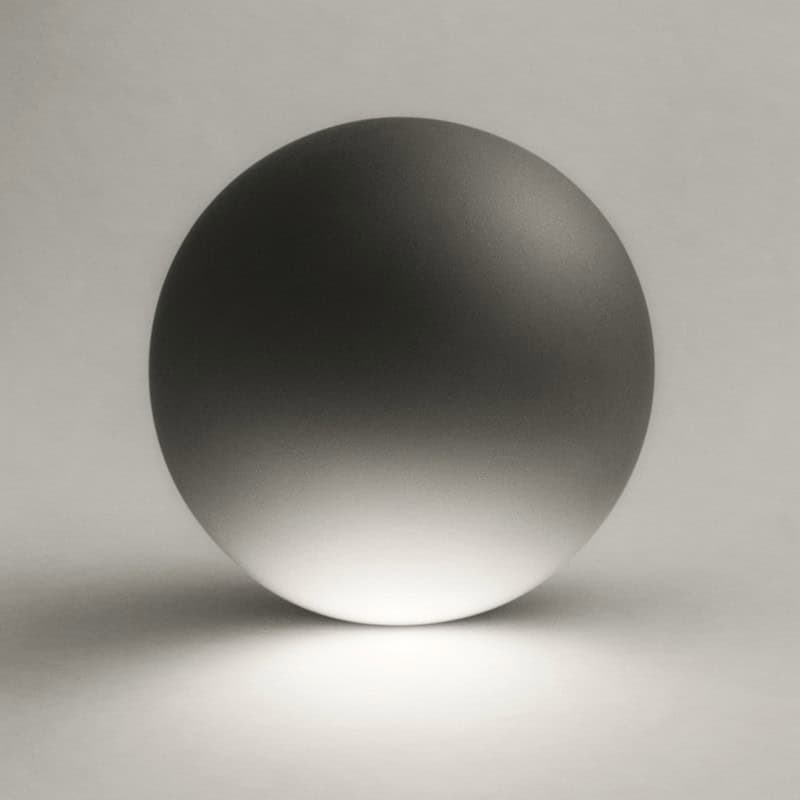
Light comes from below, casting shadows upward and creating a distorted, unnatural look. It defies our expectations of how light behaves, making familiar shapes feel eerie or unsettling.
Horror Application:
This lighting is great for creepy effects, like a ghost story told by candlelight or a flashlight under the chin. It throws shadows upward across the face, warping features and instantly building tension.
Helpful Hint:
Under lighting is excellent for creature designs and jump-scare moments. Use it to exaggerate facial features, hollow out eye sockets, or highlight the chin and jaw to give characters an eerie or otherworldly appearance.
Watch Out:
Because it’s so unnatural, under lighting can easily come off as comedic or overdone if not handled carefully. Balance it with ambient lighting, or make sure your scene’s tone supports the unsettling vibe – unless you’re going for horror-comedy, of course.
Example Scenario:
A terrified camper raises a flashlight under their chin. Their face twists into a skull-like grin, shadows crawling across the walls of the tent. Outside, something snaps a branch, but the beam is pointed the wrong way to see what’s creeping closer.
Bonus Tip:
Under lighting can also create dramatic drop shadows on walls and floors, stretching upward and warping the silhouette. It’s great for those “what the hell is that shape?” moments.
Back Lighting
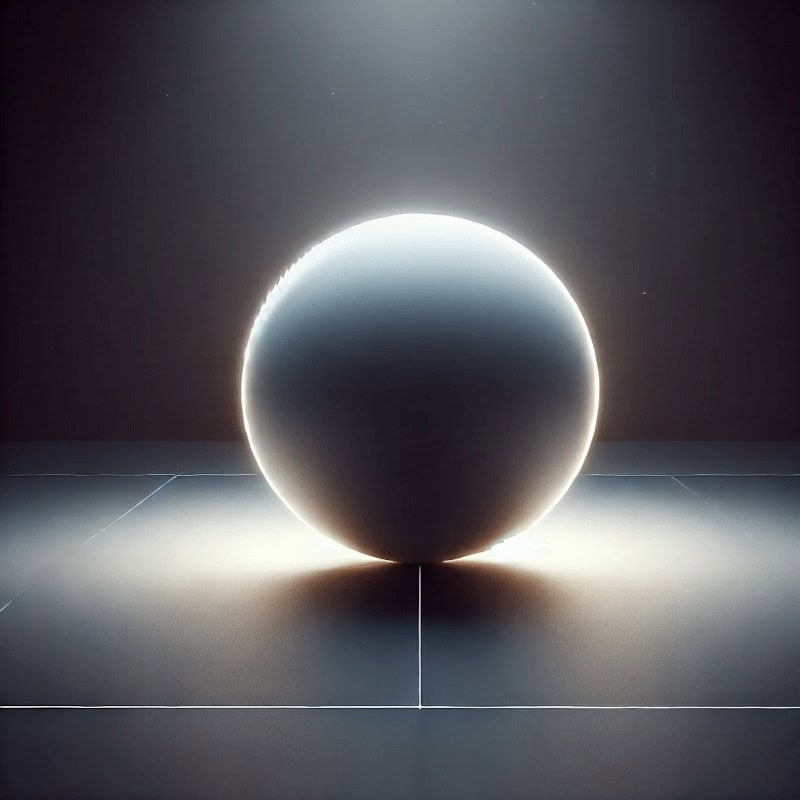
This lighting style comes from behind the subject, casting them into silhouette. This hides most details while emphasising shape, giving your subject a mysterious and dramatic presence.
Horror Application:
Back lighting is perfect for shadowy figures that are more suggested than seen – ideal for ghosts, lurking monsters, or anything you want to hint at without fully revealing.
Cinematographers use this technique all the time in horror films to build suspense. By backlighting a figure, they create that iconic glowing outline – letting the audience see just enough to panic slightly, but not enough to feel safe. Think “something’s watching from the hallway” vibes.
Helpful Hint:
Use back lighting when you want to control what your viewer sees. It’s great for building suspense – your audience sees the outline, but not the face or what’s in the character’s hand. Combine it with fog, smoke, or mist for an extra creepy atmosphere.
Watch Out:
Back lighting can make your scene feel flat if not balanced with other light sources. If everything is in silhouette, you might lose important form or depth. Try adding rim lighting or soft fill light – a subtle secondary light that gently illuminates shadows without overpowering the main light. This helps reveal just enough detail to keep your subject readable while maintaining the eerie mood.
Example Scenario:
A figure stands at the end of a foggy path, backlit by a glowing doorway. You can’t tell who or what it is. The light outlines a tall, shape, unmoving… just watching. As the fog shifts, a second silhouette steps into view.
Bonus Tip:
Back lighting is great for those “you see the silhouette… but not the claws” moments. Use ot to tease a reveal or hint at danger hiding in plain sight.
3. Multiple light sources
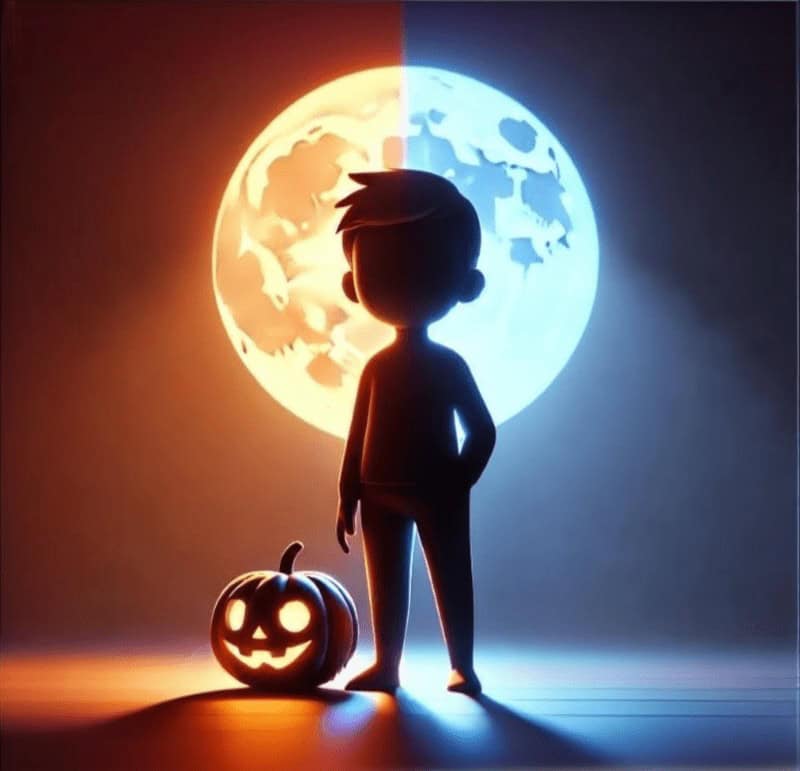
Utilising multiple light sources enhances the complexity of your drawing, increasing visual interest. It allows for experimentation with contrast, colour, and mood in more dynamic and unexpected ways.
Horror Application:
Layer your lighting to tell a story. Try combining a warm light (like fire or candlelight) with a cold light (such as moonlight or a neon glow) to build contrast and tension. It’s great for dramatic reveals or for making a scene feel surreal, off-balance, or otherworldly.
Cinematography Note:
In film, horror directors often use multiple light sources to separate background and foreground elements, subtly guiding the viewer’s attention. For example, one light might highlight a character’s face while another casts a looming shadow across the wall – whispering, “there’s more here than you see.“
Helpful Hint:
Use colour temperature to separate your light sources. A warm, flickering light in front, and a cool, eerie glow behind, add depth and guide the viewer’s eye. Just remember: every light source casts its own shadows!
Watch Out:
It’s easy to lose track of consistency with multiple lights. If you don’t plan where each is coming from, your shadows might clash, and your highlights may look scattered or confusing. To stay organised, sketch tiny light-source icons in your planning stage as visual guides.
Example Scenario:
A child stands frozen in the woods. A jack-o’-lantern in front of them glows with warm orange light, casting flickering shadows on their face and feet. Behind them, moonlight cuts through the trees in a cold, silvery beam. Two shadows stretch in opposite directions – but the one behind them moves first.
4. Visualising light interaction
Before you start slapping shadows everywhere, pause and ask yourself:
- Where is the light coming from?
- Is it strong and harsh or soft and subtle?
- What’s blocking the light, and where will the shadow fall?
- Does the light bounce off nearby surfaces (reflected light)?
- And… are you still alone in the room? (Just checking.)
Helpful Hint:
Try sketching a quick light diagram in the corner of your page to keep your lighting setup clear. Even a simple doodle of your light source and subject can help you avoid weird shadow placements that ruin the vibe… so your creature doesn’t end up looking like it’s being lit by a fridge light instead of something ominous.
5. Exercises to practice light sources
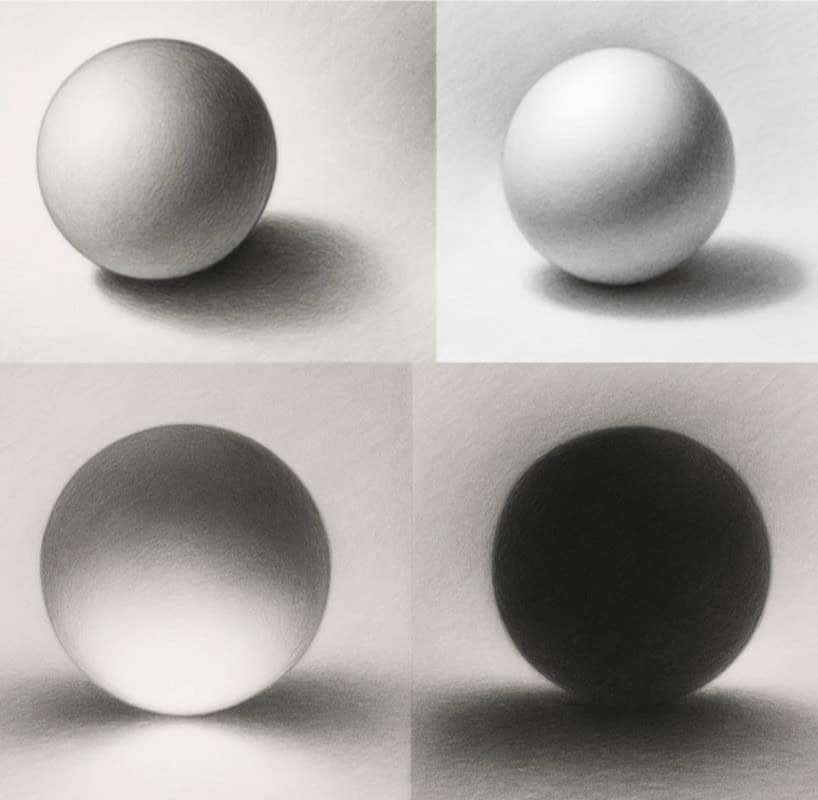
Want to master lighting? Try these exercises to boost your shadow-wrangling skills:
- Draw a basic shape (like a sphere or cube) and experiment with lighting from different directions:
- Top-lit – for that spooky sunken skull effect.
- Side-lit – creates mystery and suspense.
- Under-lit – the unmistakable horror villain enhancement.
- Backlit – to create ominous, shadowy presences.
- Create a scene lit by a single source, like a candle or flashlight. Focus on where the highlights and shadows fall.
- Experiment with multiple light sources, like the warm flicker of firelight paired with a cold, unnatural glow – because nothing says dread like “Why is that glowing if there’s no power?”
6. Common mistakes when using light sources (and how to fix them)
Mastering lighting takes time, and even experienced artists slip up. It’s all fun and games until your drawing looks like it’s lit by three suns from different dimensions. Here’s how to avoid some of the most common horror-lighting mishaps:
Unclear light source
Mistake:
Forgetting to establish a clear and consistent light source leads to shadows and highlights that don’t match up.
Fix:
Before you start shading, decide where your main light source is coming from. A quick trick? Sketch a small sun, lamp, or glowing orb in the corner of your page as a reminder.
Helpful Hint:
Draw a tiny sun, candle, or desk lamp in the margin to remind yourself where the light’s coming from – like a creepy little mascot silently guiding your shadows.
Clashing light sources
Mistake:
Using multiple light sources without considering how they interact. This can lead to chaotic or unnatural lighting – or worse, a monster with two noses and no shadow logic.
Fix:
When combining light sources (like candlelight and moonlight), make sure one is dominant. The secondary light should support the scene with subtle highlights, not compete for attention.
Helpful Hint:
Think of one light source as the main actor, and the others as background extras. Let one take the lead, or your shadows might start auditioning for a different movie entirely.
Shadows That Don’t Match the Light Source
Mistake:
Shadows are falling in random directions, like they’ve had one too many cups of cursed coffee, instead of casting away from the light source.
Fix:
Shadows should always extend in the opposite direction of your light. For example, if your light is above and to the left, the shadows should fall downward and to the right. Keep the direction consistent – unless you want your haunted hallway to look like it’s being lit by a disco ball.
Helpful Hint:
Use a pencil to lightly sketch in the light rays or angle lines before shading. Think of it as mapping your horror scene’s spotlight – so the monster knows exactly where to make its terrifying entrance.
Flat Lighting (No Contrast)
Mistake:
Not using enough contrast between light and shadow, leaving your artwork looking dull, lifeless, and about as spooky as a wet sock.
Fix:
Push your darks darker and your highlights brighter! Strong contrast helps your lighting pop and makes your forms feel more three-dimensional and dramatic. Shadows should have presence – not politely whisper, “Excuse me, I’m here too.”
Helpful Hint:
Squint your eyes or zoom out. If everything blends into a grey mush, it’s time to crank up that contrast like your drawing just spotted something crawling out of the floorboards.
Ignoring Ambient Light
Mistake:
Only focusing on your main light source and forgetting that light bounces off surfaces, even in the dark.
Fix:
Even in dim scenes, light can reflect off nearby walls, floors, or objects. These soft reflections often create subtle highlights in shadowed areas, adding realism and extra depth to your scene.
Helpful Hint:
Even haunted houses have bounce light. Reflected glows can show up in unexpected places – like under a ghost’s chin, or creeping along a damp, slimy wall. Keep your eyes peeled… ambient light loves to lurk.
Overcomplimenting the Lighting
Mistake:
Adding too many unnecessary highlights and shadows can make your lighting feel chaotic, rather than creepy.
Fix:
Keep it simple. If the lighting in your scene doesn’t make sense, strip it back. Focus on a single light source and build from there – only add extra highlights if they serve the mood or story.
Helpful Hint:
If your shadows look like they belong in five different horror movies, simplify. Stick to one main source until your drawing stops trying to start a light show.
Forgetting Colour Temperature
Mistake:
Using random colours for your lighting without thinking about how warm and cool tones affect the mood.
Fix:
Warm lights (like fire or candles) cast orange or yellow hues, while cool lights (like moonlight or neon) lean toward blue or purple. Be mindful of this when shading – matching the temperature to your scene adds depth and emotion.
Helpful Hint:
Think of light like mood music for your horror scene. Warm tones create a ritualistic, sinister vibe, while cool tones bring a chilling, ghostly atmosphere. Choose the one that fits the fright!
Final tip: study real-life spookiness
Grab a torch or candle, dim the lights, and experiment. Watch how shadows stretch, soften, or sharpen depending on the light’s strength and distance. The more you observe in real life, the more convincingly eerie your drawings will become.
Next up: Mastering shadows for depth and drama in horror drawings
Lighting sets the scene, but shadows bring the fear. In the next post, we’ll explore how to use shadows to enhance mood, create tension, and add that extra dose of eerie realism to your drawings.
Continue to Mastering Shadows for Depth and Drama in Horror Drawings