Rulers and French Curves: The Unsung Heroes of Horror Art
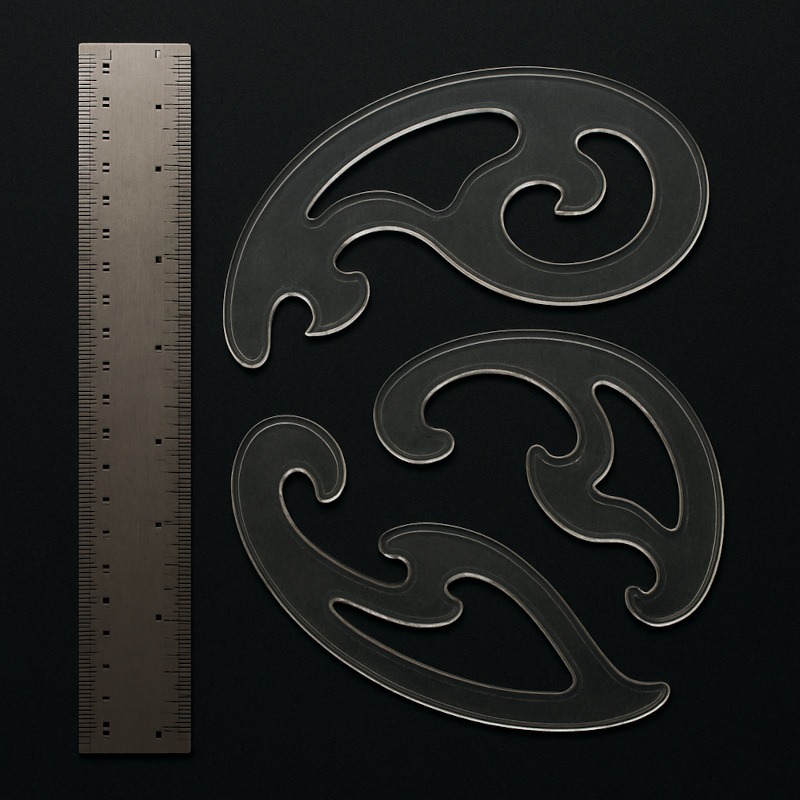
When your lines behave, your shadows misbehave even better.
If horror art tools ever had a high-school yearbook, rulers and French curves would definitely be “the quiet kids in the back.” They’re not flashy, they don’t demand attention, and nobody brags about owning them – until you realise they’re secretly the ones holding everything together.
Look closely, and these unassuming little shapes are the backbone of haunted mansions, crooked hallways, ritual circles, and monster anatomy that actually makes sense. Without them? Your elegant arches turn to wobbly noodles, your hallways collapse into chaos, and your creature’s horns have the structural integrity of soggy pasta.
This guide breaks down how to use these underrated heroes to build strong, eerie compositions without making your drawings look stiff or technical. You’ll learn how to balance structure with chaos, where straight lines belong in horror, and how curved templates can transform messy sketches into dramatic shapes that still look alive.
These tools are especially powerful when building perspective, architecture, and creature anatomy in horror scenes.
What Are Rulers & French Curves?
Rulers
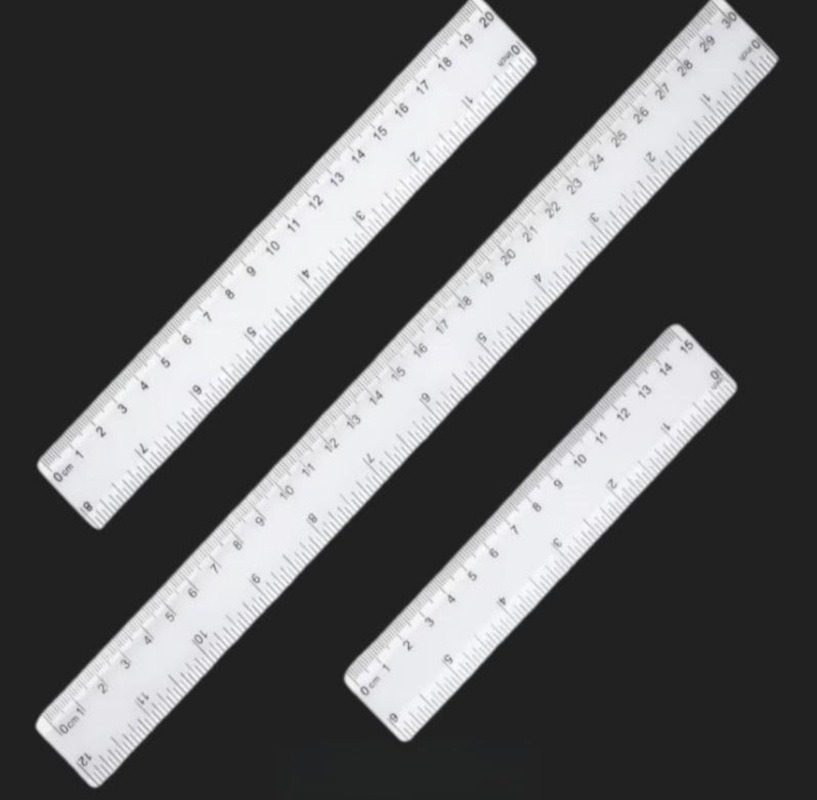
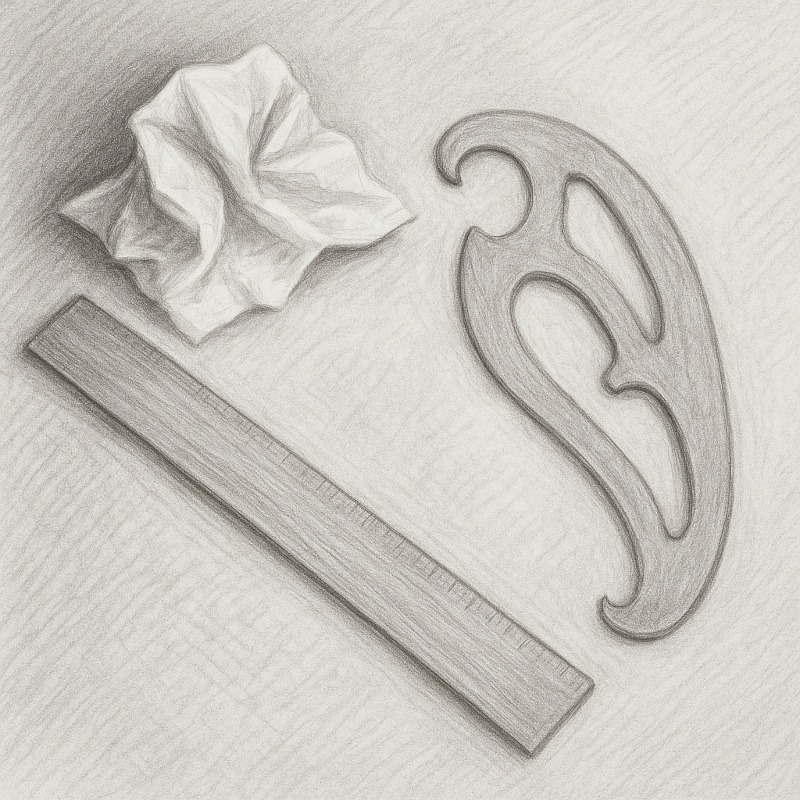
A ruler is exactly what it sounds like – but in horror art, it becomes so much more than a straight line dispenser.
Rulers help you:
- Lay down accurate perspective lines
- Draw believable environments and props
- Create long corridors that feel endless
- Add structure to complex scenes
- Keep sketchbook layouts neat for tutorials or comic-style spreads
- Avoid the dreaded “my wall is definitely melting, and I didn’t mean for it to” effect
Why horror artists love them:
A clean, confident line creates a sense of stability – and stability makes the chaos in your drawing stand out beautifully. When everything is wobbly, nothing looks spooky… it just looks like you drank a triple espresso before sketching.
What types exist:
- Plastic rulers – light, easy, cheap, and see-through
- Metal rulers – sturdy, crisp, great for knife work later
- Short rulers – perfect for sketchbooks
- Long rulers – essential for dramatic scenes
You honestly only need one good 30 cm ruler to start.
French Curves
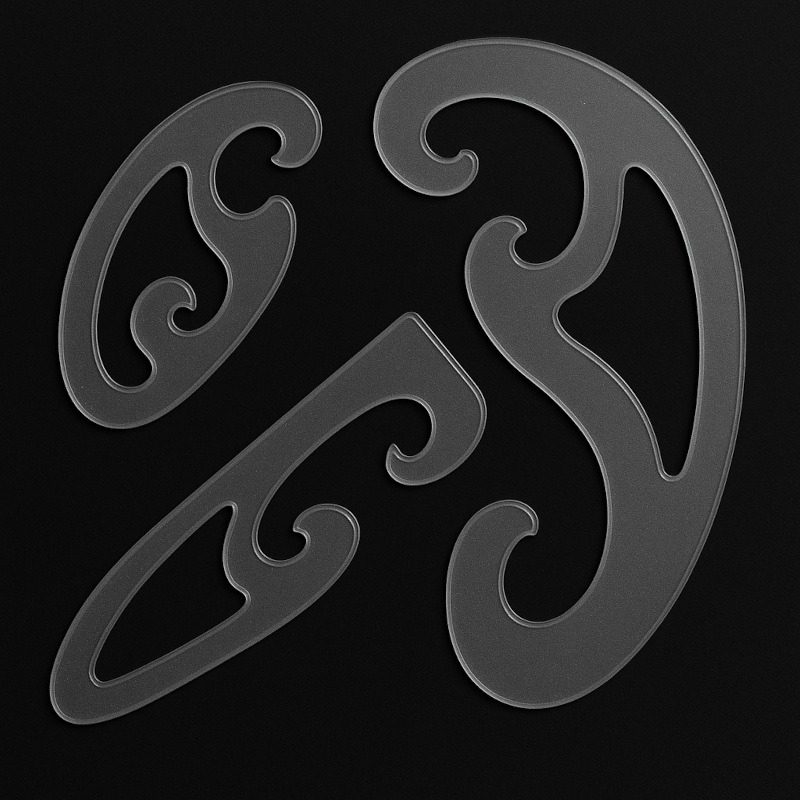
A French curve set looks like someone caught a ghost mid-swoop and turned its shape into plastic. They’re curved templates designed to help you draw elegant, smooth arcs you’d struggle to freehand – especially if gravity and caffeine are fighting against you.
French curves help with:
- Horns, tusks, tails, and tentacles
- Flowing capes and dramatic ghost robes
- Curved staircases, archways, and window frames
- Summoning circles, occult symbols, eerie portals
- Decorative gothic shapes and architectural flourishes
Why they matter in horror art:
Horror thrives on contrast – the jagged next to the smooth, the rigid next to the organic, the elegant next to the grotesque.
French curves give you control over the elegant parts, while your shading and textures handle the creepy parts.
You can also use flexible curves, which bend into any custom shape. Perfect for monstrous anatomy or alien architecture.
Why These “Boring” Tools Are Actually Horror Powerhouses
Most beginners look at rulers and French curves and think, “Ugh. Maths class flashbacks.”
But in horror art, they unlock three huge advantages:
1. Believable Backgrounds
No matter how spooky your creature is, it won’t shine if the background looks like a cardboard set someone kicked during filming.
Straight lines and clean curves make environments look real, which makes your monsters feel real, too.
Example:
A crooked haunted hallway instantly feels creepier because the structure beneath it is accurate – your shadows and decay sit on top of something solid.
2. Dramatic Composition
Want a corridor that looks like it stretches into infinity?
A staircase that curls into darkness?
A house that looms over the viewer?
These tools make that possible without guesswork.
Example:
A simple vanishing point plus a ruler = a hallway that drags your viewer’s eye straight into the dark. Add flickering lights later and boom – instant dread.
3. Controlled Contrast
Rulers = structure
French curves = elegance
Freehand = chaos
Blend all three, and you get instant visual tension – which horror lives for.
Example:
A perfectly smooth French-curve demon horn next to rough, scratchy shading? Gorgeous. Creepy. Deliciously unsettling.
Choosing the Right Tools for Your Horror Kit
Rulers: What to Look For
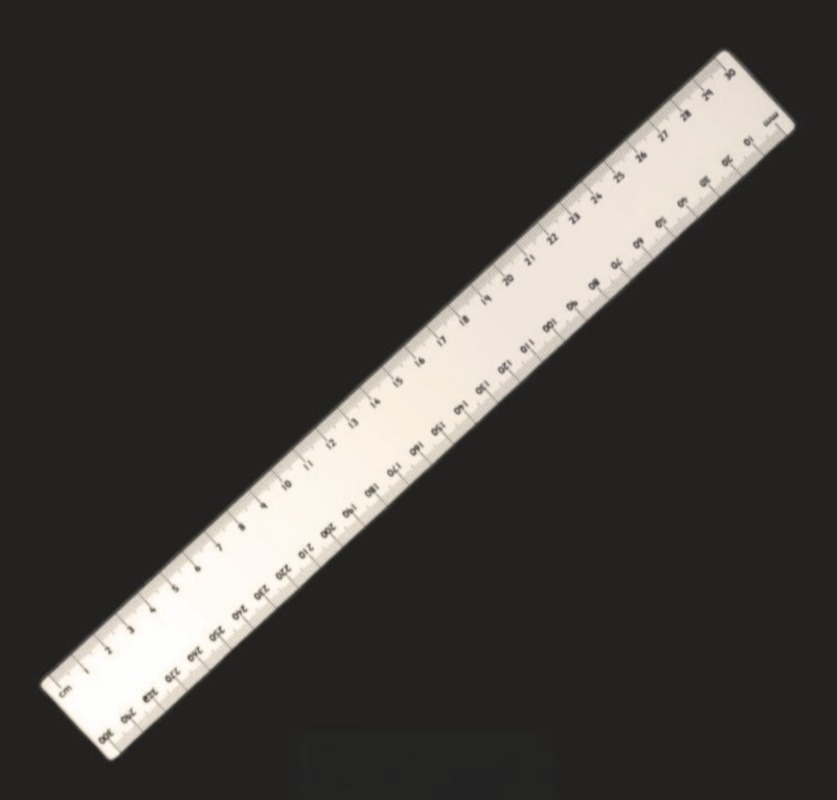
Start simple:
- Straight edge (no warping!)
- Clear markings
- Transparent if possible
- Around 30 cm / 12” for versatility
Extras that are helpful later:
- Anti-slip backing
- Metal edge for craft knife use
- Grid rulers for those who love precision
Budget tools work perfectly fine. No need to summon a demon to afford the fancy stuff.
French Curves: What to Look For
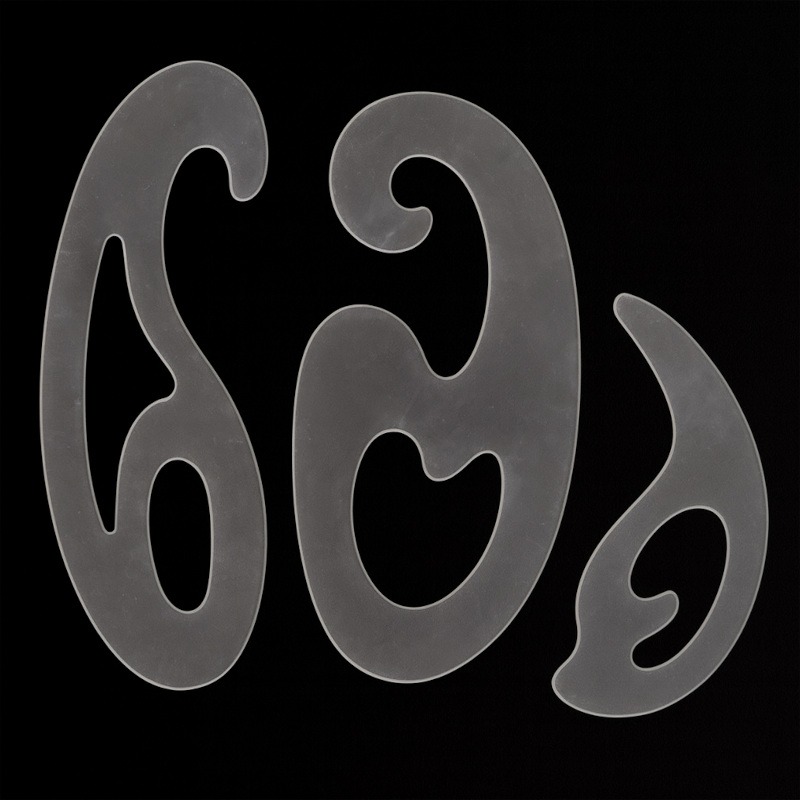
You can choose from:
- 3-piece curve sets – standard, easy, versatile
- Flexible curves – perfect for creature anatomy
- Circle or ellipse templates – great for ritual magic, creepy potions, or monstrous eyes
Choose the set that matches what you draw most – creatures, architecture, or symbols.
How to Use Rulers Without Making Your Art Look Stiff
1. Use Them for Planning, Not Polishing
Think:
- Rough sketch (freehand)
- Key structural lines (ruler/curve)
- Texture + imperfections (freehand again)
When you only use rulers for early structure, the final drawing feels natural and alive.
2. Keep Initial Lines Light
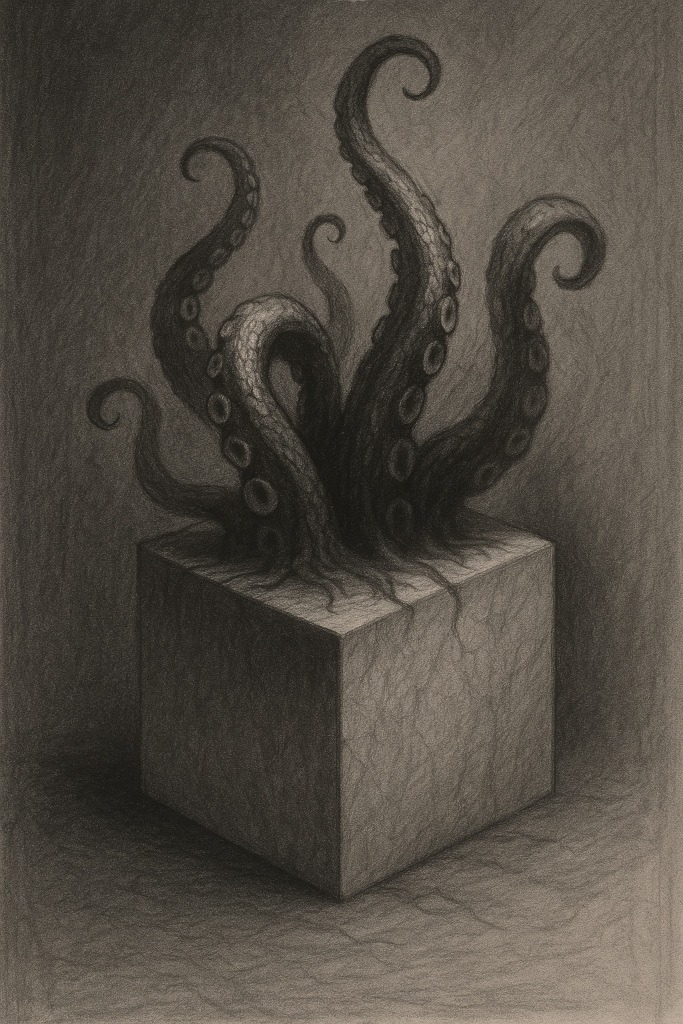
Use soft pressure, sketch lightly, and build up your forms in layers.
Light ruler lines let you:
- Erase easily
- Blend shading naturally
- Hide guidelines under texture
It keeps everything flexible.
3. Purposefully “Break” the Perfection Later
Once your structure is perfect, you can:
- Add cracks, chips, and broken tiles
- Tilt furniture or picture frames
- Split bricks or splinter wood
- Warp beams or stair edges
- Add stains, grime, or claw marks
Nothing says “haunted” like architecture that clearly gave up its will to live.
Using Rulers for Creepy Perspective
One-Point Perspective: Endless Hallways of Doom
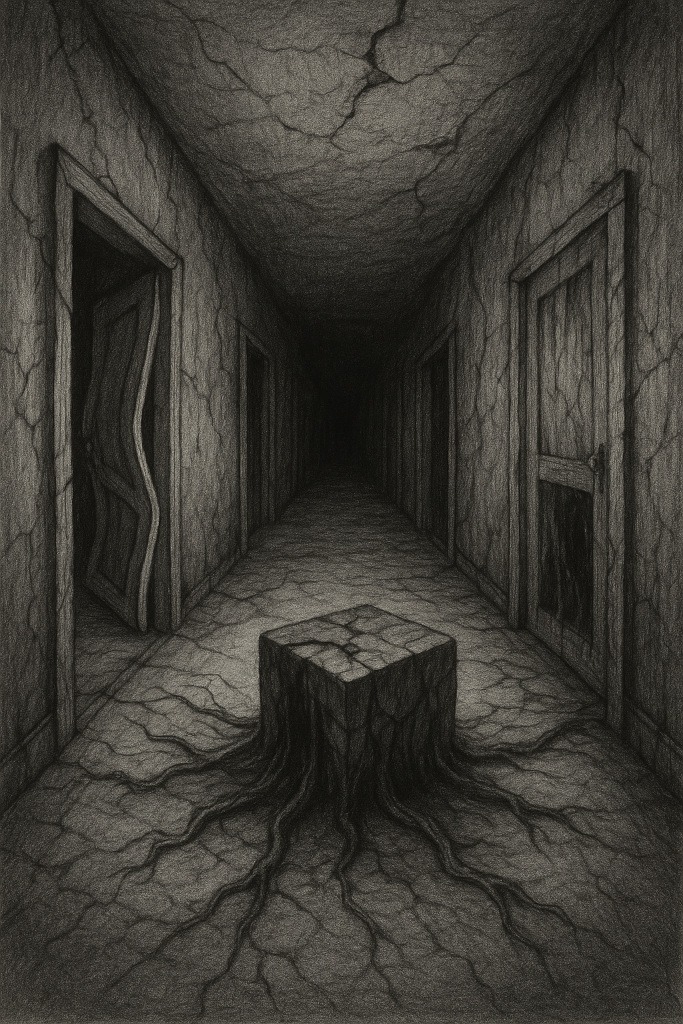
Great for:
- Asylums
- Schools
- Hospitals
- Underground corridors
This setup instantly builds dread because your viewer’s eye is dragged straight into the darkness.
Use your ruler to build:
- Floor tiles
- Ceiling beams
- Door frames
- Long light fixtures
Then let your imagination loose with shadows, flickering lights, and suspicious silhouettes.
Two-Point Perspective: Twisted Buildings & Creepy Streets
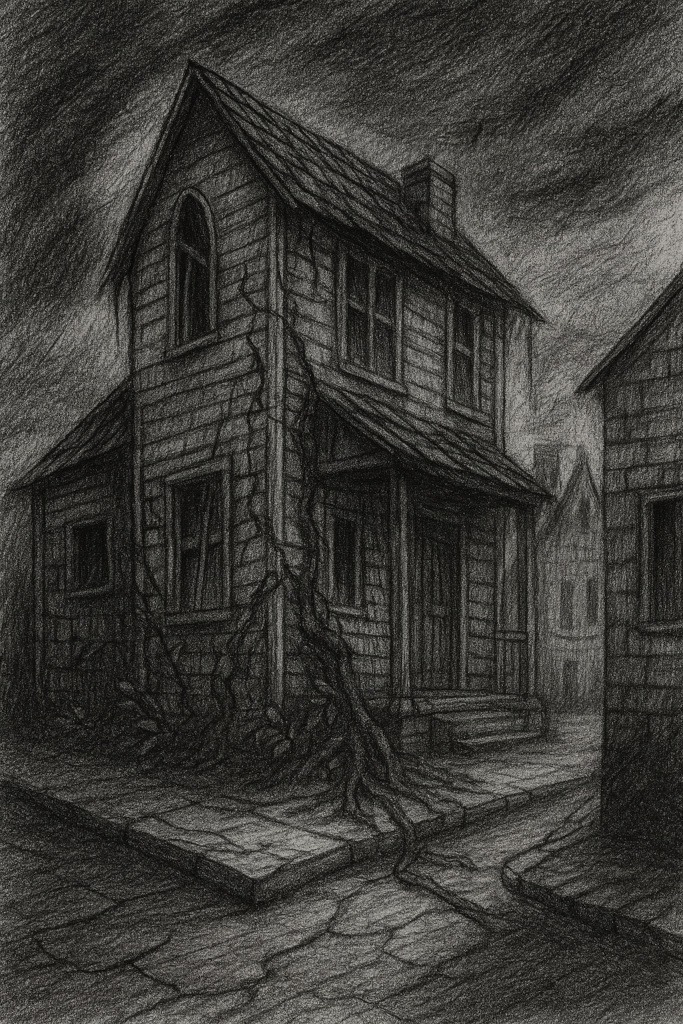
Great for:
- Haunted houses
- Abandoned town scenes
- Cabin exteriors
- Street corners
This method creates a sense of depth and realism: then you get to mess it up with leaning chimneys, broken windows, and overgrown vines – a perfect mix of structure with decay.
Using French Curves for Creatures & Magic
Creature Horns, Tails & Tentacles
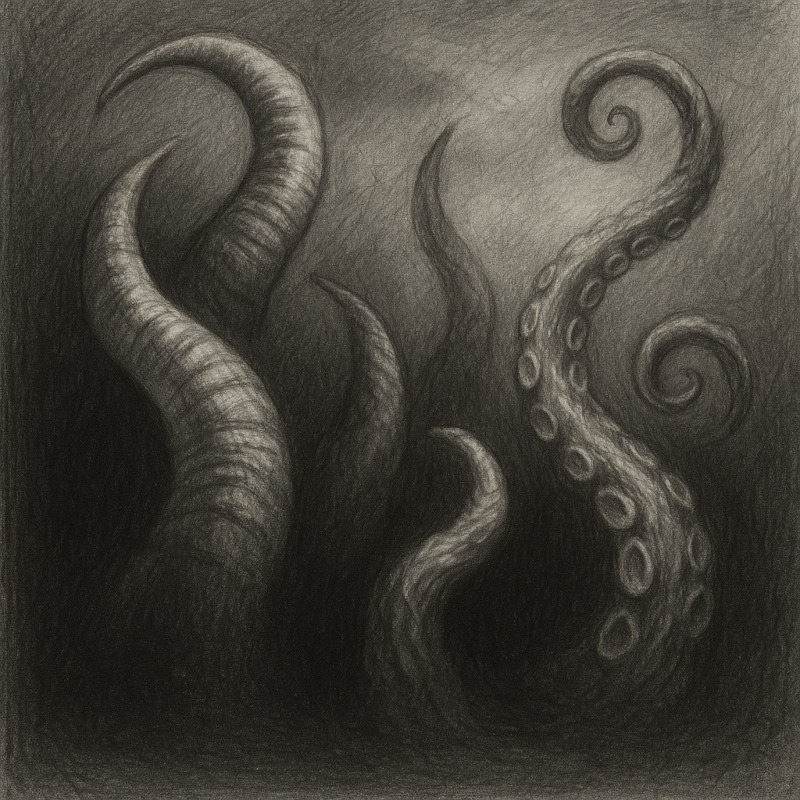
French curves give you that smooth, confident shape – perfect for:
- Ram horns
- Demon horns
- Twisted antlers
- Tentacles
- Serpent tails
Once the elegant shape is in place, texture it with ridges, cracks, scales, or slime.
Boom: monster perfection.
Flowing Fabric & Ghostly Movement
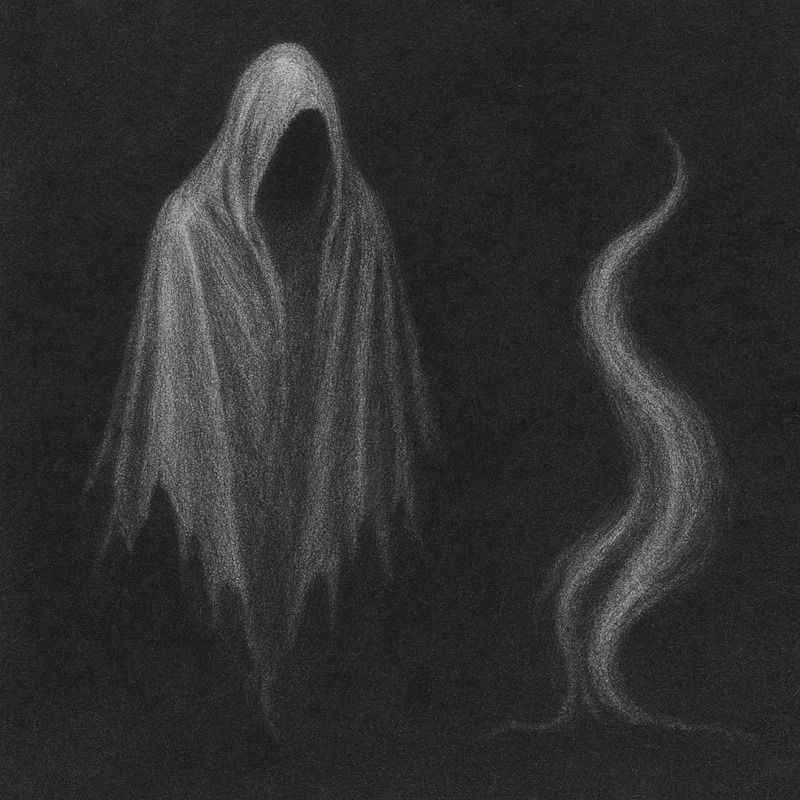
Use French curves to map out large, graceful sweeps of:
- Cloaks
- Dresses
- Robes
- Shadows
- Wispy ghost trails
Then add smaller wrinkles by hand to keep it natural.
Ritual Circles, Sigils & Arcane Symbols
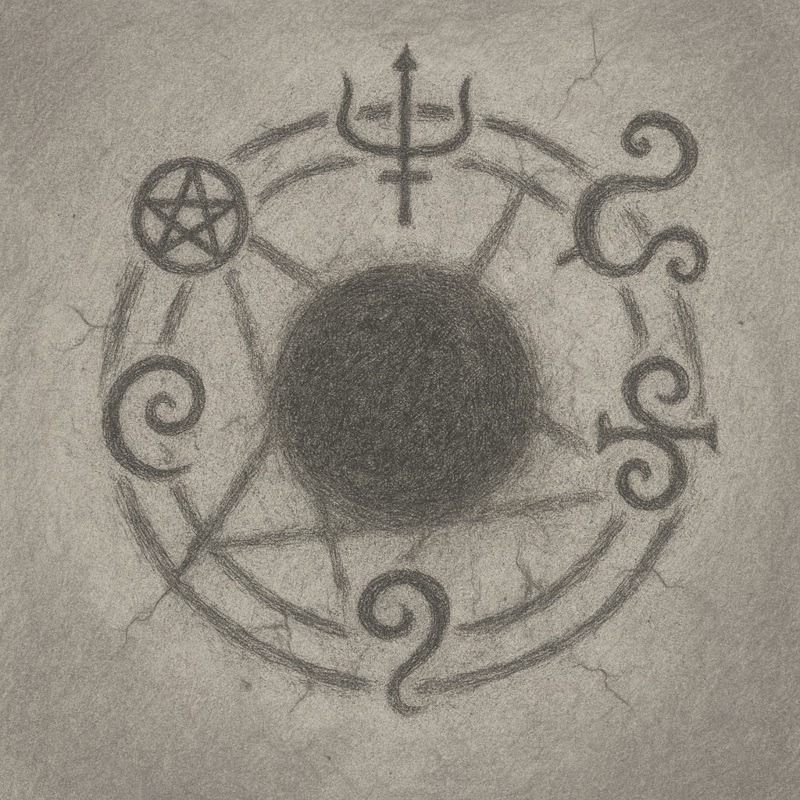
A wobbly ritual circle makes your demon look like it came from a discount summoning service. French curves save the day.
Use them to create:
- Perfect rings
- Smooth inner circles
- Elegant glyph shapes
- Spiral designs
- Portal frames
Then distress everything with cracks, chalk dust, smudges, ash, candles, bones – whatever your little horror heart desires.
Common Mistakes & How to Dodge Them
Even though rulers and French curves are simple tools, there are a few classic slip-ups that almost every artist makes at some point. Here’s how to dodge them – and keep your drawings looking clean, confident, and spooky for all the right reasons.
1. Overusing Straight Lines (Everything Looks Too Perfect)
The mistake:
Ruling every single edge in your drawing until your haunted house looks like a very nervous architect built it.
Why it matters:
Horror needs personality. Too many perfect lines = stiff, lifeless art with no atmosphere.
Fix:
- Use the ruler only for the main structure (walls, floors, frames).
- Add cracks, damage, texture, and decay freehand.
- Rough up edges deliberately – perfection is optional in horror; vibes are essential.
2. Pressing Too Hard With the Ruler
The mistake:
Digging the ruler into the paper as if it owes you money.
Why it matters:
Heavy pressure leaves dents and grooves that catch your pencil later, creating strange, dark lines you never meant to draw.
Fix:
- Use light pressure, especially while sketching guides.
- Build up darkness gradually with shading later.
- Think “ghost touch,” not “carving runes into stone.”
3. Smudging Your Drawing With the Edge of the Ruler
The mistake:
Sliding the ruler across the page and dragging graphite with it – leaving smudges and streaks.
Why it matters:
A smudged drawing can look messy unless you intended it (and let’s be real, smudge-based horror is a very niche style).
Fix:
- Place a scrap piece of paper under your ruler or hand.
- Wipe the ruler edge occasionally.
- Lift the ruler completely rather than pushing or dragging it across the page.
4. Using the Wrong Curve for the Shape
The mistake:
Trying to force a French curve into a shape that doesn’t really fit, resulting in what I lovingly call an “accidental creature mutation.”
Why it matters:
If the curve doesn’t match your intended flow, the shape looks awkward and unnatural – and not in the cool horror way.
Fix:
- Rotate the curve slowly until you find the section that matches your sketch.
- Use only part of the curve – you don’t need to trace the whole thing.
- If nothing fits, switch to a different curve or use a flexible curve instead.
5. Avoiding Rulers & Curves Because They Feel ‘Too Advanced’
The mistake:
Letting fear of “doing it wrong” keep you from using the tools at all.
Why it matters:
These tools exist to help beginners, not overwhelm them. Avoiding them slows your growth and makes perspective feel ten times harder.
Fix:
- Start small: a single coffin lid, a doorway, a clean horn shape.
- Practice a few lines every session until they feel natural.
- Remember: you’re not being graded by ghost geometry teachers.
6. Expecting Perfect Results Immediately
The mistake:
Assuming one ruler line will magically fix your entire perspective forever.
Why it matters:
These are guides – not miracle workers. You still need to practice placing vanishing points, angles, and curves.
Fix:
- Use rulers to support your understanding, not replace it.
- Build up scenes step by step instead of jumping straight into the final lines.
- Be patient – wobbly-freehand rooms eventually turn into intimidating hallways of doom.
7. Forgetting to Add Imperfections Later
The mistake:
Leaving the drawing too neat after using tools – forgetting the grime, cracks, sagging beams, and lovely little bits of decay your horror world deserves.
Why it matters:
Perfection can sterilise the atmosphere, making horror scenes feel flat.
Fix:
- After using your tools, switch to “messy mode.”
Messy mode = cracks, chips, uneven shadows, broken tiles, grime, claw marks, splintered wood – all the beautifully chaotic things that make horror look alive. - Add damage, dirt, uneven texture, and shadows by hand to break the perfection your ruler created.
Caring for Your Tools
Thankfully, these are low-maintenance gremlins:
- Store flat so they don’t warp
- Keep away from heat
- Wipe off any graphite
- Don’t drop them (cheap plastic cracks easily)
Conclusion
Rulers and French curves may not be glamorous, but they’re some of the most powerful tools in your horror art arsenal. They give your drawings structure, drama, and elegance – all while letting your shadows, monsters, and creepy details shine.
Once you learn how to mix straight lines, smooth curves, and rough organic textures, your art transforms from “spooky sketch” to proper nightmare fuel.
They don’t replace your creativity – they support it.
They don’t stiffen your art – they strengthen it.
And they certainly don’t ruin the fun – they make the fun creepier, sharper, and far more intentional.
So grab your ruler, grab your curves, and let’s build some worlds worth haunting.
What You Learned:
- Rulers and French curves quietly shape the foundations of your horror scenes, adding structure, stability, and drama.
- Straight lines make backgrounds believable, so your monsters feel even creepier.
- French curves are perfect for horns, tails, portals, sigils, and any elegant or eerie shape that needs smooth confidence.
- You don’t need expensive tools. One good ruler and a basic curve set are more than enough to start.
- Use rulers and curves primarily for structure, then switch to freehand details to keep everything organic and unsettling.
- Mixing controlled lines with rough textures creates the perfect horror contrast: structure versus chaos.
- Specialised markers, graphite, and pastel pencils pair beautifully with rulers and curves to build dramatic lighting, cursed glows, and atmospheric backgrounds.
More Horror Tools to Explore
These guides break things down simply, clearly, and with just enough spooky flavour to keep things fun.
- Erasers
Erasers in horror art aren’t just for fixing mistakes – they’re for carving highlights, pulling spooky details out of the shadows, and shaping your monsters with precision. - Circle Templates (Stencils)
When you need flawless circles for occult symbols, moons, creepy monster eyes or ritual layouts, circle templates are your new best friends. - Specialised Markers
For foggy backgrounds, cursed colour transitions, eerie glows, and those dramatic gradients that pencils alone can’t pull off.