Mastering Shadows for Depth and Drama in Horror Drawings
Mastering shadow techniques in drawing is essential for making your horror artwork feel disturbingly real, or at the very least, unsettlingly believable. Whether you’re sketching eerie horror scenes or refining your shading skills, understanding how light interacts with objects will take your art to the next (and creepiest) level.
1. Key terms: Understanding shadows
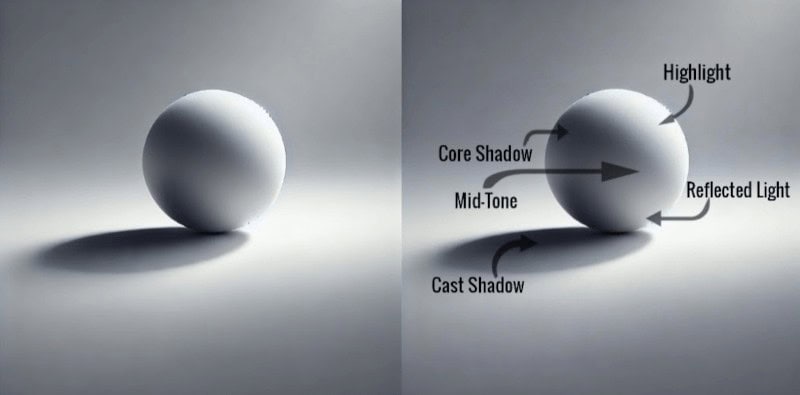
Highlight
- This is the brightest part of an object where the light hits directly.
- It sits closest to the light source and is usually small or sharply defined.
- In horror scenes, highlights can emphasise dramatic features like glinting eyes or a reflective surface – perfect for enhancing your shadow techniques in drawing.
Core Shadow
- This is the darkest part of an object’s shadow, where the light doesn’t reach.
- It’s located on the object itself, often opposite the light source.
- The core shadows define form and are a vital part of shadow techniques in drawing that bring depth to your artwork.
Cast Shadow
- This is the shadow the object throws onto a surface by blocking the light.
- It stretches away from the light source and changes depending on the object’s shape and where it lands.
- In horror art, cast shadows can add suspense by hinting at unseen figures or creepy movement.
Reflected Light
- Light that bounces off nearby surfaces and softens the shadowed areas.
- It’s usually subtle and appears near the edge of the core shadow.
- For example, in a haunted room, light might bounce off the floor to slightly illuminate the underside of an object – an advanced shadow technique in drawing that adds realism and tension.
Mid-Tone
- Mid-tones transition between highlights and core shadows, creating a smooth gradient.
- These areas strike a balance – not fully lit, nor fully shadowed.
- In horror art, mid-tones are crucial for adding subtle depth to eerie lighting. For example, they can give a ghostly figure a soft, almost ethereal glow before fading into shadows.
2. How to shade a sphere: a step-by-step guide
To create realistic shading, it’s important to understand how light interacts with objects. This guide walks you through shading a sphere, from highlights to shadows, ensuring your artwork has depth and realism.
Materials Needed:
- Graphite pencils: HB, 2B, 3B, 4B, and 6B (use HB for outlining, 2B for midtones, 3B and 4B for core shadow, and 6B for the cast shadow and darkest parts of the core shadow).
- Eraser: A standard or precision eraser (great for lifting highlights or cleaning edges).
- Blending Tool: A blending stump, tissue, cotton bud, or your finger (use gently to smooth transitions – always blend from light to dark).
- Drawing paper: Smooth or lightly textured sketching paper (like cartridge paper or Bristol board).
- Pencil sharpener: To keep your pencils nice and precise.
- Optional:
Ruler or circle template for the sphere outline.
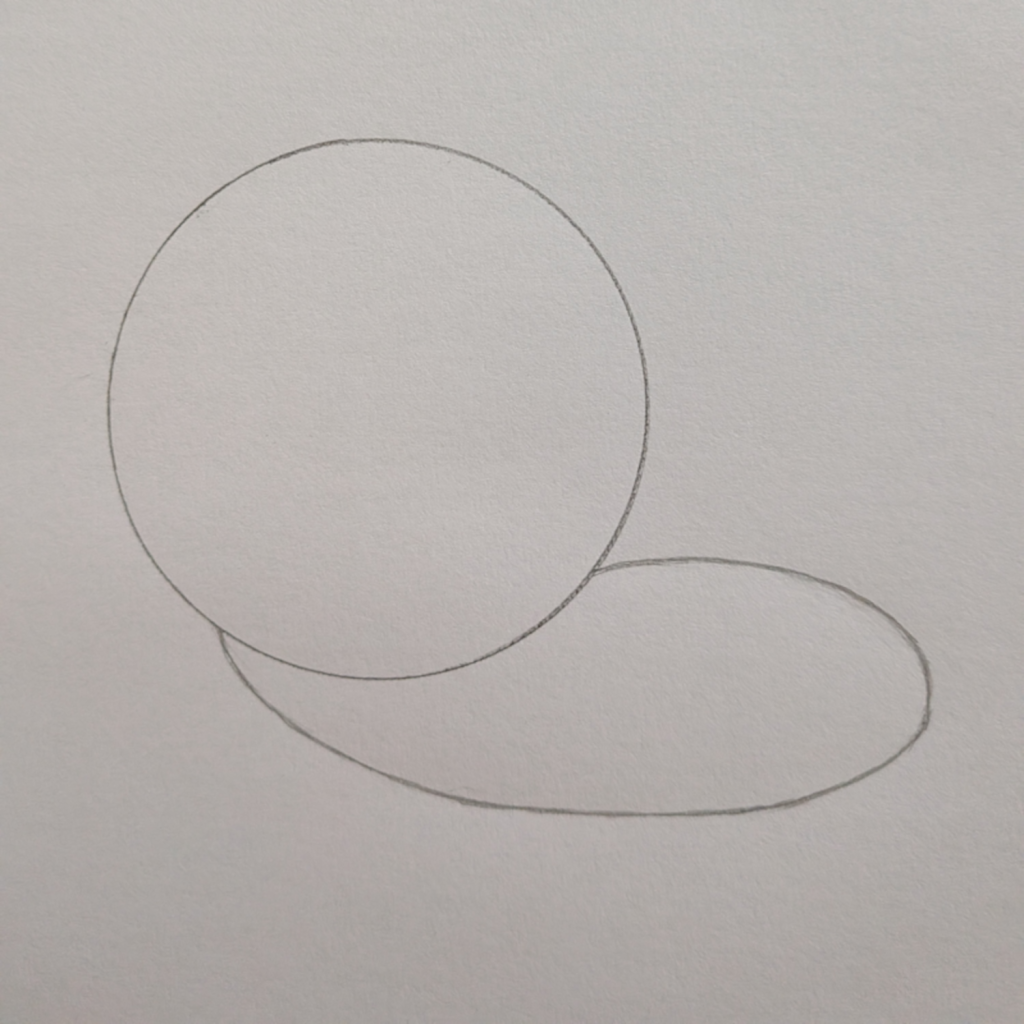
Step 1: Sketching the outline
Begin by lightly sketching a circle using an HB pencil to establish the shape of the sphere. Keep your strokes light and soft so it’s easy to erase or adjust later on. Next, determine the direction of the light source and sketch the cast shadow accordingly. The shadow should follow the sphere’s curvature and extend away from the light source. Keep these initial lines light, as they will serve as a guide for shading later.
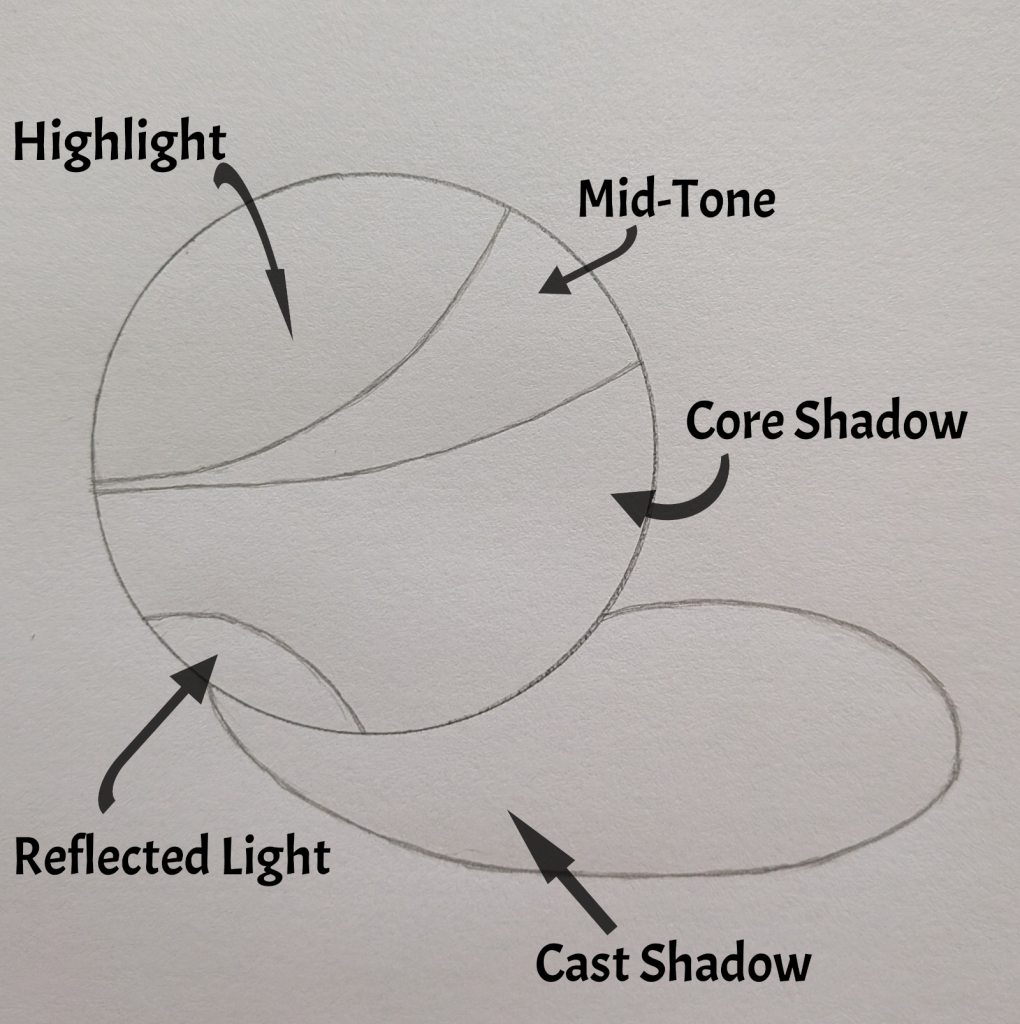
Step 2: mapping out shadows and highlights
Lightly sketch guideline divisions on the sphere to separate different areas of shading. These include the highlight, mid-tone, core shadow, reflected light, and cast shadow. These divisions will help guide your shading process, ensuring a smooth and realistic transition between light and dark. Use a soft touch with your pencil so you can refine these areas as you shade.
Step 3: Building up mid-tones
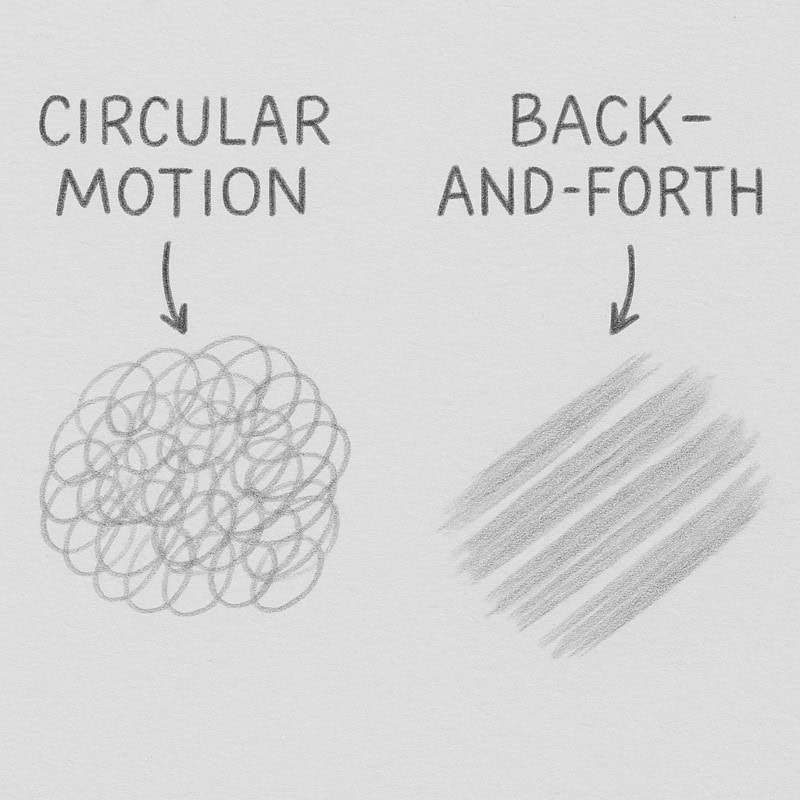
Begin shading the mid-tone area using light, even strokes with a 2B pencil. This area transitions between the highlight and the core shadow, helping to create a smooth, realistic gradient. Use a circular motion or soft back-and-forth strokes, gradually layering the graphite to avoid harsh lines.
This part is all about control – don’t rush it like a ghost on a caffeine binge (tempting, I know). Mastering this technique adds smooth transitions and helps your spooky shapes take form with realism.
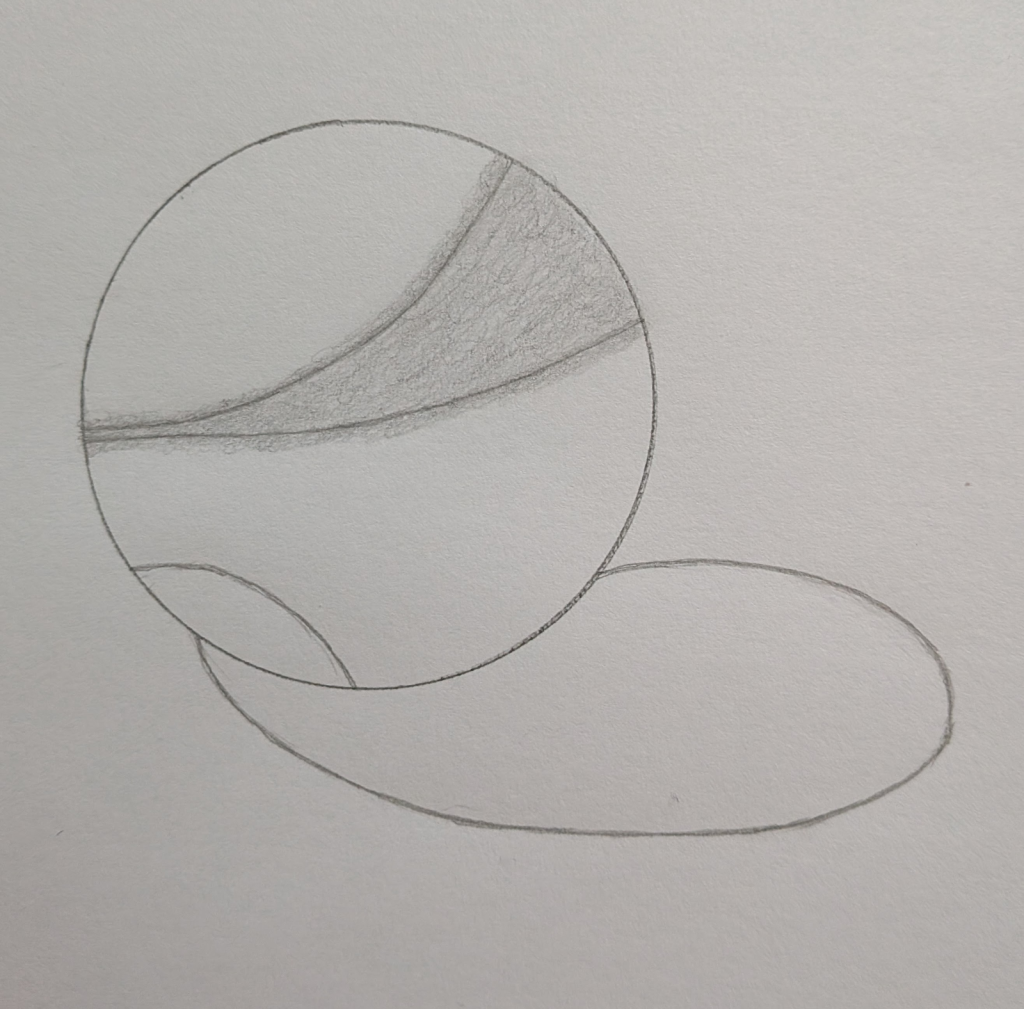
Step 4: Adding the core shadow
Next, darken the core shadow area – the darkest part on the object itself, where the light cannot reach. This area typically appears opposite the light source.
Use a softer pencil (like 3B, 4B – or even a 6B if you’re feeling dramatic) to gradually build up the darkness, deepening the values without pressing too hard. This step helps define form and is essential for creating realistic depth.
The darkest point should be just above the reflected light area (but not touching the very edge). This creates the illusion of light being completely blocked and adds an extra sense of roundness to your sphere.
Keep your transitions smooth – use circular motions and blend gently into the mid-tone area without creating harsh lines.
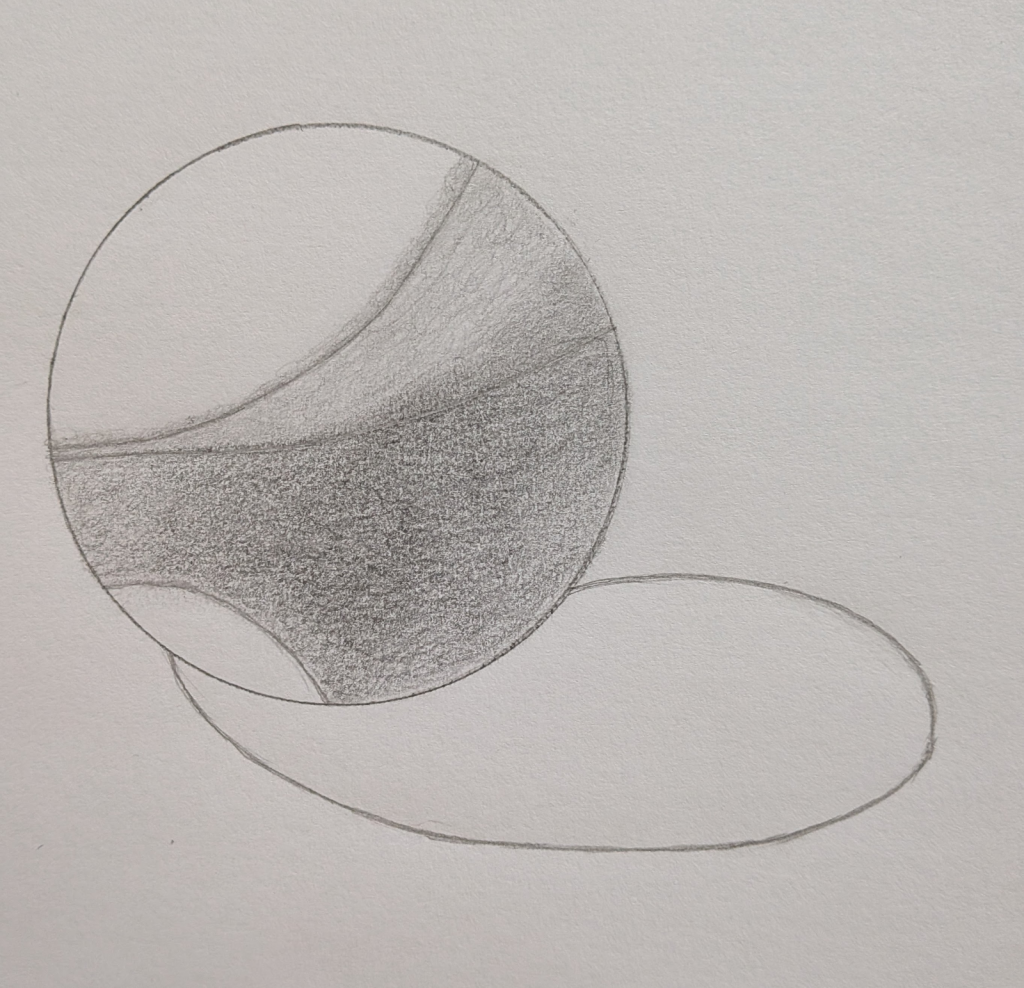
Step 5: Defining the cast shadow
With a 6B pencil, shade the cast shadow where the object blocks the light and projects a shadow onto the surface it rests on. The cast shadow usually appears darkest near the base of the object and gradually fades as it moves away from the light source. This element plays an important role in anchoring the object to its environment and enhancing realism.
If it’s not perfectly oval or crisp, don’t worry – cast shadows often shift slightly depending on the shape of your object and the light angle.
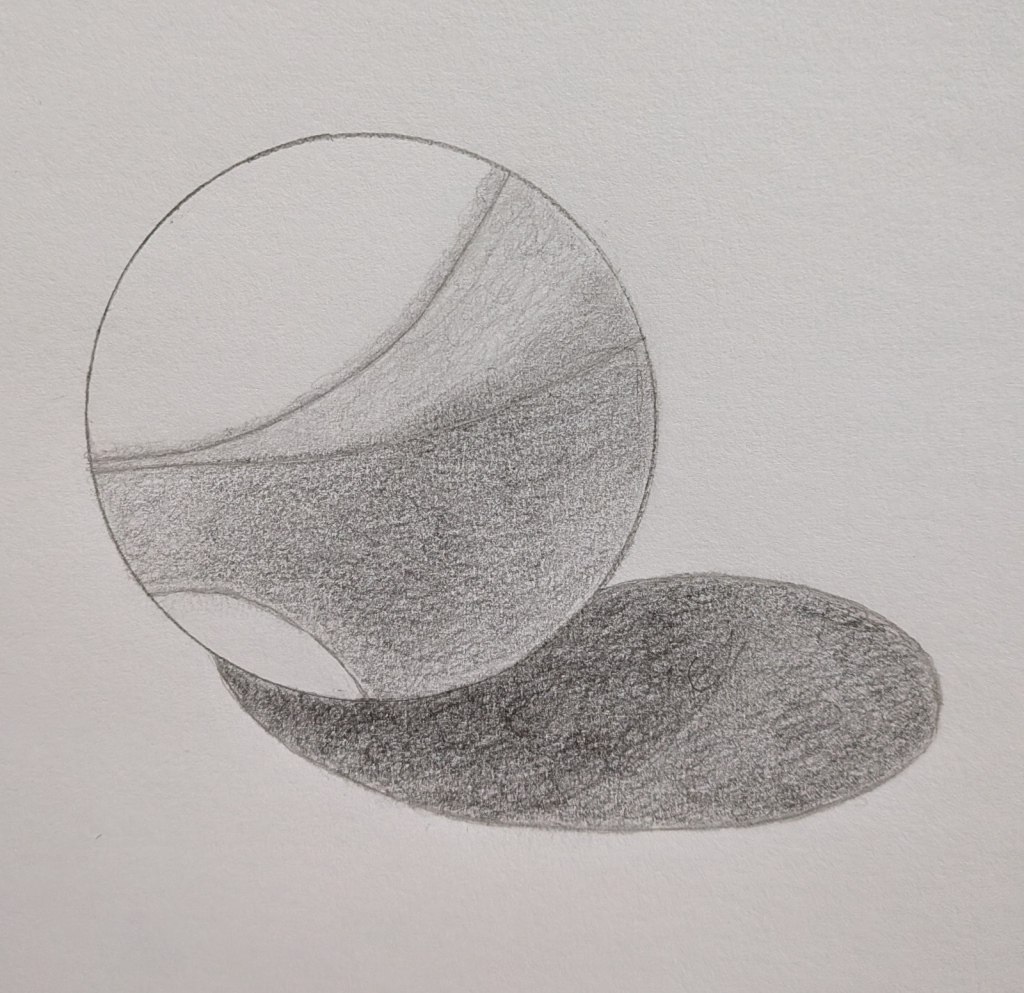
Shading Tip:
Don’t Fear the Muddy Phase. If your shading looks a bit patchy, rough, or “muddy” at this stage – don’t panic! That’s completely normal. As you layer and blend, the tones will smooth out, and the values will become richer.
Think of it like that eerie fog in a horror movie – the details will emerge soon, but first, everything looks a bit haunted. Just keep building slowly, and you’ll be surprised how polished it looks in the final steps.
Step 6: Blending and refining
Use a blending stump, soft tissue, or your finger to blend the shaded areas gently. Start from the lighter areas and blend into the darker sections – this keeps the highlight clean and prevents over-smudging the lighter values. Blending helps create smooth transitions and is a vital part of refining your shadow techniques in drawing, ensuring that the tones appear natural and gradual.
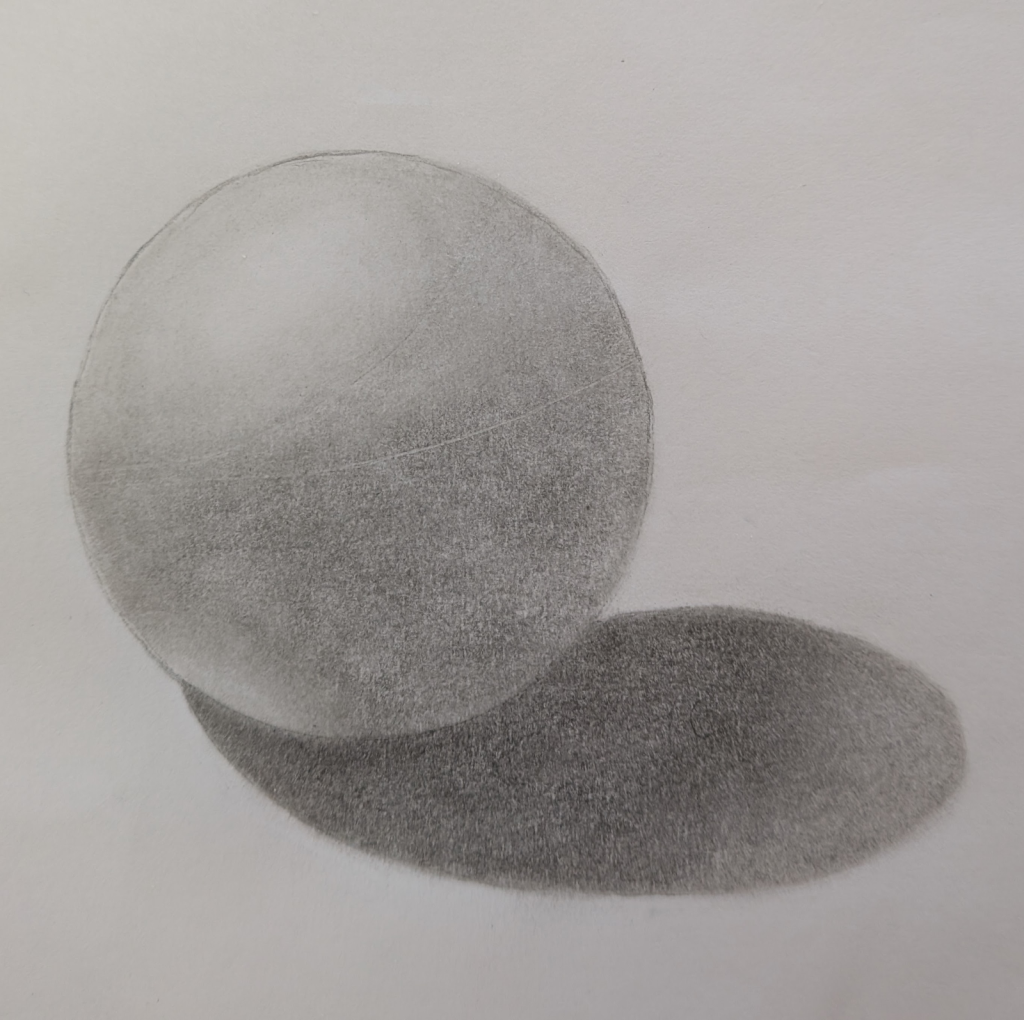
Step 7: Final touches
Step back and assess your drawing. Deepen any shadows as necessary and use an eraser to refine the edges or sharpen the highlights. These adjustments help improve contrast and overall form.
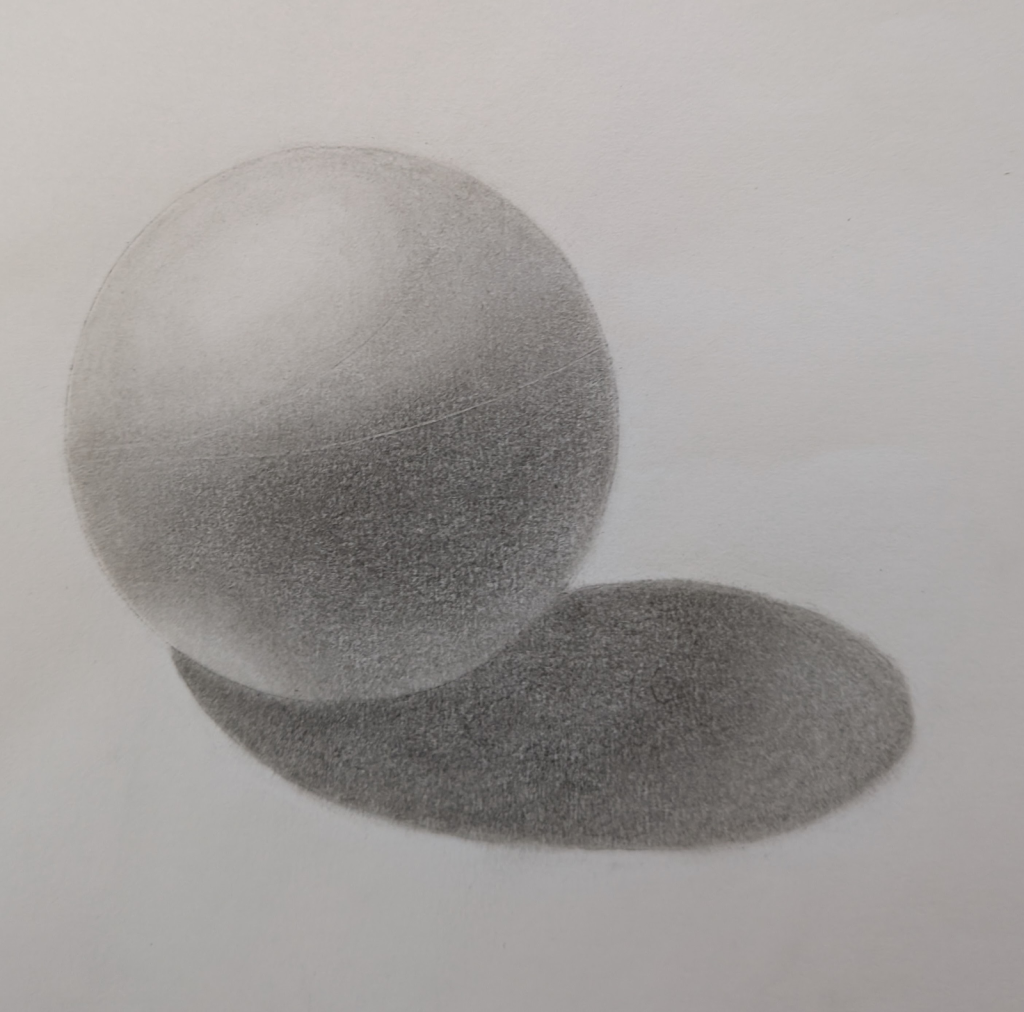
Final Tip: Now’s your moment to go full spooky – darken the core shadow just above the reflected light if needed. This extra punch of contrast gives your eerie orb more depth and drama.
3. Effective shadow techniques for drawing
Soft vs. hard shadows
Understanding how to use soft and hard shadows is a key part of developing effective shadow techniques in drawing. Each type of shadow creates a different visual effect and can dramatically improve depth, realism, and atmosphere in your artwork.
Soft Shadows
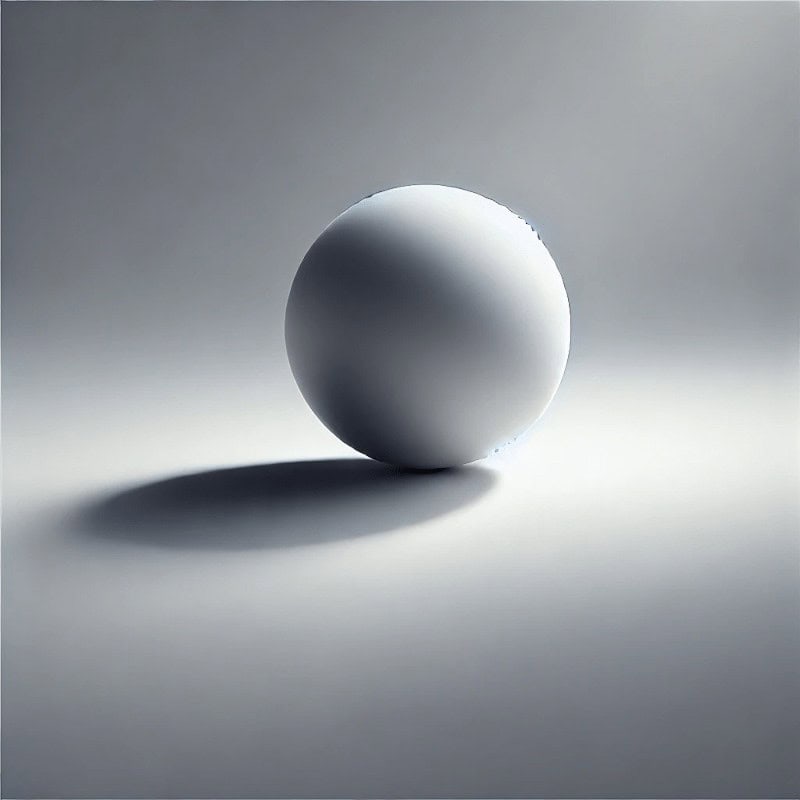
- What They Are:
Soft shadows have gradual transitions from light to dark. They appear blurry, diffused, and less defined at the edges. - How to Use Them:
Soft shadows are ideal for creating smooth gradients, atmospheric lighting, or portraying soft light sources such as moonlight or foggy environments. - Application in Horror Art:
These shadows work well for creating ghostly or ethereal figures and can suggest subtle lighting effects, like moonlight filtering through mist or soft shadows in a foggy room. They help build an eerie, dreamlike atmosphere. - How to Create:
- Lightly layer graphite using an HB or 2B pencil.
- Blend using a stump, tissue, or cotton swab for a smooth gradient.
- Build the tones gradually for better control and realism.
Hard Shadows
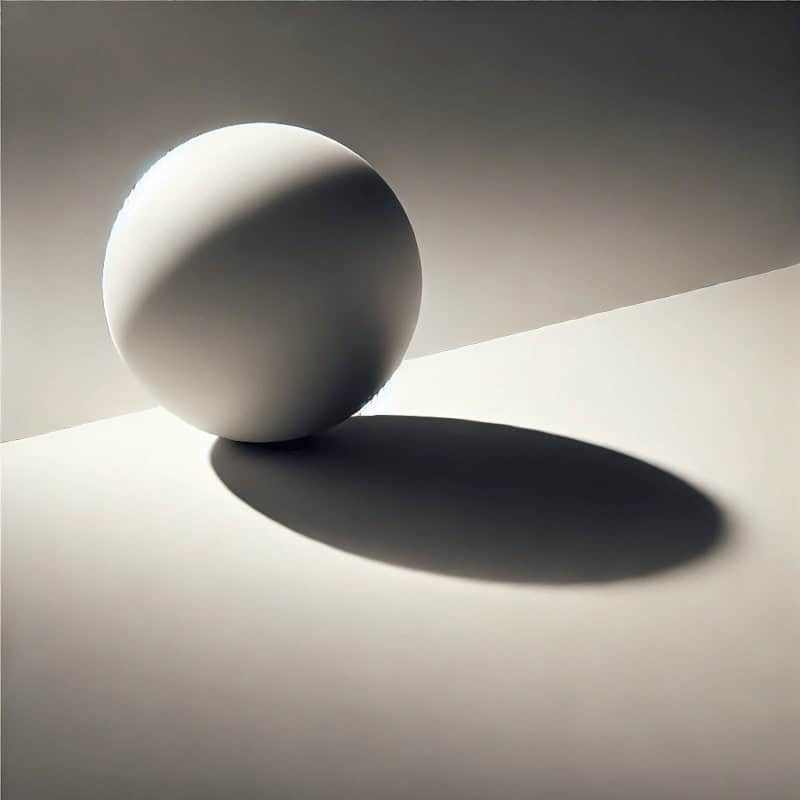
- What They Are:
Hard shadows have sharp, well-defined edges with a quick transition from light to dark. - How to Use Them:
They are best for high-contrast scenes or when using strong light sources like a spotlight or direct sunlight. - Application in Horror Art:
Hard shadows add drama and intensity. They can be used to create sharp silhouettes or emphasise harsh details like jagged shapes, weapons, or threatening forms. - How to Create:
- Use a sharp pencil (4B or 6B) to apply dark, bold shading.
- Lightly outline the shadow shape before shading it evenly without blending.
- Keep the edges crisp to maintain the definition of the shadow.
Pro Tip: Use soft shadows to build tension subtly, then punch viewers in the fear glands with a hard shadow when they least expect it.
4. Blending techniques for smooth transitions
Blending is an essential part of creating realistic shadows and soft gradients. It helps smooth out transitions between light and dark areas, improving overall form and depth in your artwork.
Here are common tools and methods:
Blending Tools
- Blending Stump:
Blending stumps are ideal for small areas or detailed shading. They offer precision and control, making it easier to blend without affecting nearby areas. Use a gentle twisting motion to smooth out your shading, which helps prevent smudging and keeps your edges clean. - Tissue:
Tissues work well for blending broad areas with smooth gradients. You can fold the tissue for more precise blending near edges or forms. This tool is particularly beneficial for background shading and creating smooth transitions in your drawings. - Cotton Swabs:
Cotton swabs are excellent for controlled blending in tight or delicate areas, such as highlights or fine details. Their small size allows for controlled application, making them useful when you want to shade specific spots without disturbing the surrounding areas. - Fingers (optional):
While fingers can be used for quick blending, it’s best to use them sparingly. Natural oils from your skin can smudge or stain the paper. If you choose to use your fingers, wash and dry them first to avoid unwanted marks.
5. Creating sharp edges for cast shadows
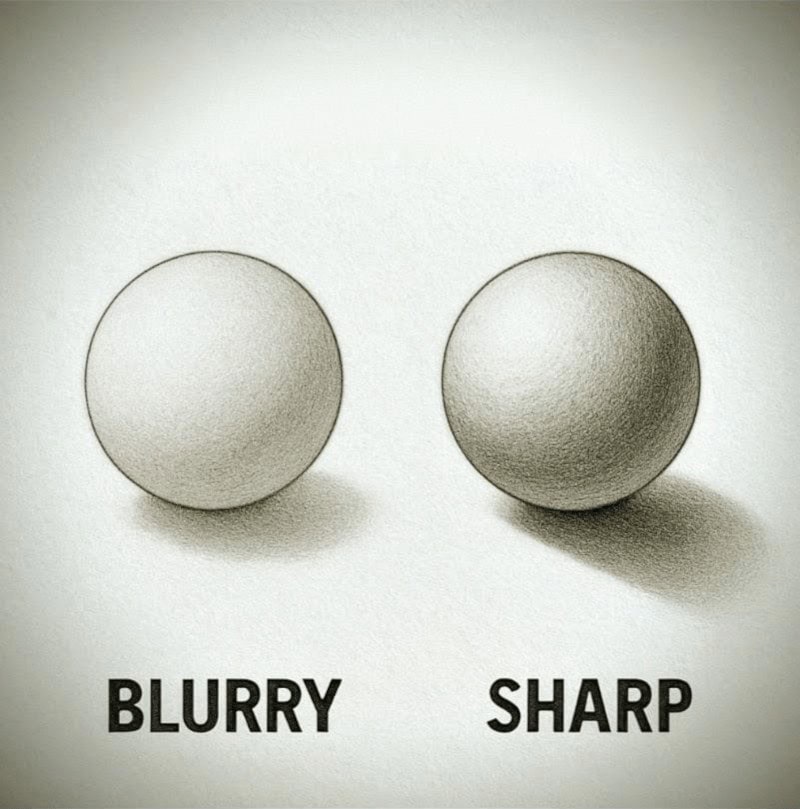
Add Depth, Contrast & Realism to Your Drawings
Cast shadows help anchor your spooky shapes to the ground and make them feel solid (and a little more menacing). They often have crisp edges – especially near the base of the object – adding contrast and a professional finish to your drawing.
Let’s break down the process of creating sharp, realistic cast shadows that work with any horror-themed artwork.
Materials You’ll Need:
- HB pencil (for outlines)
- 4B – 6B pencil (for darker shading)
- Blending stump or soft tissue
- Eraser (kneaded or precision eraser for edge cleanups)
- Drawing paper with a slight texture
Step 1: Outline the Shadow
Lightly sketch the basic shape of your shadow using an HB pencil. Observe the direction of your light source – your cast shadow should stretch away from it.
If the light is soft or angled, your shadow will curve slightly and appear longer. Keep your pencil pressure light so it’s easy to adjust the shape if needed.
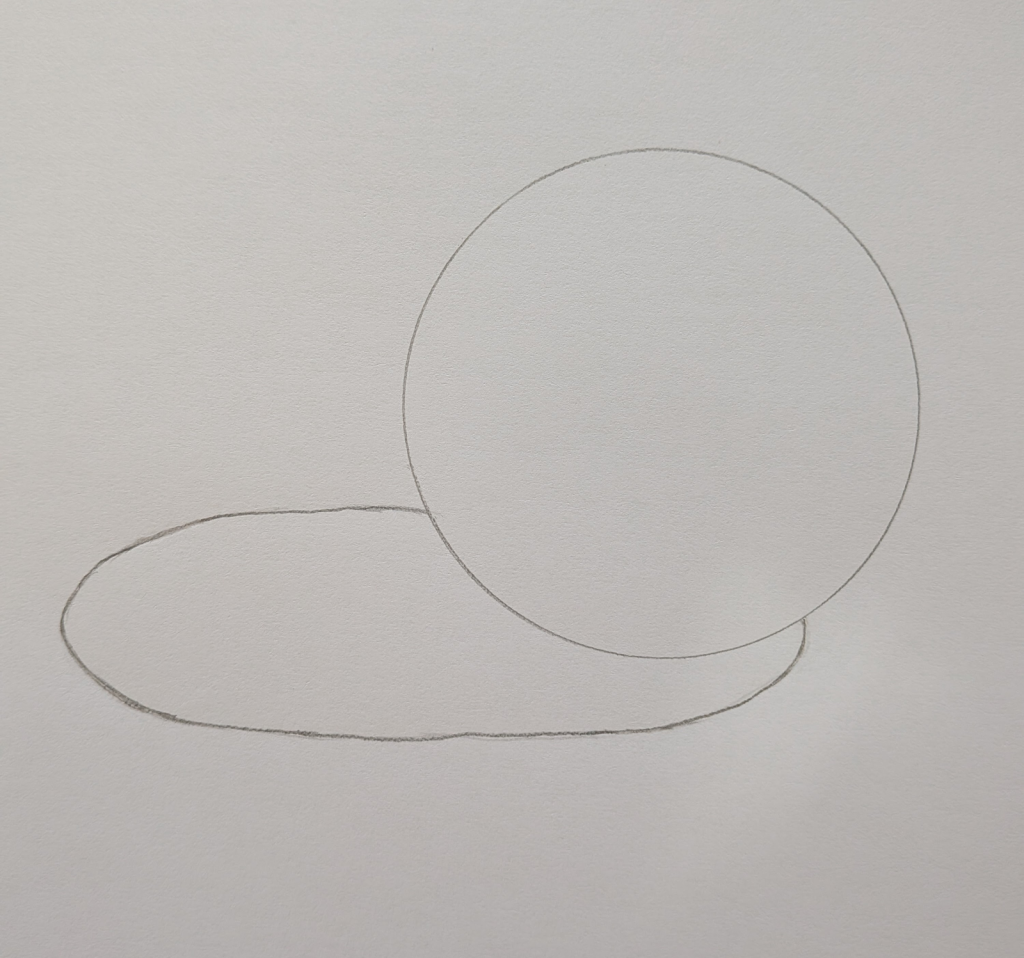
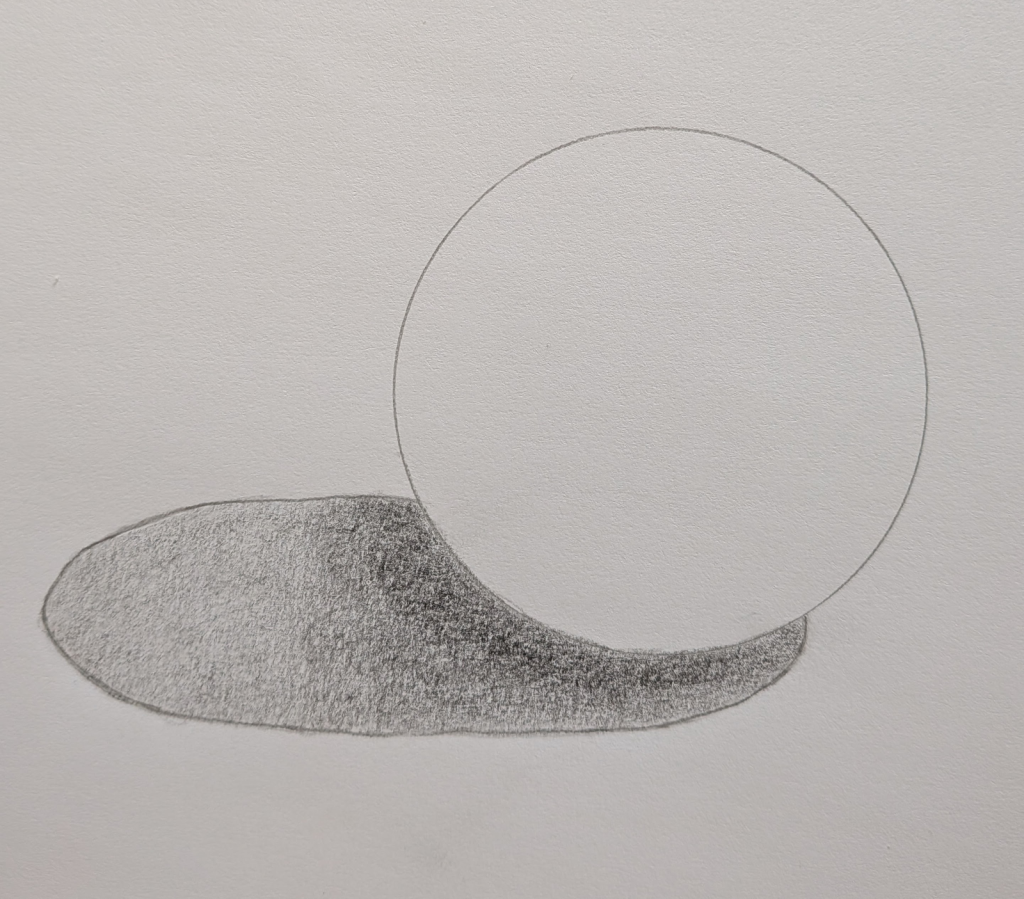
Step 2: Fill in the Shadow
Use a 4B or 6B pencil to shade the shadow area evenly. Build up the darkest part of the shadow closest to the object, and let the value gradually lighten as it stretches further away.
Pro Tip: Use short, controlled strokes or circular shading to keep the texture even. Avoid harsh lines – unless you’re planning a vampire bat’s silhouette, in which case… go wild.
Step 3: Refine the Edge
Time to sharpen things up – like a haunted scalpel on a shadowy autopsy table.
This step is all about tidying the edge of your cast shadow – before we start blending.
Use a precision eraser or kneaded eraser shaped to a point to clean up the outline of the cast shadow, especially where it touches the sphere. That line should be crisp, clean, and slightly darker at the base of the object. If it looks too thick, too wobbly, or you can still see your original sketch line underneath, now’s the time to gently erase and neaten it up.
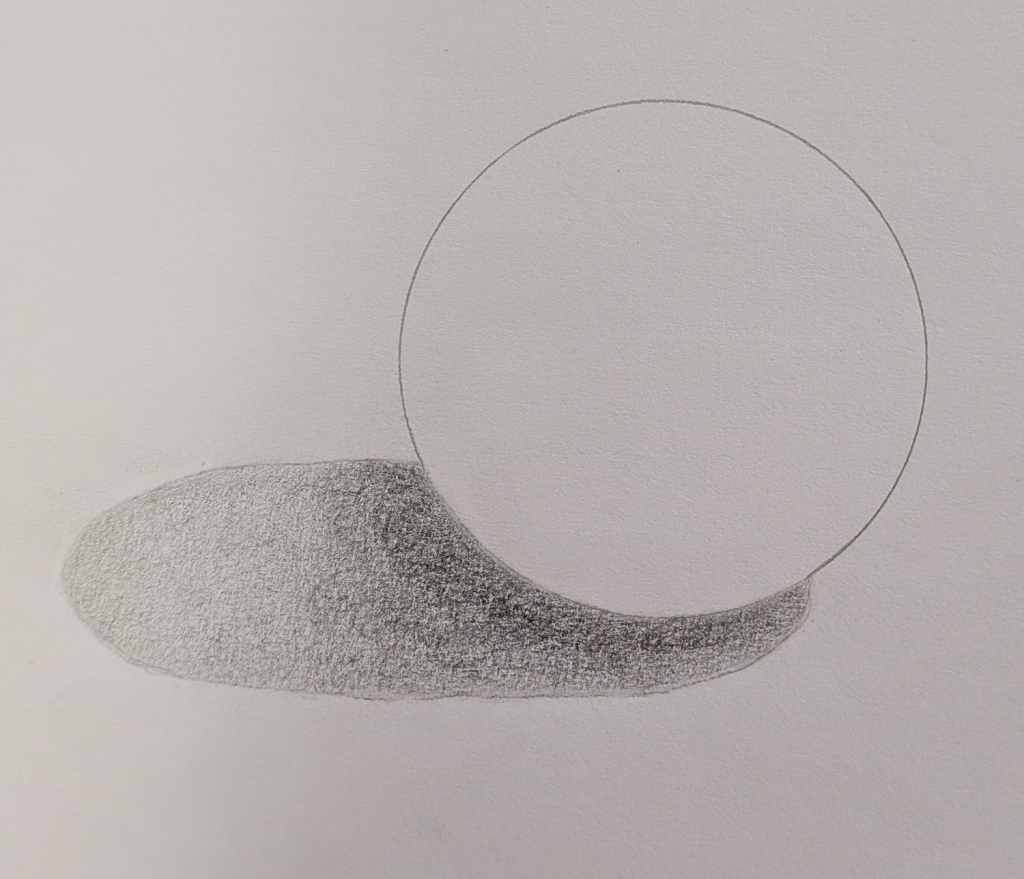
Extra Clarity (for anyone who’s feeling a bit confused – we’ve all been there.)
When we first outlined the shadow in Step 1, we used a light pencil sketch to block in the shape. After adding graphite in Step 2, that line might still be showing, or the edge might look too harsh or messy.
You’re not blending yet – you’re just refining the shape and removing any excess outlines to make the shadow look more deliberate.
Step 4: Blending for a Soft Shadow Effect
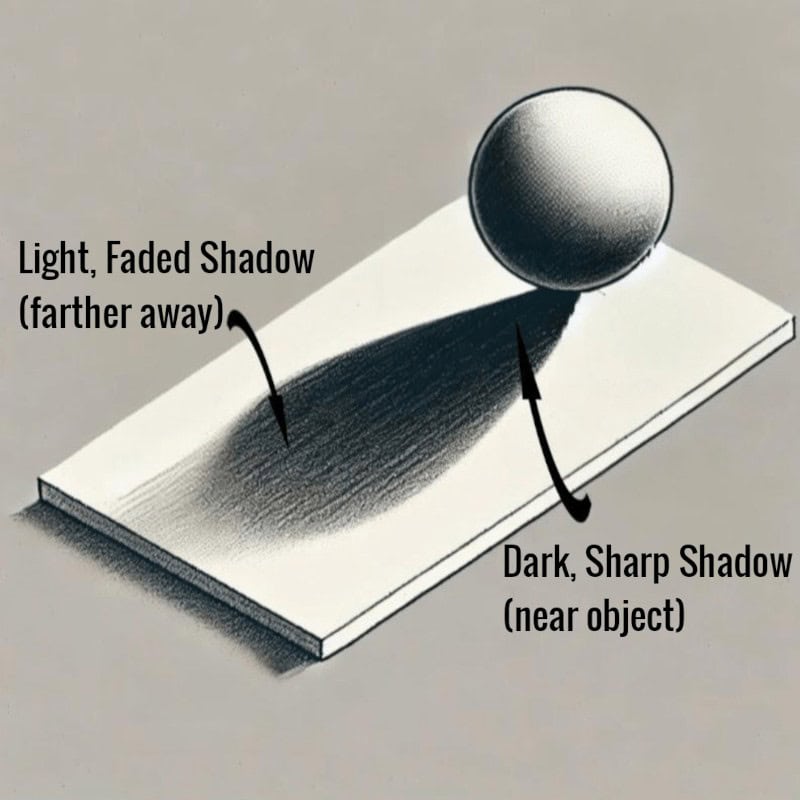
To create a smooth, diffused look on the far edge of your cast shadow, lightly blend the graphite using a blending stump, tissue, or cotton bud. This mimics how shadows soften as they stretch away from the object under softer or ambient light.
Start blending from the object outward, keeping your pressure light and using circular or feathered strokes. Be careful not to blend the edge closest to the object – you want that part to stay crisp and bold for contrast.
Tip: Don’t get too carried away and turn your shadow into a smudgy ghost puddle.
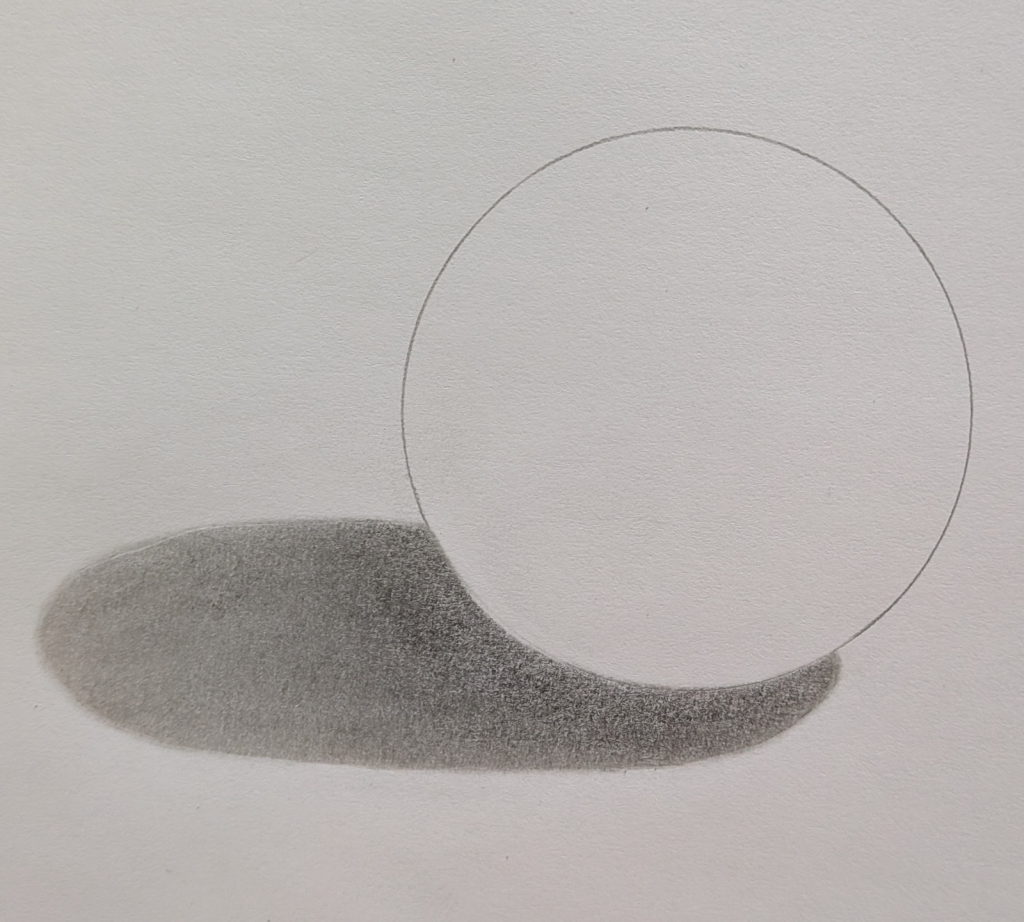
Why This Works:
- Shadows closer to the object are sharper and darker because light is being fully blocked.
- Shadows farther away soften and lighten as the light begins to scatter and lose its punch.
It’s a small detail – but it makes a huge difference to the realism and depth of your drawing.
6. Layering for depth
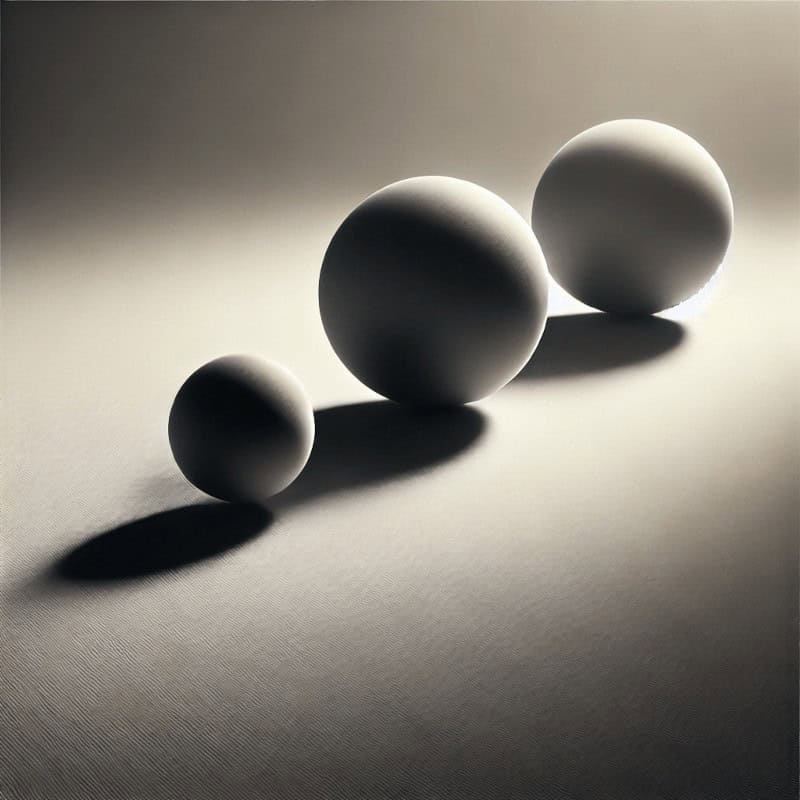
Shadows aren’t just about darkness; they’re about depth. Layering shadows with different levels of contrast adds immersive depth – like something could crawl right out of the paper and steal your snacks.
How to Create Depth Using Shadows:
- Overlap objects with contrasting shadow strengths:
- Use dark, sharp shadows for foreground elements to make them stand out.
- Apply softer, lighter shadows in the middle-ground for a smooth transition.
- Use light, minimal shading in the background to suggest subtle depth without distracting from the main subject.
How to Build Shadows with Layering:
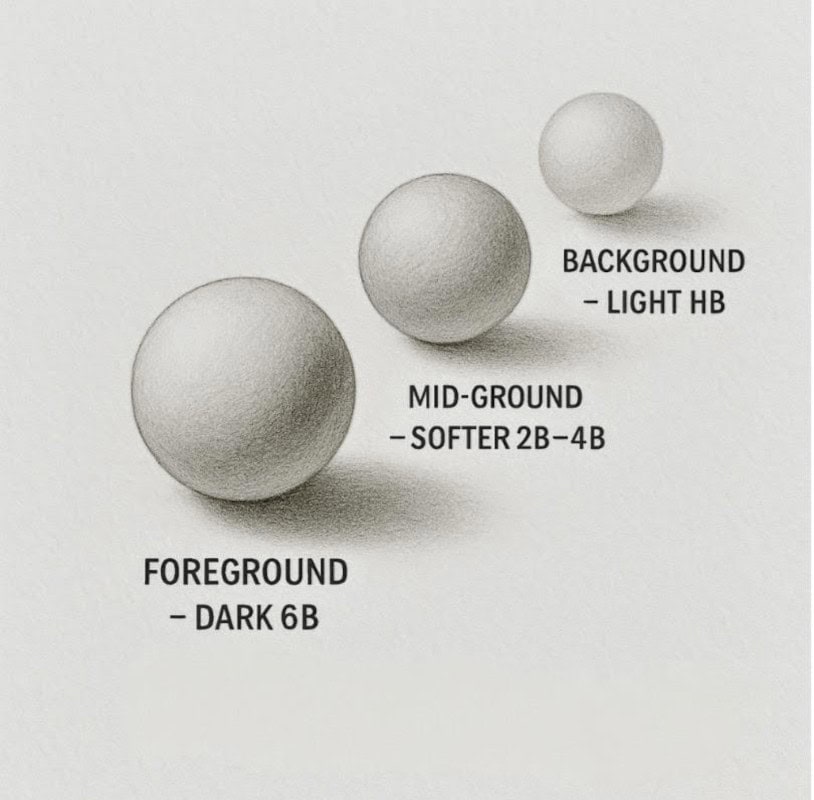
- Start with a light HB pencil to sketch your base shadows.
- Gradually build up darker tones (2B, 4B, etc.) to deepen areas as needed.
- Blend between layers to create natural, smooth transitions.
Pro Tip: Always build shadows from light to dark. This keeps your shading clean and controlled, preventing your artwork from looking like it fell into a muddy puddle.
Why This Works:
Layering shadows separates the visual planes of your drawing. Foreground shadows stay bold, mid-ground ones soften, and background shadows fade out. This instantly makes your scene feel more realistic and three-dimensional – perfect for that eerie, almost-too-real horror atmosphere.
7. Exaggerated and distorted shadows
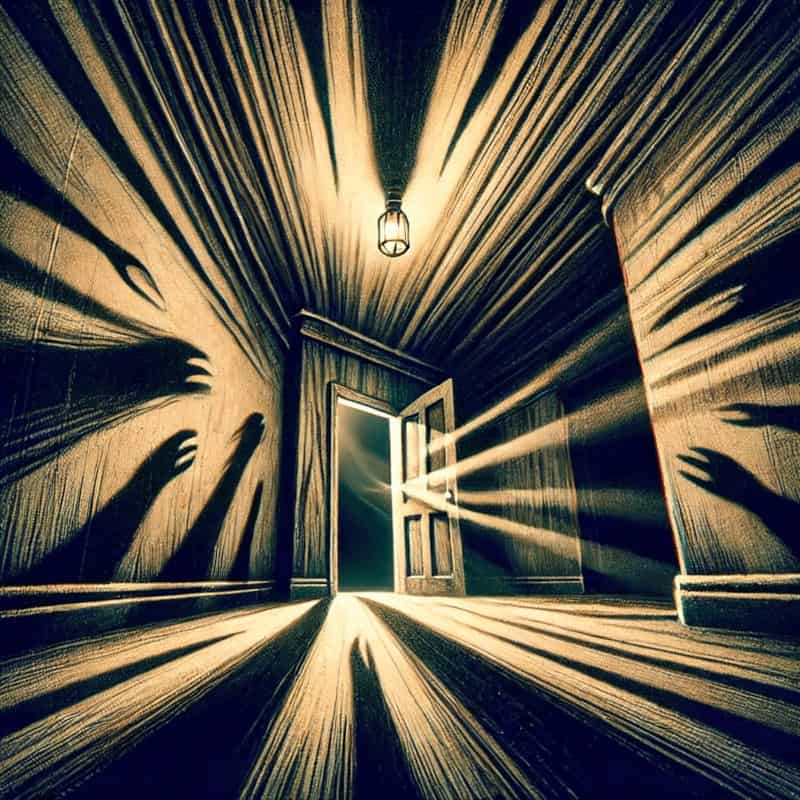
Shadows don’t always have to follow the rules of reality. In horror art, they’re basically free spirits – stretching, twisting, or creeping up the wall like they’ve got unfinished business. Give them a sense of movement or intention to heighten the unsettling effect. Make them extra unsettling by giving them exaggerated forms or unnatural movement.
By manipulating perspective and light direction, you can make shadows appear to crawl across walls, elongate unnaturally, or take on sinister shapes. This technique is perfect for haunted settings, surreal horror, and dream-like atmospheres.
Tips for creating distorted shadows in horror art:
- Use a strong directional light (like a candle, flashlight, or open doorway) to cast exaggerated shadows.
- Warp the shape to appear eerie or unnatural – elongate fingers, stretch limbs, or distort outlines.
- Let shadows move independently from the object casting them to create surreal effects.
- Use angled surfaces like walls or floors to distort the shape, making the shadow crawl unnaturally or appear closer than the subject itself.
Why This Works:
Distorted shadows can transform a simple horror scene into something surreal or nightmarish. They amplify unease and challenge the viewer’s sense of reality. Experimenting with elongation or warped forms can intensify the eerie atmosphere because sometimes, what’s lurking in the dark isn’t as terrifying as the shadow it casts.
8. Common mistakes in shadow techniques for drawing
Shadows can make or break your artwork. Done well, they add eerie realism, spine-tingling depth, and just the right amount of doom. Done poorly? They can flatten a piece, confuse the viewer, or ruin the mood entirely.
Here are the most common shadow mistakes – and how to avoid them:
Shadows Going in the Wrong Direction
Mistake:
Shadows don’t match the position of the light source, making the scene look off.
Fix:
Always make sure shadows extend away from the light. If the light is above, shadows should fall downward. If it’s coming from the left, shadows should stretch to the right.
Try lightly sketching arrows to show your light direction before shading; this makes shadow placement much easier to manage.
Shadows That Are Too Soft or Too Hard
Mistake:
Using only soft, blurry shadows or only hard-edged shadows makes the image look unnatural.
Fix:
Use hard shadows for strong, direct light sources (like a spotlight or harsh sunlight) and soft shadows for diffused light (like an overcast sky). Using a mix of both soft and hard shadows adds depth and realism to your drawing.
Shadows That Don’t Match the Object’s Shape
Mistake:
Shadows don’t follow the contours of the object, making them look disconnected.
Fix:
Match the distortion of the object. Rounded forms cast curved shadows, while angular objects tend to produce sharper, more defined shadows. Visualise how the shadow wraps around the surface it’s landing on.
Shadows That Are Too Light or Too Dark
Mistake:
Shadows that are too faint or completely black break the illusion of depth.
Fix:
Aim for balance – shadows are rarely pure black. They often pick up subtle tones from the environment. Try adding a hint of dark blue, purple, or warm brown to make the shadow feel more natural and grounded.
Floating Objects (No Contact Shadows)
Mistake:
Objects can appear to float if there’s no shadow connecting them to the surface.
Fix:
Always include a contact shadow directly beneath the object. This small, dark shape anchors it to the surface and helps it feel solid and believable.
Overcomplicating Shadow Details
Mistake:
Adding too much detail to a shadow makes it feel cluttered or unrealistic.
Fix:
Keep shadows simple and consistent. A touch of reflected light is fine, but the main body of the shadow should stay simple – either solid or smoothly blended.
Shadows That Don’t Fade Properly
Mistake:
Shadows that stay the same tone from start to finish can feel flat or unnatural.
Fix:
Let shadows gradually lighten as they extend from the object. A soft fade helps the shadow blend more naturally into the object and the environment.
Final thoughts
Mastering shadows is one of the most powerful ways to add mood, realism, and depth to your horror art. Whether you’re conjuring up a subtly eerie piece or going full nightmare fuel, strong shadow work lays the foundation. So keep sketching, keep observing, and don’t be afraid to experiment – because the best horror often lurks in the tiniest details… and the darkest corners.
Next up: Advanced lighting techniques for horror artwork
You’ve conquered shadows – now it’s time to level up your lighting game and add that extra dose of eerie intensity to your horror artwork.
Continue to Advanced Lighting Techniques for Horror Artwork