Layering Pencil Shading for Smooth Gradients (and Creepy Realism)
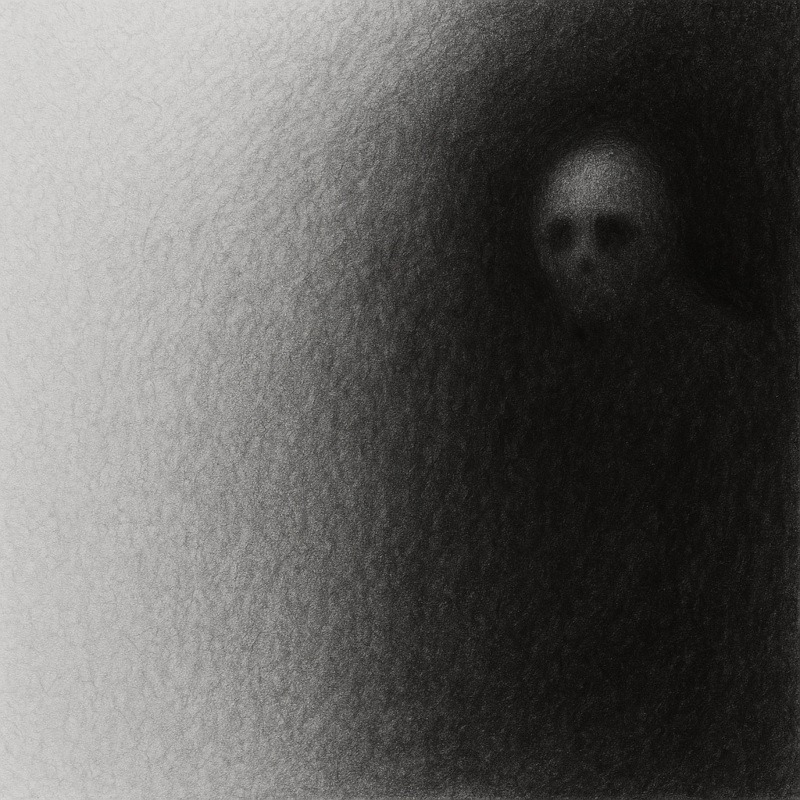
Layering is like the secret ingredient in horror art; it turns flat sketches into eerie, three-dimensional nightmares. Instead of pressing your pencil into the page like you’re trying to summon the darkness personally, layering teaches you patience, control, and how to build depth using pencil shading layers, one ghostly stroke at a time.
Think of it as fog rolling across your drawing. You don’t throw all the mist down at once; you let it gather slowly, adding more until the atmosphere feels thick enough to hide something… unsettling.
1. Start Light – Seriously, Light
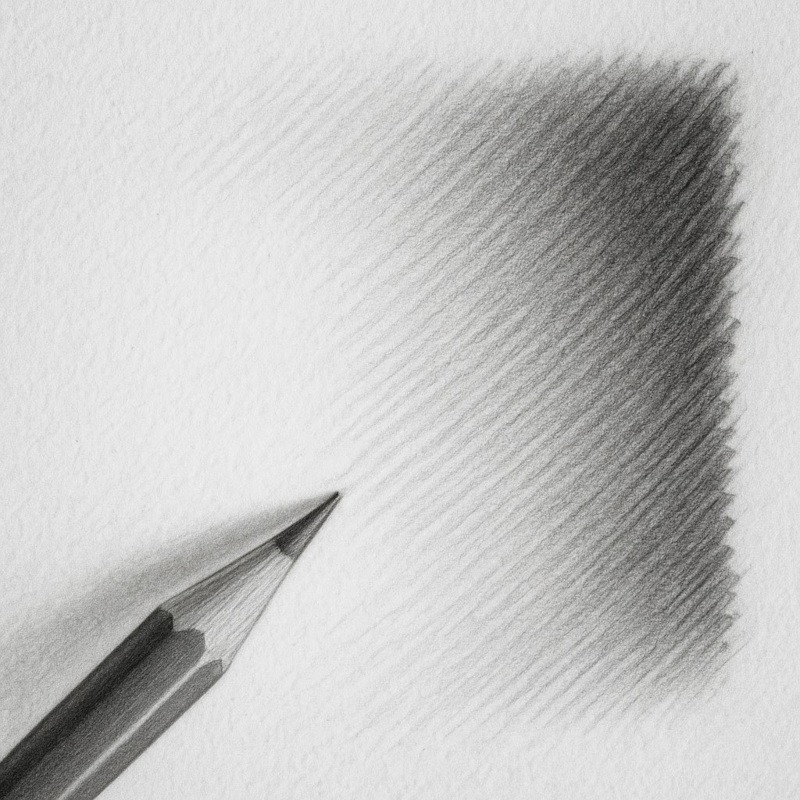
Your first layer should always be a whisper, not a scream. Use a harder pencil, like an H or 2H, to sketch a soft base. These early tones act as the underpainting for your shading; a foundation for darker passes later.
Keep your strokes consistent and even, following the form of what you’re shading. For example, if you’re working on a face, your pencil should move along the curves of the cheek, not straight across it. That way, your tones follow the shape instead of fighting it.
2. Build Gradually in Layers
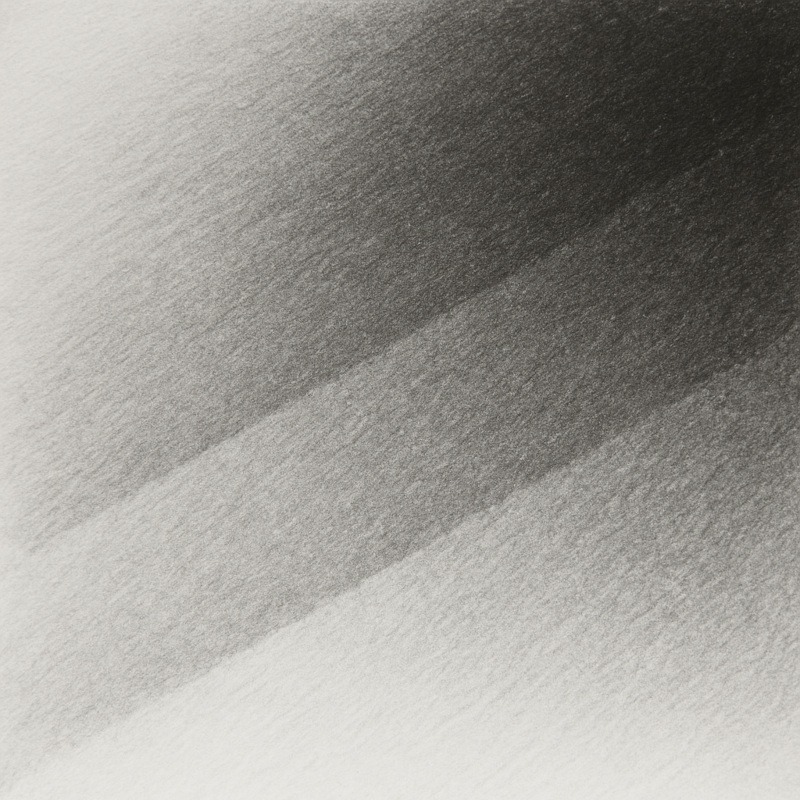
Once that light base is down, it’s time to slowly build up on the intensity.
Move to a slightly softer pencil (like HB or 2B) and go over your earlier shading using gentle, overlapping strokes. Don’t rush it; this stage is all about patience and control.
Every new layer darkens your tones, fills gaps between graphite grains, and smooths transitions. If you jump to a soft 6B too early, you’ll lose that natural gradient and end up with “graphite bruises” – those unintentional blotches that haunt beginners.
Pro tip: Pretend you’re applying makeup to a vampire. You want that flawless pale-to-shadow blend, not patchy zombie contour.
3. Blend (But Don’t Overdo It)
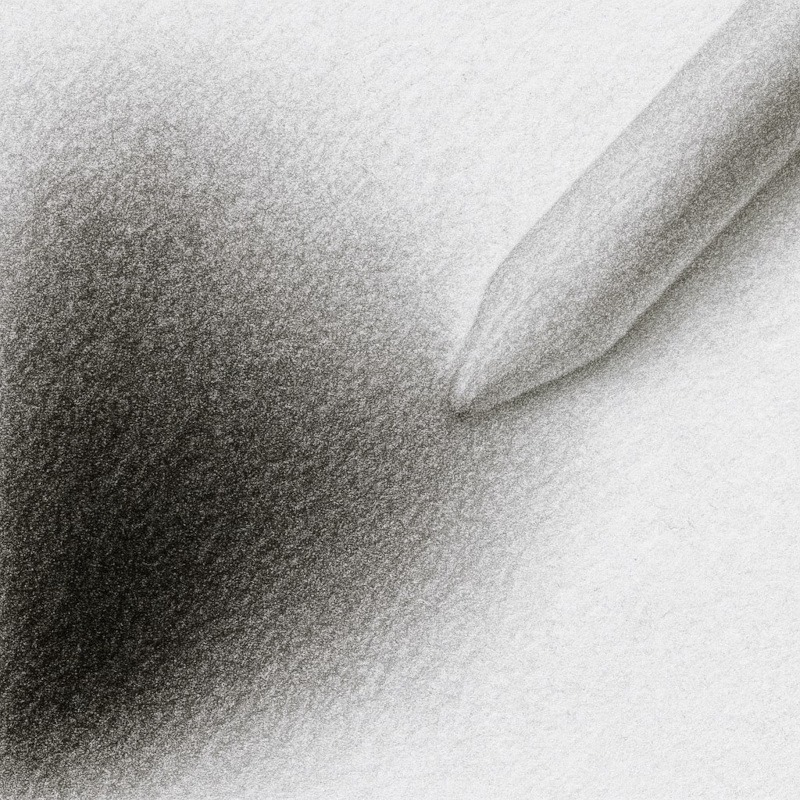
After a few layers, you can gently blend with a tissue, blending stump, or brush. The key is to soften, not smear.
Use gentle circular motions, stopping before the surface becomes too smooth. – You still want texture for realism. Think “soft skin” or “misty atmosphere,” not “wax sculpture lost in a sauna.”
Once blended, you can add more layers on top to deepen contrast and regain lost texture. Layering and blending go hand-in-hand like bats and midnight.
Wipe your blending stump or brush between passes; leftover graphite can turn your next layer into accidental fog instead of intentional atmosphere.
4. Paper Texture Matters
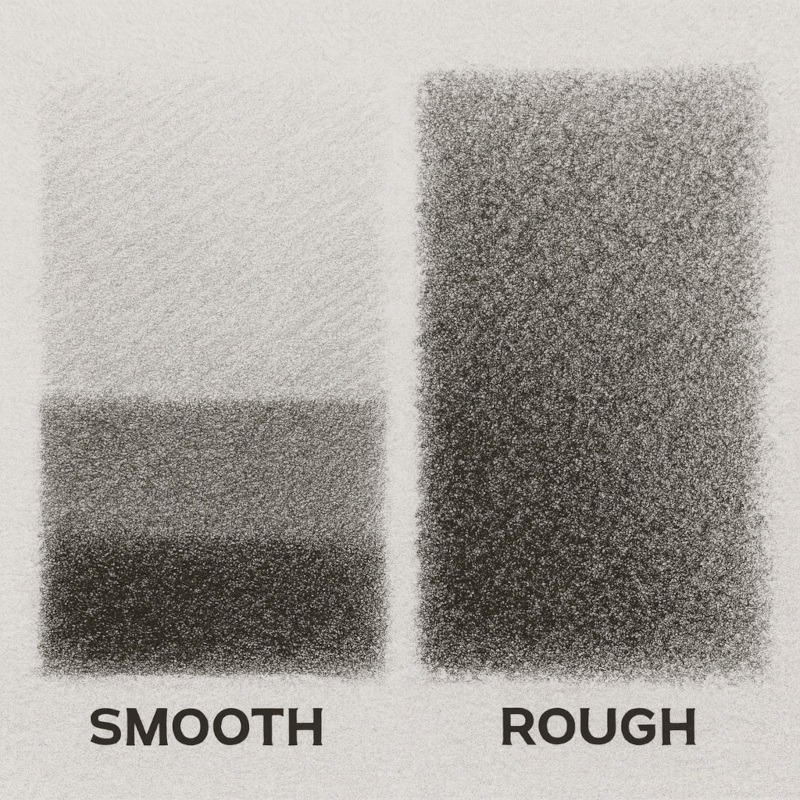
The texture (or “tooth”) of your paper can make or break your layering.
- Smooth paper (like Bristol) gives you cleaner gradients and softer blends.
- Rougher paper grabs the graphite, creating grittier, moodier effects, perfect for aged skin, cracked walls, or foggy graveyards.
If you’re new to layering, try both types and see which feels easier to control. Sometimes the creepier texture comes from the paper itself.
5. Common Mistakes and Quick Fixes
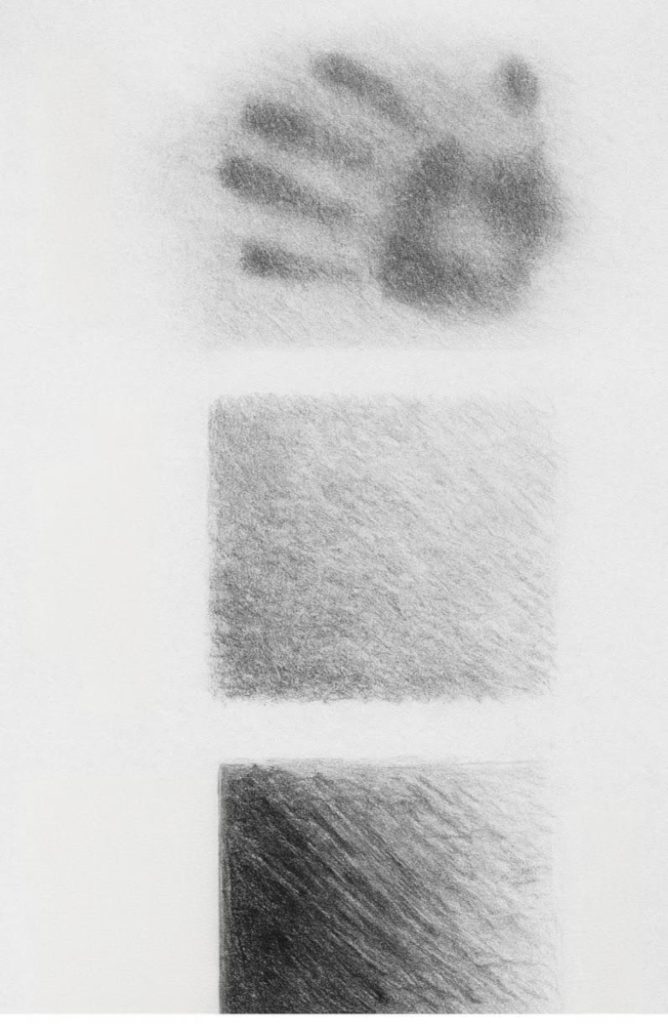
- Pressing too hard too soon: Start lighter and build up layers gradually.
- Patchy transitions – Work in small circular motions and overlap your strokes.
- Over-blending: Leave a bit of tooth visible for natural texture. If your drawing looks like it’s been through a car wash, you’ve gone too far.
- Uneven tones – Rotate your paper or hand position occasionally for a fresh angle.
- Smudging: Use a scrap sheet of paper under your drawing hand to prevent fingerprints from haunting your artwork.
Remember: Overworked shading looks tired. Let your graphite breathe; undead things still need air.
6. Apply It to Creepy Textures
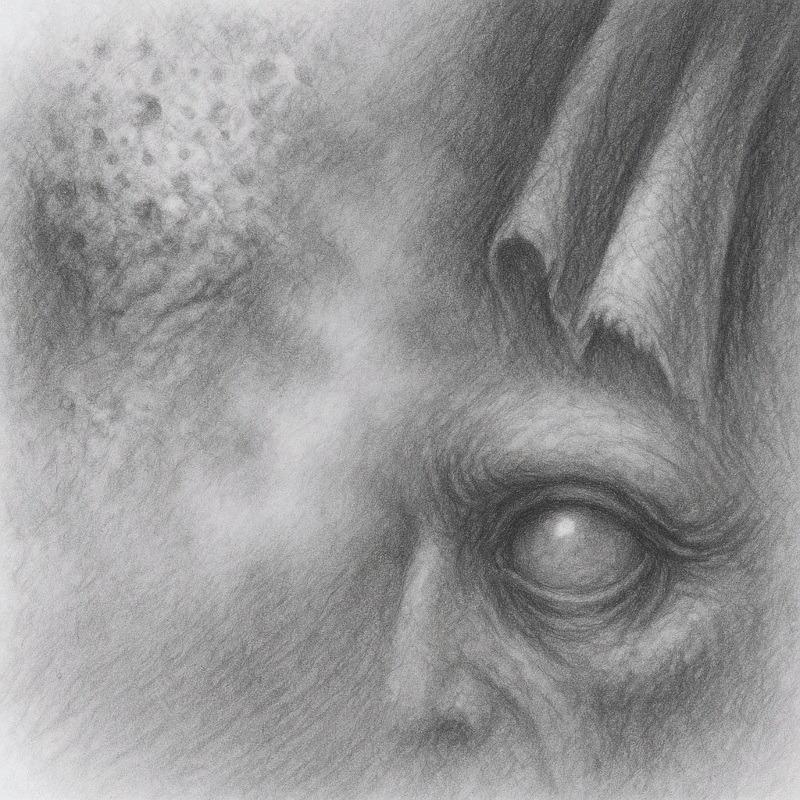
Once you’re comfortable with layering, test it on horror elements:
- Build a gradual tone on rotting skin, fog, or fabric folds.
- Use multiple layers for glassy undead eyes, light underlayers first, dark accents last.
- Try blending textures, like smooth bone against rough decay.
This isn’t just about practice, it’s about creating atmosphere. Layering is what gives your horror art that eerie realism that feels wrong in all the right ways.
For practice, try layering on rotting skin using the techniques from Mastering Pencil Pressure & Grades for Creepy Drawings to get that fleshy depth.
Practice Exercise
Before you dive into haunted portraits, warm up with this simple layering drill. Think of it as horror-art-weightlifting – you’re training your hand for patience, precision, and ghost-level smoothness.
Recommended Tools:
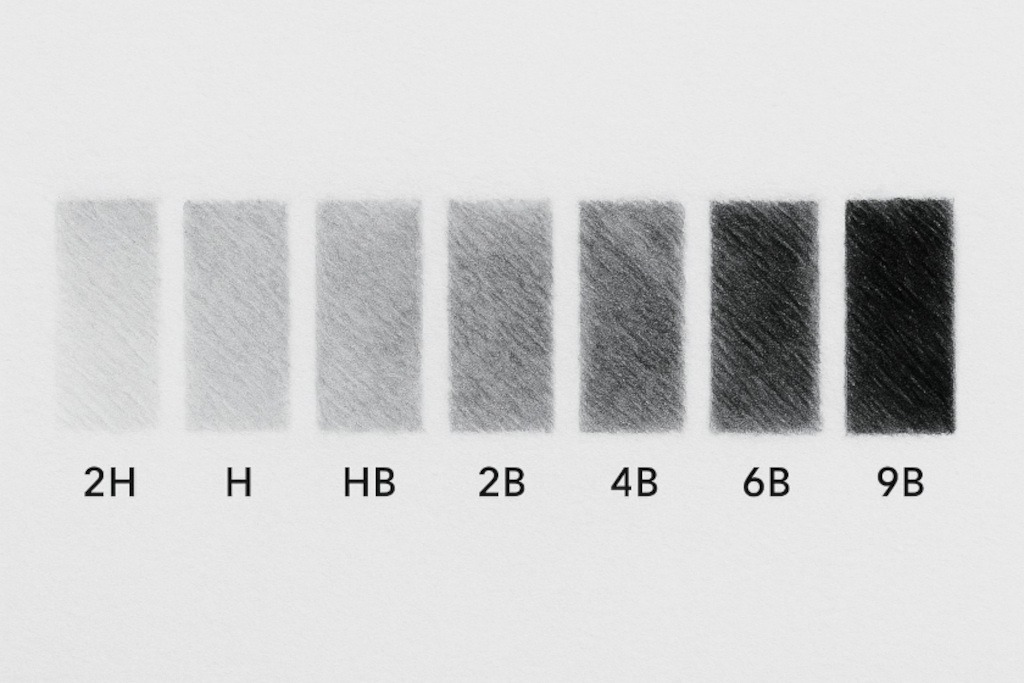
- Pencils: H, 2H, HB, 2B, 4B, 6B, and 9B – these cover everything from whisper-light tones to shadowy depths.
- Blending tools: Tissue, blending stump, or a soft brush for gentle smoothing.
- Paper: Medium-grain sketch paper or smooth Bristol paper for the cleanest gradients.
- Eraser: Kneaded eraser for soft lift-offs and subtle highlights.
Try this little experiment:
- Draw seven squares.
- In each one, build your gradient from light to dark using multiple layers.
- The goal isn’t to finish fast; it’s to create the smoothest possible transition.
Compare the first and last boxes when you’re done. If you see improvement, congratulations, your shading just evolved from “haunted scribble” to “cinematic gloom.”
Final Thoughts
Layering isn’t about perfection; it’s about rhythm, patience, and control. Every pass of your pencil adds a new depth, a new shadow, and a new whisper of atmosphere. The more layers you build, the more your horror art starts to feel alive (or, you know… undead).
Take your time, embrace the slow creep of tone, and before you know it, you’ll be crafting gradients that look smoother than a vampire in silk pyjamas.
What You Learned
- Layering is the secret to eerie realism; it builds depth one ghostly stroke at a time.
- Start light and take your time; darkness is best summoned slowly.
- Use multiple pencil grades to build smooth gradients and a creepy atmosphere.
- Blend gently, think misty fog, not melted wax museum exhibits.
- Paper texture matters: smooth for subtle shadows, rough for gritty decay.
Related Posts
Want to keep your pencils moving? Here are a few more tutorials that’ll help you sharpen your eerie drawing skills: